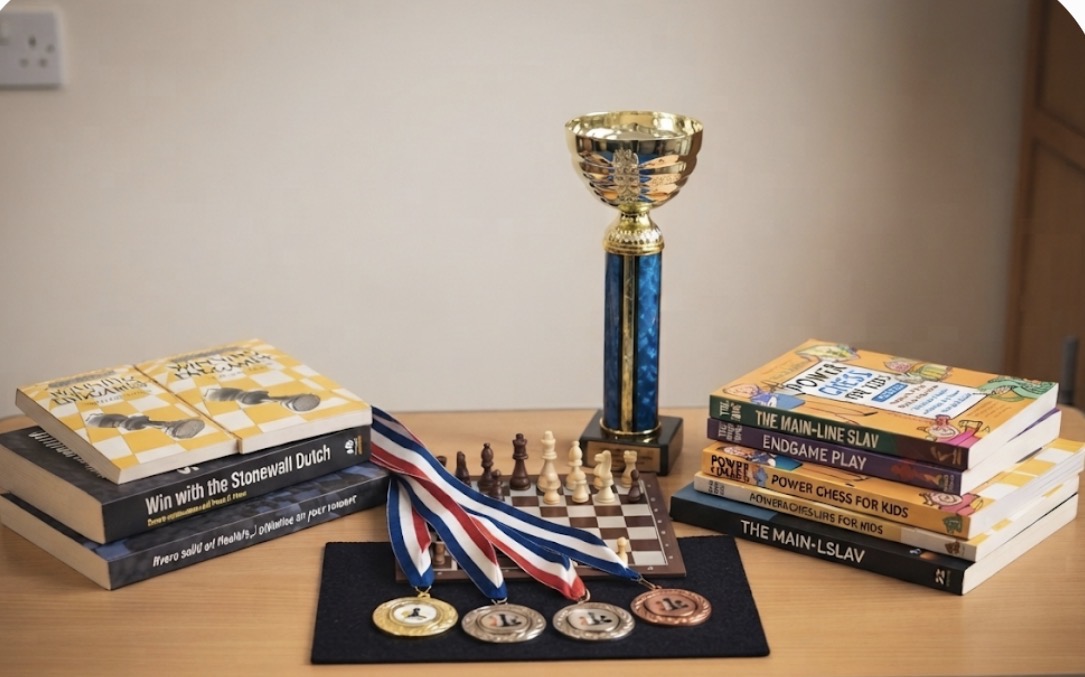
Chess endgame practice is one of the most powerful ways for junior players to turn close matches into confident wins. From September 2026, Kingston Junior Chess will open its doors in Kingston upon Thames, bringing expert coaching and a friendly club community to young players who want to sharpen their skills — especially in those final, decisive moments on the board.
Every junior player knows the sting of a brilliant attacking game that dissolves into a frustrating stalemate or a sudden defeat once the queens leave the board. It is a common pain point; you do the hard work of gaining an advantage, only to realize you lack the technical roadmap to convert it. Mastery of the endgame is what separates ambitious club players from those who consistently secure the full point. This phase of the game is not merely about memorizing patterns; it is the ultimate test of calculation and patience. In this article, we will break down the 20-40-40 rule for balanced improvement and share five essential principles every beginner must know. You will also discover how focused endgame drills at Kingston Junior Chess foster the resilience needed to stay calm under pressure, ensuring you turn every winning position into a definitive victory.
The Heartbreak of the Blundered Win: Why Endgames Matter
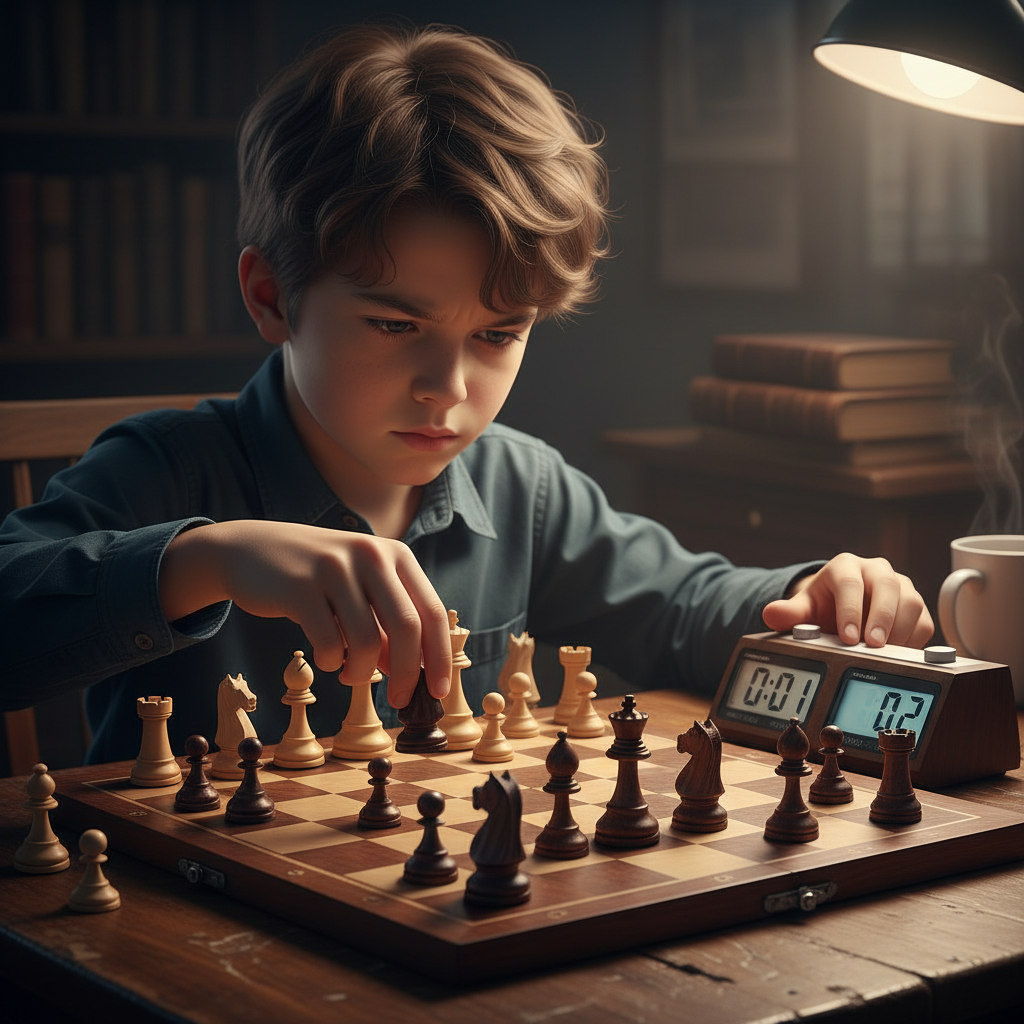
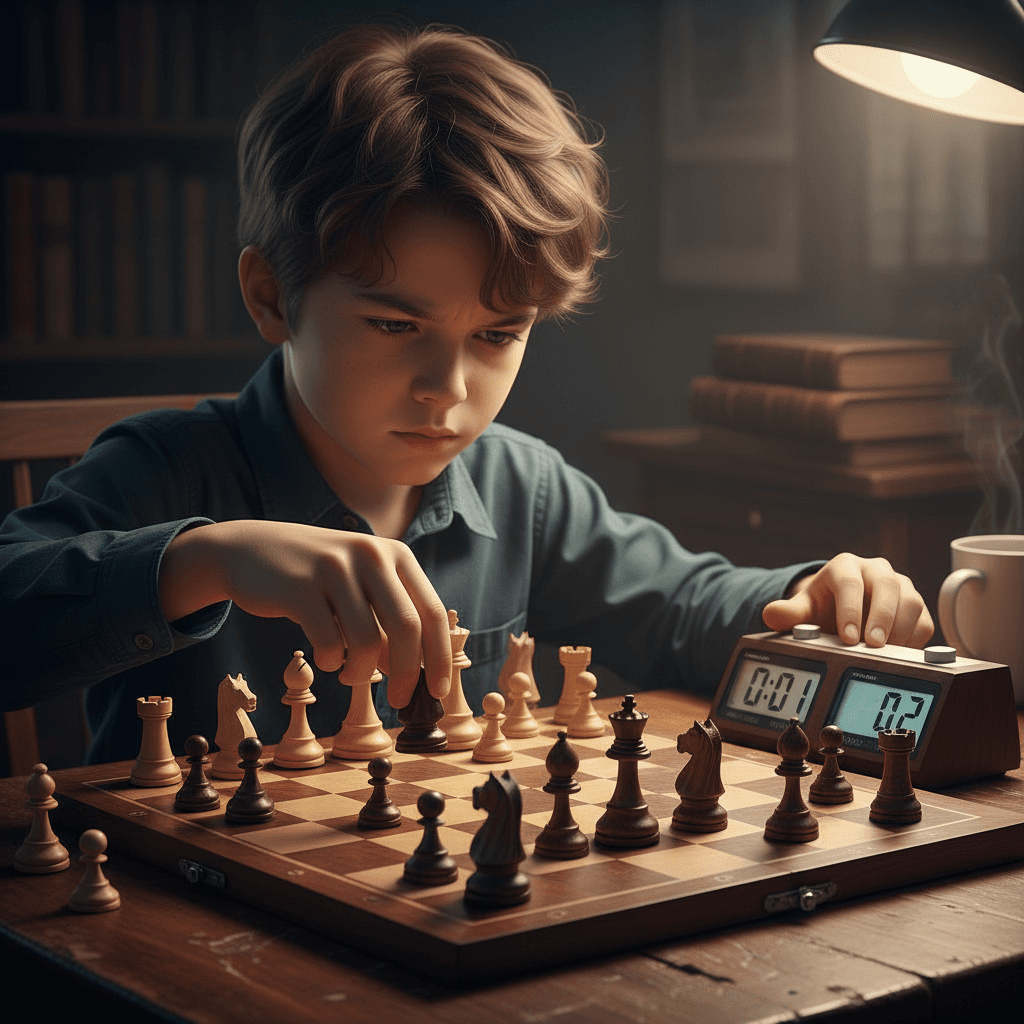
Picture a young player at a junior tournament. They have navigated a complex opening with precision and found a stunning tactical sequence in the middlegame to win an opponent's Queen. The hard part is done. Yet as the board clears and only Kings, a few pawns, and a Rook remain, that winning advantage slowly slips away. How? The endgame, the most unforgiving phase of chess, demands a completely different set of skills — and without dedicated practice, even the brightest junior players can stumble at the final hurdle.
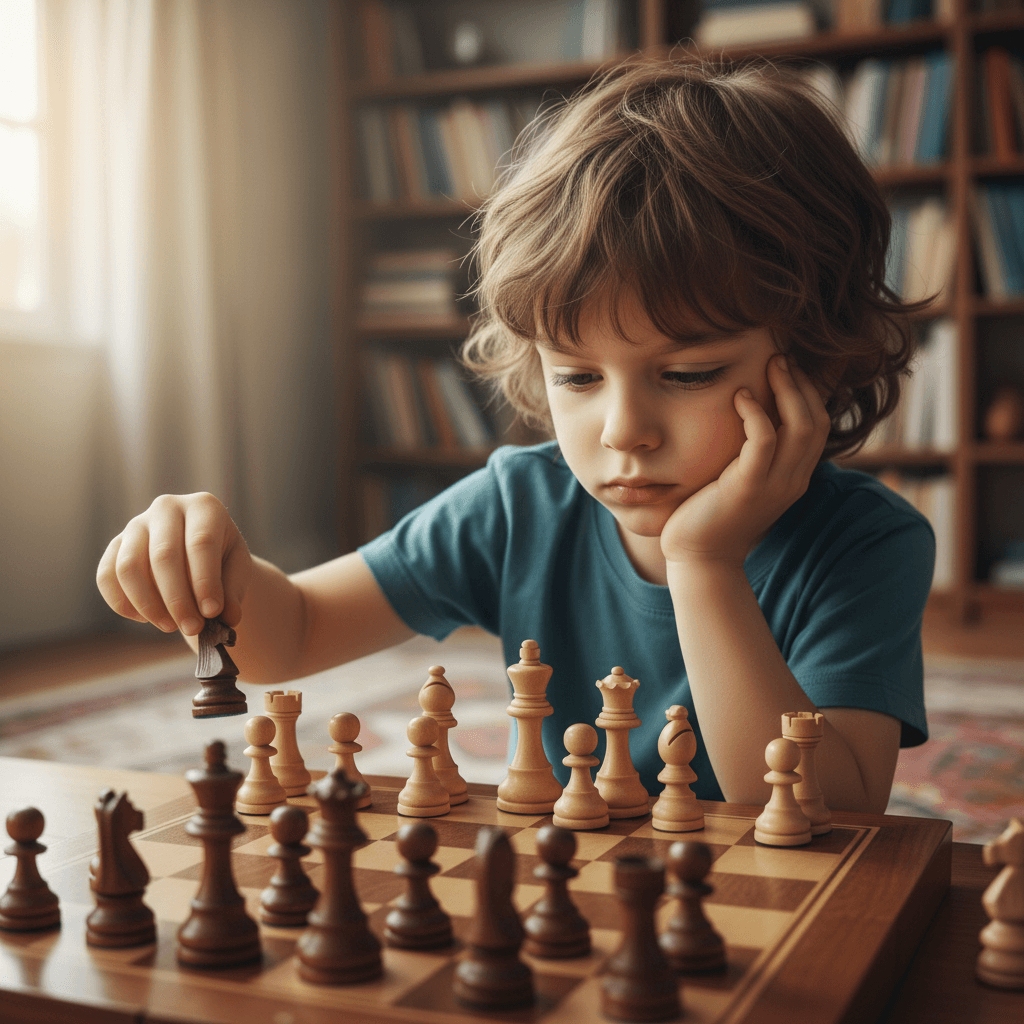
In chess, the "endgame" is the phase where only a few pieces remain on the board. While the opening is about development and the middlegame is defined by tactical fireworks, the endgame is a test of pure technical precision. It is often the thin line between taking home a trophy and leaving with a frustrating story about a missed opportunity. The pain of a late-game blunder is sharp; it feels like losing a race just inches from the finish line. Conversely, a child who has prioritized chess endgame practice carries a unique confidence. They do not panic when the board thins out; they see a clear, mathematical path to victory.
At Kingston Junior Chess, we believe this transition from playing by instinct to closing with technique is the most critical growth phase for a young player. When we open in September, our expert coaching will place real emphasis on endgame training, ensuring every junior player learns not just to reach a winning position but to finish with confidence.
Understanding the 20-40-40 Rule in Chess Improvement
The 20-40-40 rule provides a clear blueprint for balanced development, addressing a common question among parents regarding how a child should divide their study time. For beginners and intermediate juniors, the ideal study split is roughly 20 percent openings, 40 percent middlegame tactics, and 40 percent endgame technique.
Many children fall into the trap of over-studying openings, spending hours memorizing deep variations of popular lines. While this feels productive, it is often a strategic dead end. At the junior level, games are rarely won in the first ten moves; they are won by capitalizing on mistakes in the final phase. Memorization lacks the flexibility required when an opponent deviates from the "book" moves. In contrast, chess endgame practice builds a deep, intuitive understanding of how pieces interact when space is abundant. Mastering a King and Pawn versus King scenario teaches vital concepts like opposition and outflanking, which are far more valuable than a memorized sequence.
When Kingston Junior Chess launches this September, beginners will spend plenty of time on that final 40 percent to ensure they can convert an advantage into a win. As players progress, the balance shifts naturally, but the endgame remains a priority throughout.
Top 5 Essential Chess Endgame Principles for Beginners
Building a reliable endgame technique requires a focus on five core pillars. These principles turn a chaotic scramble for the finish line into a controlled, strategic victory, ensuring that the hard work done in the opening isn't wasted.
Activate the King: In the opening and middlegame, the King is a liability that must be shielded behind a wall of pawns. However, as the board clears, the King transforms into a powerful fighting piece. Beginners must learn to bring their King toward the center of the board where it can support advancing pawns and restrict the movement of the opposing King.
Harness Passed Pawns: A passed pawn is one that has no opposing pawns in its way or on adjacent files to stop it. These pawns are your future Queens, but they rarely succeed alone. We teach our students to use a buddy system, where the King or another piece escorts the pawn safely to the promotion square, ensuring it isn't picked off by the opponent's last remaining pieces.
Master Basic Checkmates: Before entering junior tournaments, a player must be able to execute the King and Queen versus King and the King and Rook versus King patterns flawlessly. These are the fundamental tools of the trade; knowing you can force a mate with just one Rook removes the anxiety of a thinning board.
Simplification: If a player has a material advantage, such as being up a Rook or even just a strong pawn, the most effective strategy is to trade remaining pieces of equal value. By simplifying the position, you reduce the opponent’s chances for tactical tricks and make the path to victory much clearer. As we say in the club: trade pieces when ahead, trade pawns when behind.
Understand Opposition and Zugzwang: Opposition occurs when two Kings face each other on a file or rank with only one square between them. Mastering this allows a player to outflank the opponent and seize control of critical squares. This often leads to zugzwang, a German term meaning ' to move.' In this state, every possible move a player can make will worsen their position; they are forced to step aside and let the other player through.
Integrating these technical skills during chess practice sessions ensures that students don't just play for a win, but understand the mechanics of how to secure it. Through expert coaching, we help juniors visualize the board backwards, identifying the winning position first and then calculating the steps necessary to reach it.
How Endgame Practice Builds Resilience and Mental Toughness
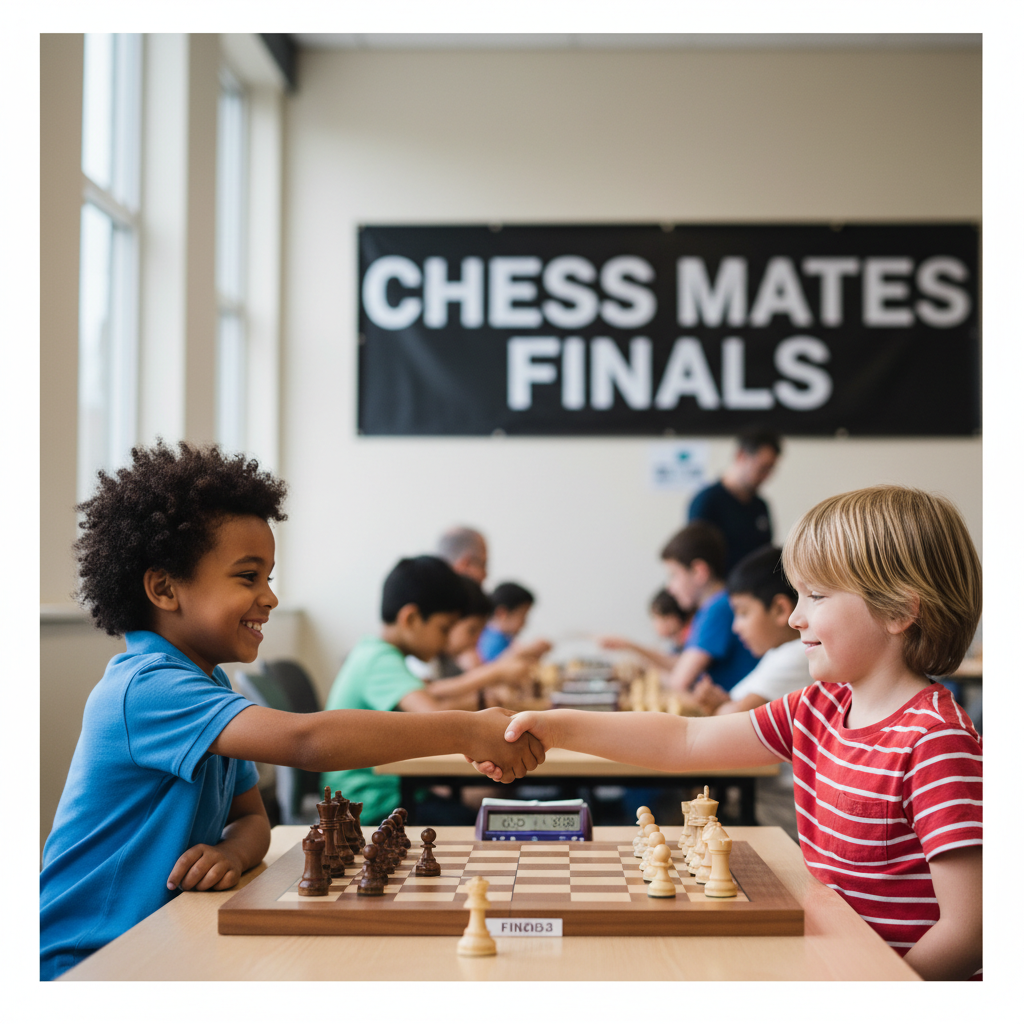
Mastering technical principles is only half the battle; the psychological demands of the final phase are what truly test a junior player. In the opening or middlegame, a slight inaccuracy can often be remedied by tactical creativity later on. In the endgame, however, there is far less room for error. A single misplaced King move in a King and Pawn versus King scenario can instantly transform a hard-earned win into a draw. This high-stakes environment forces children to maintain peak concentration when they are most fatigued, fostering a level of mental toughness that extends far beyond the board.
Effective chess endgame practice teaches children how to manage their emotions when the pressure is highest. We often see students in our chess practice sessions fighting to save a lost game. Learning to find the precise sequence to secure a stalemate when down a piece requires incredible patience and a refusal to give up. Conversely, carefully converting a tiny advantage, like a single extra pawn, requires a disciplined, methodical approach. This process helps juniors develop emotional regulation, as they must suppress the urge to rush and instead calculate each move with total clarity, understanding that one wrong step changes the outcome.
At Kingston Junior Chess, we emphasize that these moments are essential opportunities for character growth. Our expert coaching encourages players to value the struggle of a well-fought game as much as the final score. In the supportive community of our club, children learn that true sportsmanship is demonstrated by staying at the board and searching for the best defensive resource, even when the odds are stacked against them. This resilience is what prepares them for the intensity of competitive junior tournaments and the challenges of everyday life.
Interactive Chess Endgame Practice: Methods that Work for Kids
Translating these psychological benefits into tangible skill requires structured, interactive sessions. While digital platforms like Lichess and ChessKid offer excellent automated endgame puzzles and drills, there is a distinct advantage to training over the board with physical pieces. Moving the pieces by hand enhances tactile memory and encourages a level of sustained focus that is often diluted when clicking through moves on a screen.
Parents can facilitate effective chess endgame practice at home by setting up specific mini-games that isolate key concepts. One of the most productive exercises is the "pawn race." Clear the board of all pieces except for the Kings and three pawns each on their original squares. The goal is simple: promote a pawn to a Queen while using the King to support the advance and block the opponent. This drill teaches the "buddy system" and the critical nature of pawn structure without the distraction of more powerful pieces. Another essential exercise involves playing out a King and Rook versus King scenario against a parent or coach. Challenging a child to deliver checkmate within the 50-move limit ensures the pattern becomes second nature before they face it in a high-pressure game.
At Kingston Junior Chess, our weekly sessions will weave these specific training positions into every meeting. We will provide expert coaching to guide students through the nuances of opposition and technique, supported by periodic tournaments where they can immediately apply what they have learned in a friendly but competitive environment.
Local Coaching and Community: The Kingston Junior Chess Advantage
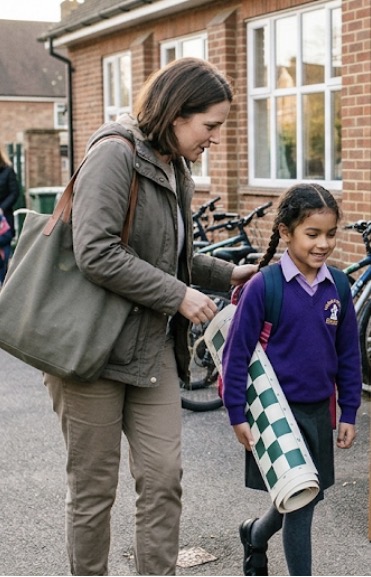
Kingston Junior Chess is about to become a vibrant local hub for young strategic thinkers across the Royal Borough. Opening in September 2026, our club sessions in the bright, welcoming space at the Richard Mayo Centre in Kingston upon Thames will provide a safe and encouraging environment for all skill levels. While books and apps provide the theory, our club will pair young players against similarly rated opponents, supported by expert coaching that shows them how to apply principles in real time.
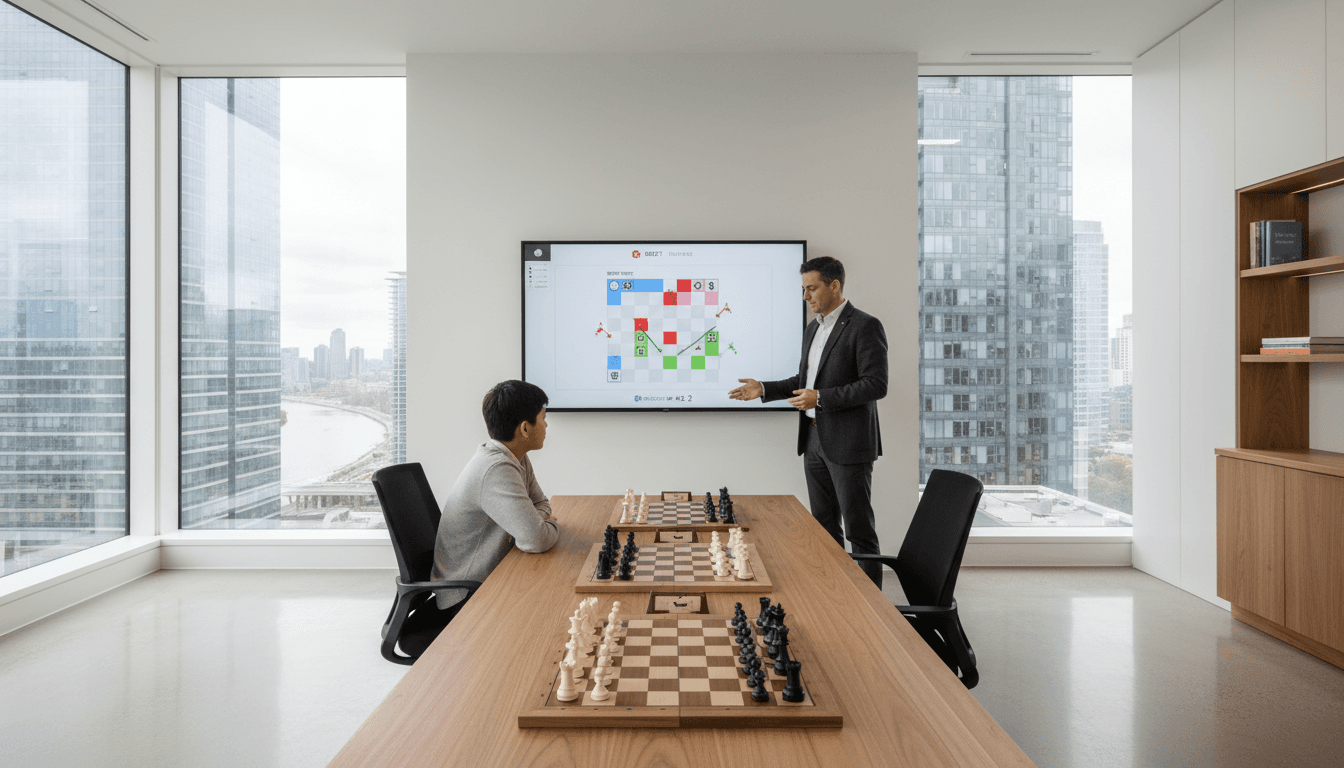
One of the greatest advantages of local expert coaching is the immediate post-match analysis. When a game reaches a complex King and Pawn ending, our coaches will be available to point out the precise winning technique the moment the clock stops. This real-time feedback ensures that the logic of the endgame sticks, turning a confusing draw or loss into a lightbulb moment of clarity. As students prepare for upcoming junior tournaments, they will do so as part of a community that values sportsmanship as much as a well-executed checkmate. By gathering in the heart of Kingston, we will provide the structured environment needed to master the final phase of the board while building friendships that last far beyond the final move.
Mastering the endgame transforms a young player's approach to the board. By focusing on these final stages, juniors learn the value of patience and precision while building the resilience needed for long matches. When Kingston Junior Chess opens its doors on Monday 14th September 2026, our weekly sessions at the Richard Mayo Centre, Eden Walk, Kingston upon Thames, KT1 1HZ will give young players aged 6 to 18 expert coaching, friendly tournaments, and a supportive community. If your child is ready to build skills that last a lifetime, we would love to welcome them. Book your child's place today — spaces are limited and we expect them to fill quickly.