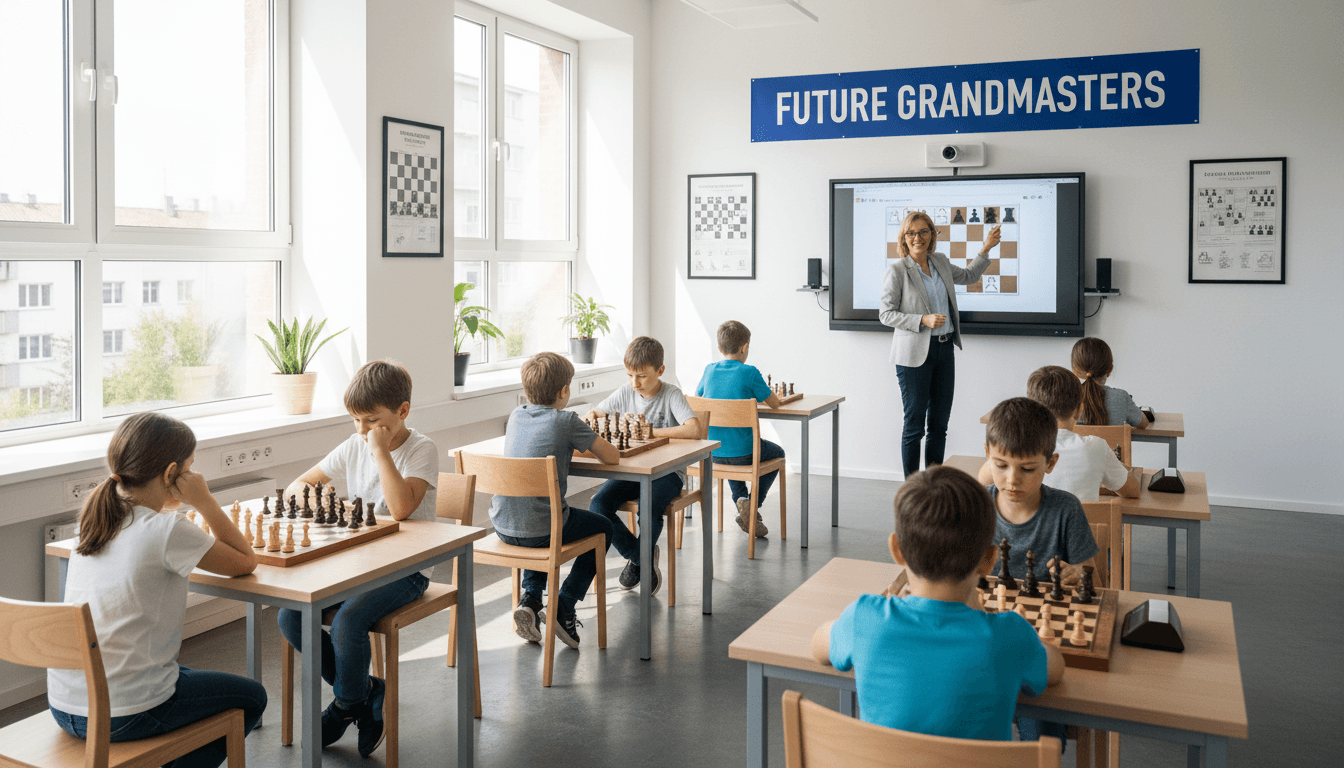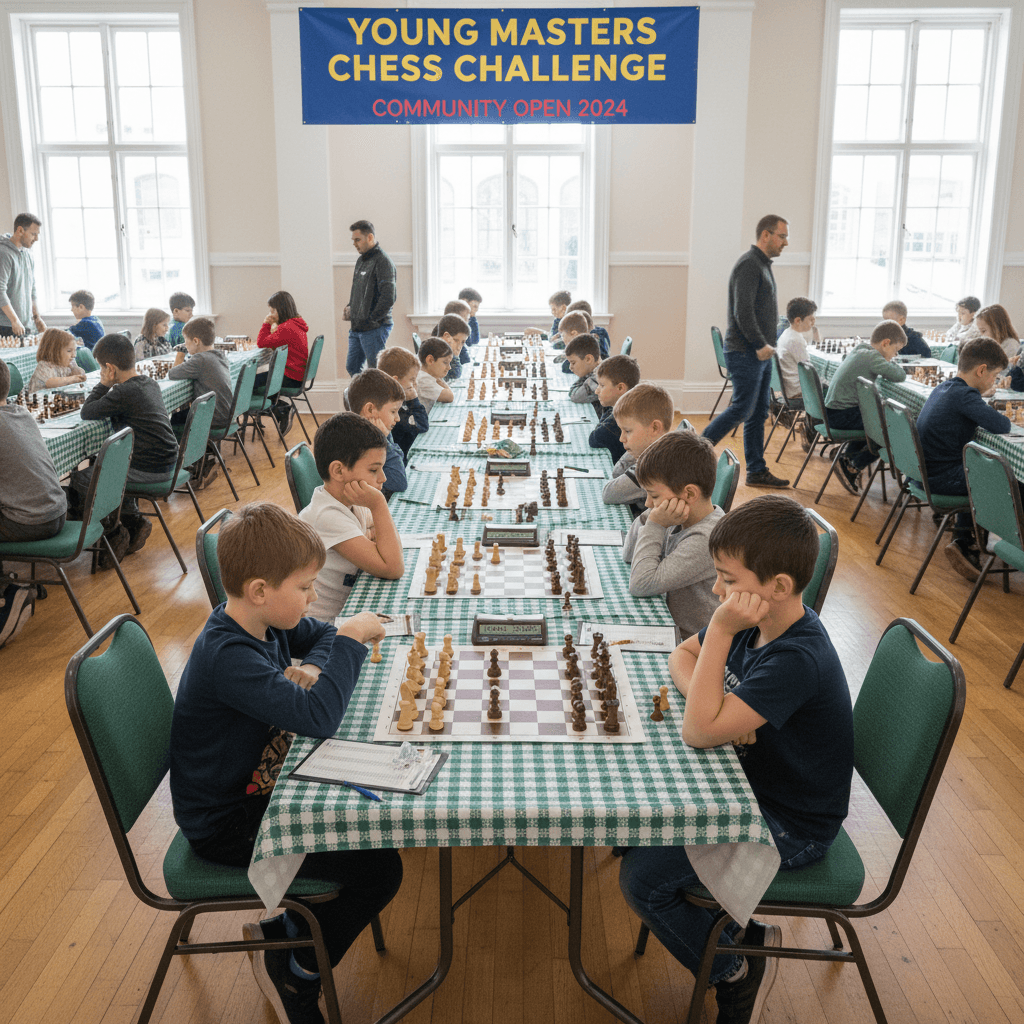

Prominent junior chess clubs Kingston upon Thames include the Kingston Junior Chess Club at the Richard Mayo Centre and the Kingston Chess Academy, both of which provide expert coaching for ages 6 to 18. Families can also access structured lessons and competitive play at Surbiton Juniors, Chessington Junior Chess Club, and the nearby Richmond Junior Chess Club. These organizations focus on skill development and preparation for major tournaments such as the London Junior Chess Championship.
Finding the right environment for a budding strategist in Kingston upon Thames can feel like navigating a complex endgame without a clock. Many parents recognize the profound cognitive benefits of the royal game, yet they often struggle to distinguish between casual school groups and competitive local clubs. Choosing the wrong setting can lead to frustration or stalled progress, which risks extinguishing a child’s passion before it has the chance to flourish. This guide provides a definitive roadmap for families in Kingston and the wider Surrey area. We will compare the leading junior clubs, discuss the ideal age to start formal instruction, and demystify the local tournament landscape, including the prestigious London Junior Chess Championships. By the end of this article, you will have a practical framework for selecting a club that aligns with your child’s skill level and personal ambitions.
Navigating the Junior Chess Landscape in Kingston upon Thames
Kingston upon Thames and the wider Surrey area boast a remarkable chess heritage, serving for decades as a focal point for competitive play and talent development in the South East. For parents today, the local landscape is exceptionally rich, offering a spectrum of environments ranging from informal primary school clubs to high intensity training academies. This abundance of choice is a significant advantage for young players, yet the sheer variety of formats, meeting times, and coaching styles can be difficult for families to decipher.
Navigating these options requires understanding the difference between a casual drop in session and a structured program offering expert-led chess coaching. Some children thrive in high pressure environments geared toward immediate junior chess tournaments, while others require a community focused setting where concentration and sportsmanship are nurtured alongside tactical skills. A child who enjoys a quiet, analytical approach may find a different fit than one who excels in the fast-paced energy of a large group setting.
The purpose of this guide is to demystify the local ecosystem. We will explore the specific junior chess clubs Kingston upon Thames offers, examining how different venues cater to varying skill levels and personality types. By grounding your choice in a clear understanding of what each club provides, from a robust safeguarding policy to pathways into adult leagues, you can ensure your child’s introduction to the game is both rewarding and sustainable.
Comparing Junior Chess Clubs in Kingston upon Thames and Surrey
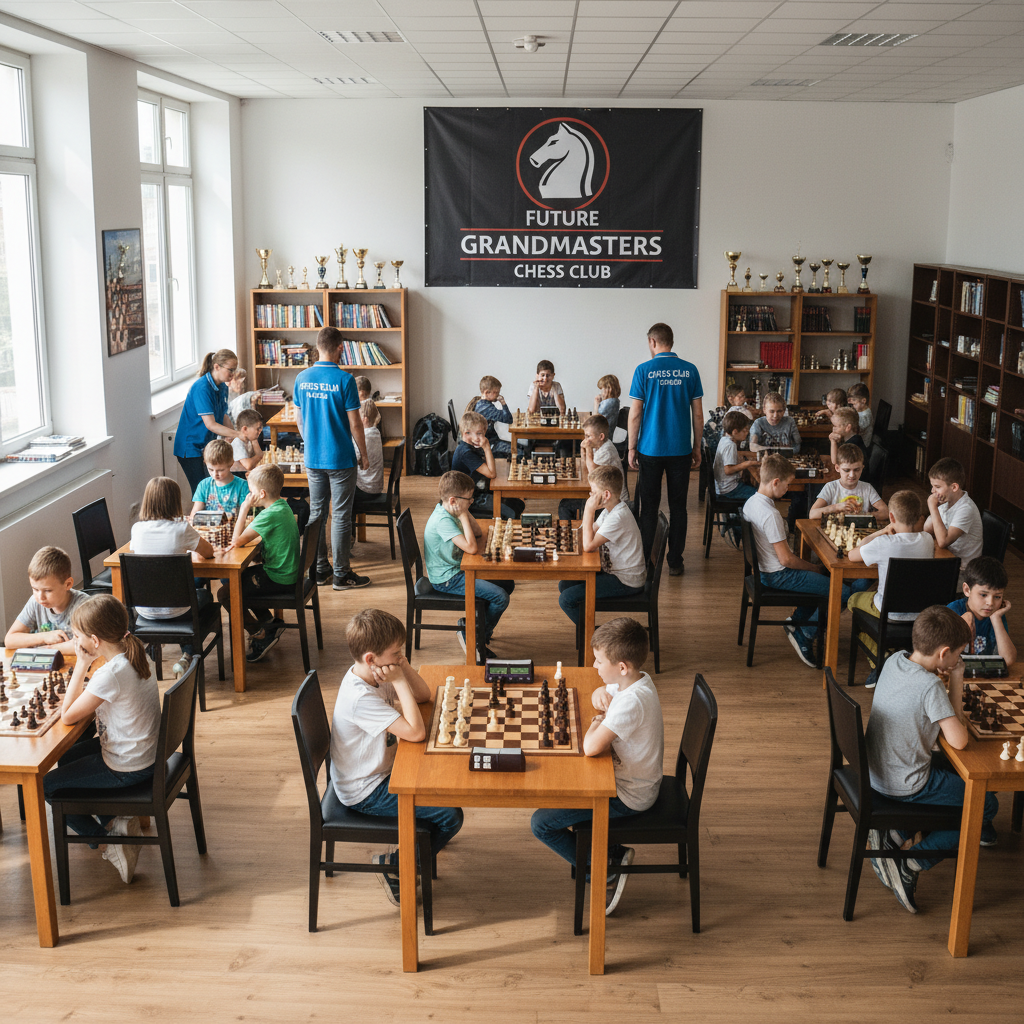
The junior chess landscape in Kingston and its surrounding boroughs is remarkably varied, offering distinct choices depending on your family's schedule and your child's goals. Kingston Junior Chess Club, based at the Richard Mayo Centre, serves as a central hub for those seeking a balance of community and expert-led chess coaching. Its location in the heart of Kingston makes it particularly accessible for families living near the town centre or those finishing the school day at nearby primary schools. By meeting early on Monday evenings, it provides a structured start to the week without the late finishes associated with adult club sessions.
Nearby options offer different scheduling advantages. The Surbiton Juniors, located on Ditton Road, meet on Wednesday evenings, providing a mid week alternative for those with Monday commitments. Similarly, the Chessington Junior Chess Club at The Kings Centre operates on Monday evenings but typically starts later, which may suit older juniors or those traveling from the southern edge of the borough.
Club Location | Primary Meeting Time | Key Focus |
|---|---|---|
Kingston (Richard Mayo Centre) | Mondays (from 5:15pm) | Coaching, social play, and foundations |
Surbiton (Ditton Road) | Wednesdays (6:20pm – 7:20pm) | Skill development and local play |
Chessington (The Kings Centre) | Mondays (7:00pm – 8:00pm) | Community based games |
Twickenham (Orleans Park School) | Saturdays (2:00pm – 5:00pm) | Competitive training and long form games |
For families looking for intensive, multi hour Saturday sessions, the Richmond Junior Chess Club in Twickenham provides a different environment. While local Monday and Wednesday clubs often focus on an hour of instruction followed by friendly games, Saturday clubs often facilitate longer competitive matches that mirror the format of professional junior chess tournaments.
Choosing between these options often comes down to the intensity your child desires. A new, community focused club like Kingston Junior Chess prioritizes a supportive atmosphere and a robust safeguarding policy, making it an ideal entry point for children who want to learn the game properly before stepping into the high pressure world of elite academies.
At What Age Should a Child Start Learning Chess?

Determining the ideal moment to introduce a child to a formal club environment depends more on cognitive readiness than a specific date on a birth certificate. While the majority of children begin their journey into junior chess clubs Kingston upon Thames offers around age 6 or 7, it is not uncommon to see younger enthusiasts starting as early as 4 or 5. At this younger stage, the focus is less on complex theory and more on the basic mechanics of how pieces move and the spatial logic of the board.
Readiness is best identified through specific signals rather than age alone. A child who can maintain concentration for at least fifteen minutes, understands the concept of taking turns, and shows an innate curiosity for puzzles is often prepared for expert-led chess coaching. In the broader chess world, the term 'junior' is a broad designation, typically encompassing players in age-defined categories up to Under 18 or even Under 21.
Kingston Junior Chess specifically caters to the 6 to 18 age range, ensuring that lessons are tailored to varying levels of maturity and skill. This structure allows younger children to build foundational habits and sportsmanship under a clear safeguarding policy, while older players refine the strategic depth required for competitive junior chess tournaments. Focusing on a child's genuine interest ensures the game remains an engaging pursuit rather than a pressured obligation.
Understanding the Local Tournament Scene: From Friendlies to LJCC
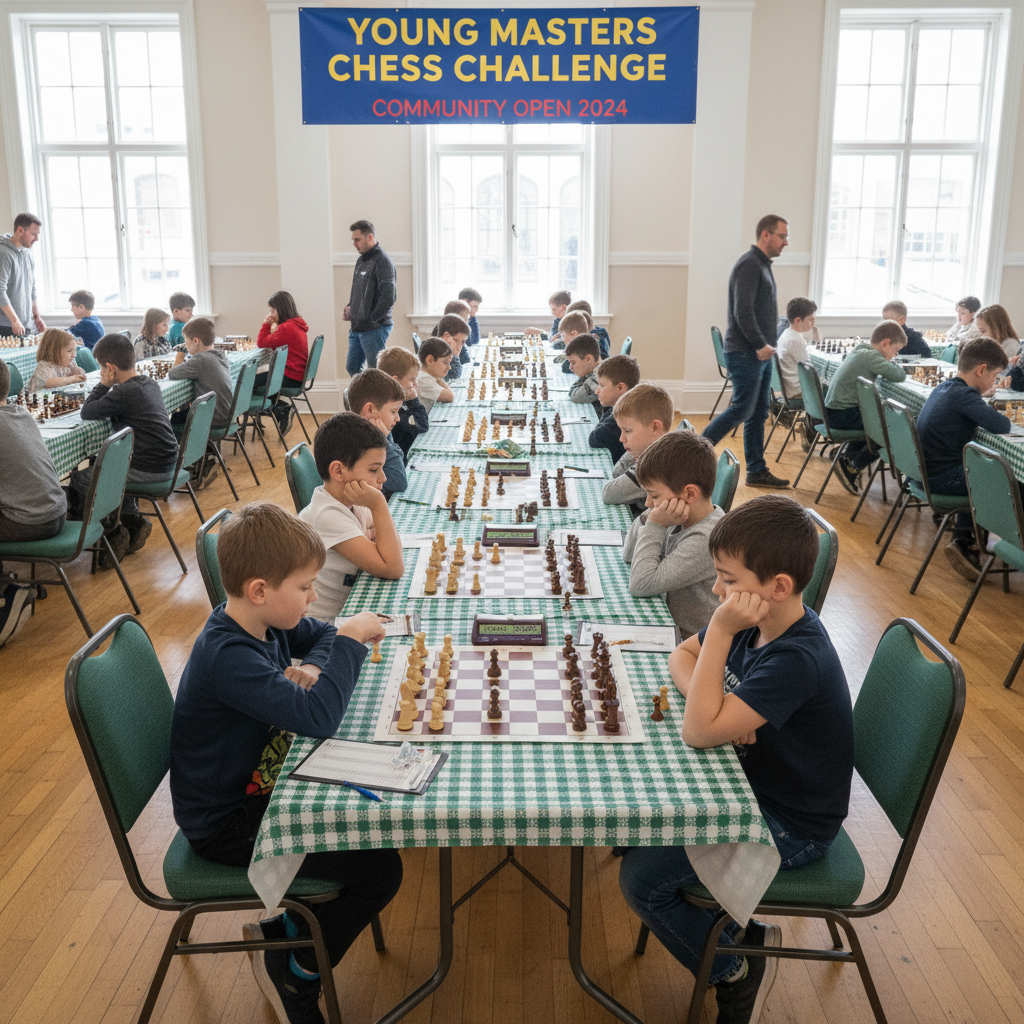
Transitioning from casual play to formal competition can seem daunting, but the pathway through junior chess clubs Kingston upon Thames offers is well defined. The local competitive scene is anchored by the London Junior Chess Championship (LJCC), a prestigious event held every December. Unlike open festivals, the LJCC requires players in the Under 8, Under 10, and Under 12 categories to qualify through regional trials held during the autumn term. These qualifying events, often hosted in nearby Hampton or Twickenham, determine whether a player competes in the "Major" or "Minor" sections of the finals based on their score.
To participate in these rated events, players typically need to join the English Chess Federation (ECF). The ECF maintains the national rating system, which is essential for tracking progress and ensuring fair pairings in junior chess tournaments. A significant benefit for new players is that ECF membership is usually free for a junior’s first year. This allows families to test the waters of competitive play without an immediate financial commitment to the national body.
Tournament Type | Age Categories | Focus |
|---|---|---|
LJCC Qualifiers | U8, U10, U12 | Qualification for London Finals |
Local Congresses | All ages (U8 to U18) | ECF rated games and local trophies |
Schools Challenge | Primary & Secondary | Large scale national knockout |
Club Ladders | All skill levels | Low pressure practice of tournament rules |
Before entering a formal congress, a child should be comfortable with competitive etiquette, particularly the "touch move" rule and the mechanics of using a chess clock. Our expert-led chess coaching emphasizes these practicalities, ensuring students understand technical rules like en passant and castling before they reach the board. By mastering these protocols within the supportive environment of a club, and under a clear safeguarding policy, young players can approach their first external tournament with confidence rather than apprehension.
How to Choose the Right Junior Chess Club for Your Child
Selecting the right venue from the variety of junior chess clubs Kingston upon Thames offers requires looking beyond geographical proximity. The most effective environment is one that aligns with a child’s specific learning style and long term goals. For a parent, the decision making process should focus on the quality of instruction and the structural integrity of the organization.
Selection Factor | Practical Consideration |
|---|---|
Coaching Quality | Does the club offer expert-led chess coaching or just supervised free play? |
Safety Standards | Is there a published safeguarding policy and clear DBS checks for staff? |
Competitive Path | Does the club actively prepare students for junior chess tournaments? |
Long Term Growth | Is there a link to adult chess, such as our collaboration with the historic Kingston Chess Club? |
Atmosphere is perhaps the most subjective yet critical factor. Some children thrive in high pressure academies focused strictly on rating points; however, many others need the supportive, community-focused environment found at the Richard Mayo Centre. A club that prioritizes concentration and sportsmanship over immediate results often produces more resilient players.
Furthermore, a clear pathway to adult leagues ensures that the skills learned in childhood translate into a lifelong hobby. The transition from junior to senior ranks is often where talent stalls, so choosing a club with strong ties to established local institutions provides a necessary bridge. By evaluating these practical elements, you can find a club that challenges your child without overwhelming them, fostering a genuine love for the game that lasts well beyond their school years.
Practical Tips for Your First Visit to a Chess Club
Entering a dedicated club environment for the first time is a significant milestone for any young player. In the various junior chess clubs Kingston upon Thames hosts, the logistical requirements for parents are minimal. Most venues, including the sessions at the Richard Mayo Centre, provide all necessary equipment, including weighted pieces, tournament boards, and digital clocks. Your child does not need to bring their own set. A small notebook and pen are the only recommended extras; recording moves is a fundamental skill developed during expert-led chess coaching that helps players analyze their games later.
Understanding specific etiquette helps a child feel confident during their first visit. The most critical regulation is the 'touch move' rule. This dictates that if a player deliberately touches a piece, they must move it if a legal move exists. Once a player removes their hand from a piece after making a move, that move stands and cannot be retracted. Familiarizing your child with this concept at home prevents confusion during their first few games in a club setting.
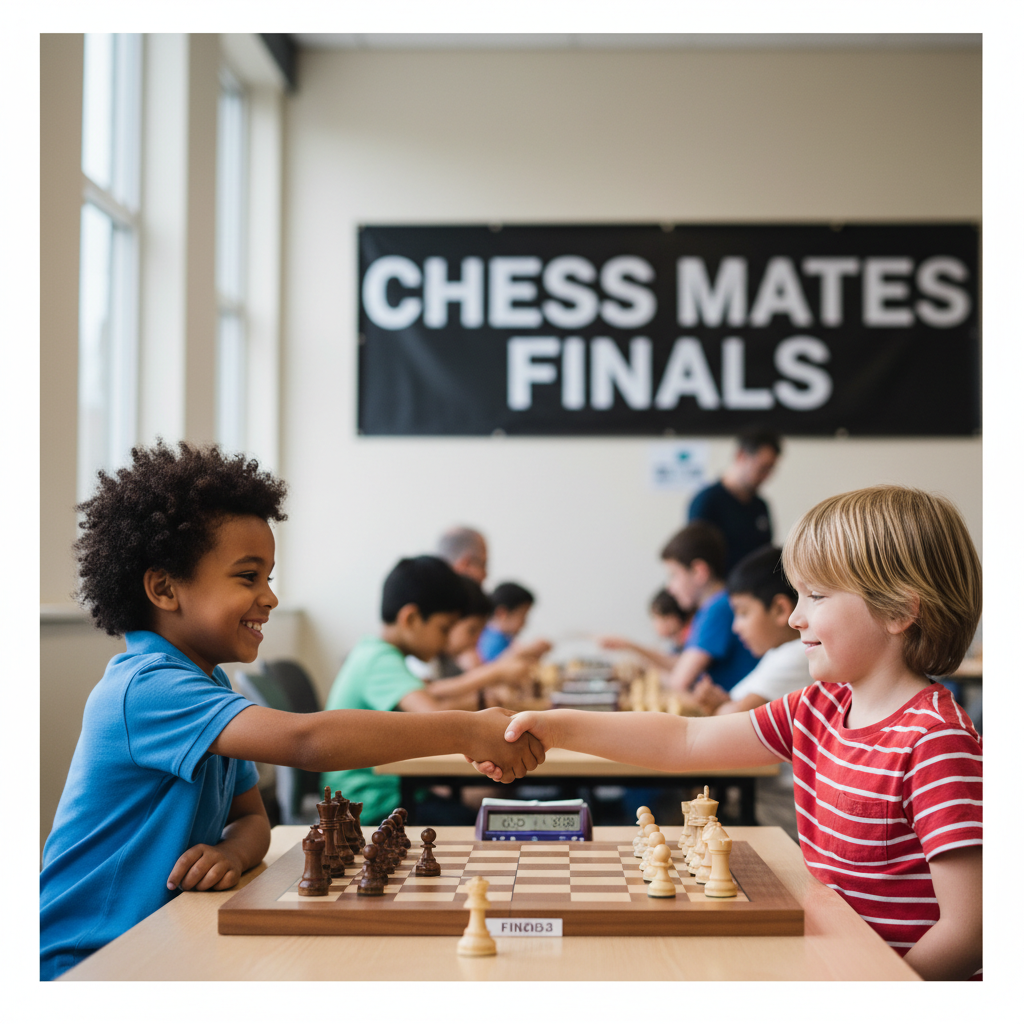
Preparing for the emotional aspect of the game is also vital. Chess is a game of absolute results, and every junior player will eventually face a difficult loss. We view these moments as essential teaching tools for resilience and sportsmanship. Every match begins and ends with a handshake, a practice reinforced by our safeguarding policy to ensure a respectful environment for everyone. For those not yet ready for a structured club, the casual drop in sessions at Tudor Drive Library offer a fantastic, low pressure introduction. These sessions allow children to build confidence before transitioning to more formal junior chess tournaments and club matches.
Finding the right chess club in Kingston is an essential step in supporting your child’s strategic growth and social confidence. While there are several excellent local options to explore, every young player has unique needs and goals. If you want expert help to accelerate their progress, professional coaching provides the structured guidance necessary for success. You can learn more about our dedicated instructors and how we help local juniors reach their full potential. We are here to support your child's journey through the game.