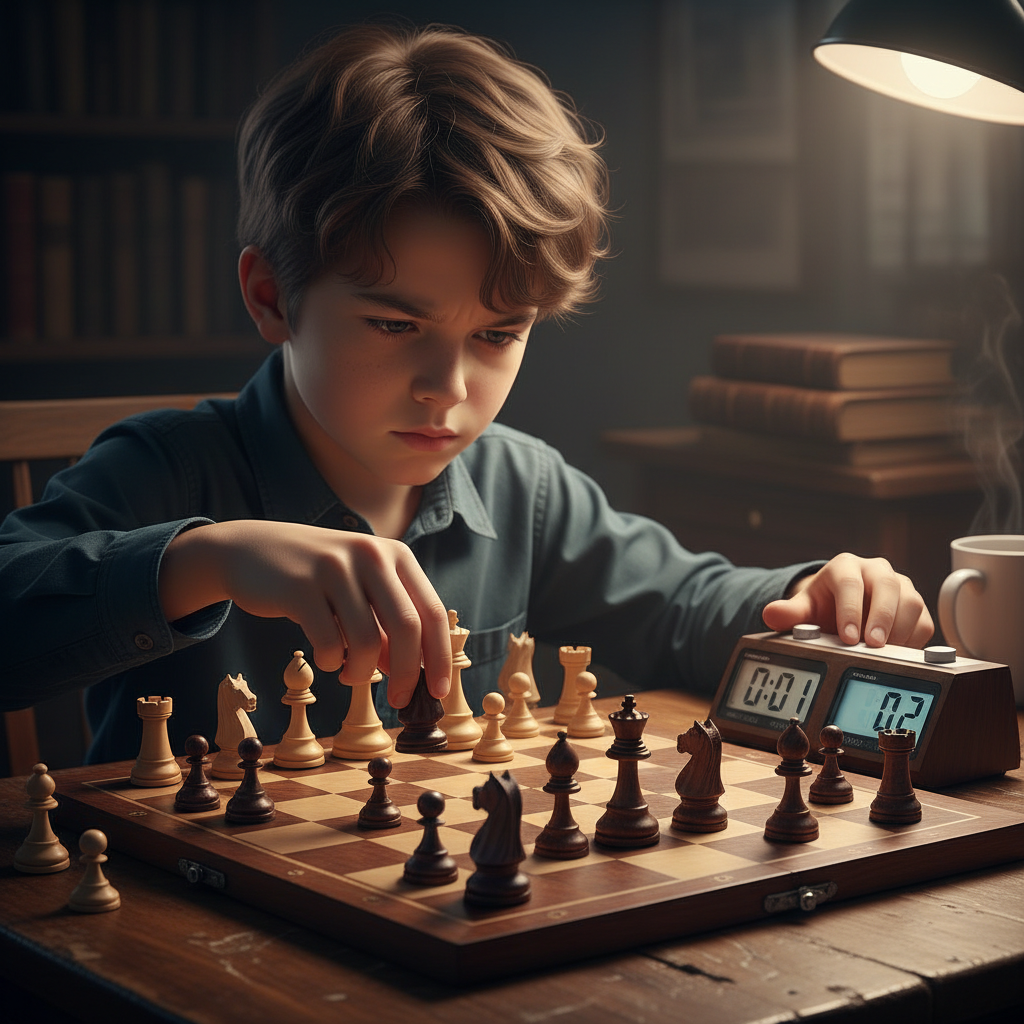
Yes, learning how to play chess does help children concentrate by requiring them to maintain deep focus on the board while anticipating an opponent's future moves. This practice builds mental endurance and improves attention spans; it also strengthens problem solving skills and memory retention in young learners.
Every parent in Kingston has felt that quiet frustration when their child struggles to settle into a task. In an era of instant gratification and digital distractions, the ability to sustain deep focus has become a rare and vital skill for academic success. You may have heard that chess is the ultimate remedy for a wandering mind, but separating hyperbole from reality is essential. At Kingston Junior Chess, we observe daily how the complexities of the sixty four squares demand a specific type of mental stamina. This guide examines the relationship between the board and the brain; we will explore the science of cognitive endurance, the specific benefits for children with ADHD, and the practical methods we use at our club to foster discipline. You will learn whether chess is the right tool for your child and how to support their journey effectively.
The Modern Struggle: Concentration in a Digital World
Modern parenting often feels like a constant battle against the infinite scroll. Between short-form videos and rapid-fire video games, the digital landscape is designed for immediate gratification, which often leaves children struggling to maintain focus on tasks that require sustained effort. In Kingston upon Thames, many families are noticing this shift and are actively seeking offline activities that build mental resilience and patience.
The question we often hear is, does chess help children concentrate in this high-speed environment? It is important to be realistic; chess is not a magic cure that instantly fixes a short attention span. Instead, it provides a unique, structured environment that naturally demands focus. Unlike a tablet screen that flashes to keep a child engaged, the chessboard is static. The stimulation must come from the child's own thoughts, calculations, and the necessity of anticipating an opponent's next move.
At Kingston Junior Chess, we see this transition every week. By engaging with expert coaching and joining the Kingston Junior Chess community, children learn that every move has a tangible consequence. This direct feedback loop encourages them to slow down and observe the board. When training for junior chess tournaments or just learning the basics, the game forces a shift from passive consumption to active, strategic thinking.
How Chess Specifically Builds Focus: The Science of the Board
To understand how chess helps children concentrate, we have to look at the specific cognitive demands the game places on a young brain. It is not merely a game of logic; it is a rigorous exercise in mental discipline. This discipline is built through three primary mechanisms: visual memory, environmental filtering, and sustained attention.
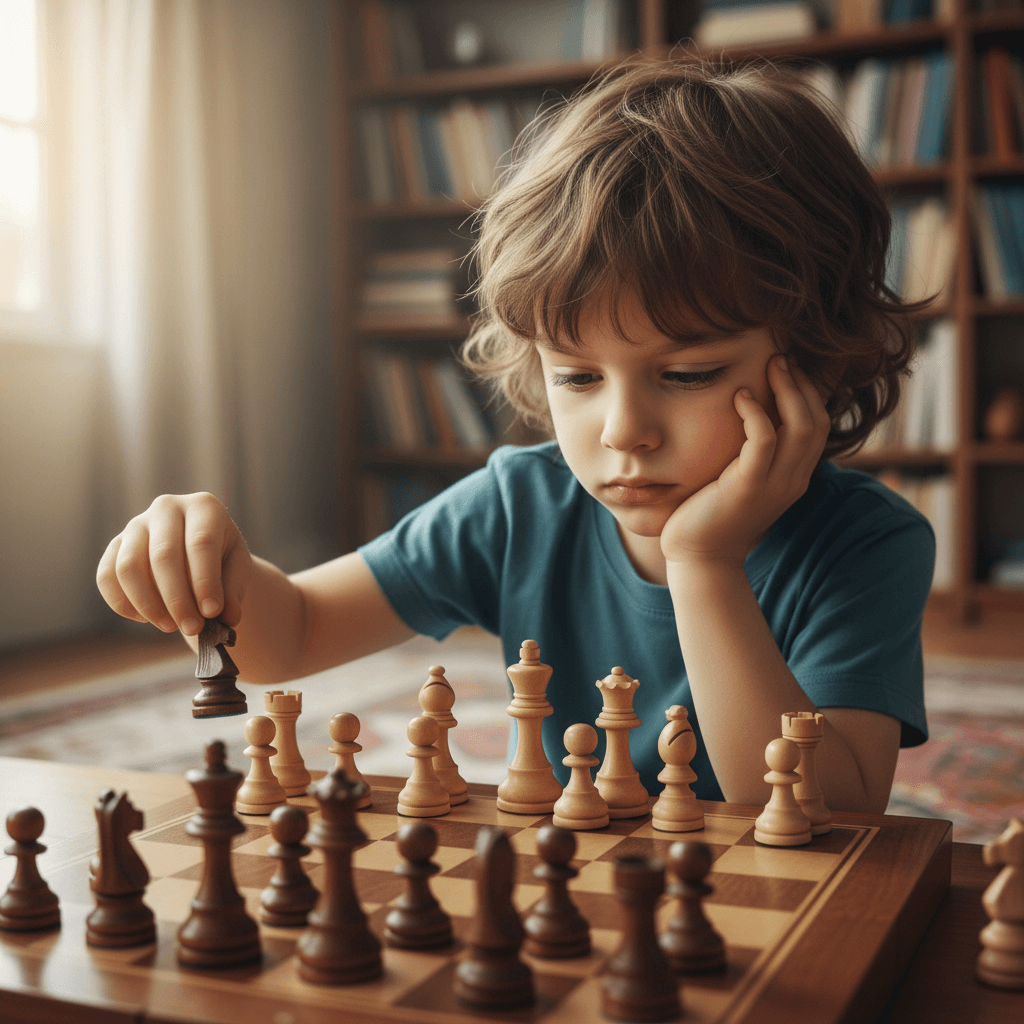
First, chess requires children to visualize consequences. Before a piece is touched, a player must see the board several moves into the future. This strengthens visual memory and spatial reasoning. In our expert coaching sessions, we teach students to hold these mental images steady, even as the physical board remains unchanged. If their mental focus slips for a second, the visualization collapses and the calculation must start over. This repeated effort acts like a gym workout for the prefrontal cortex.
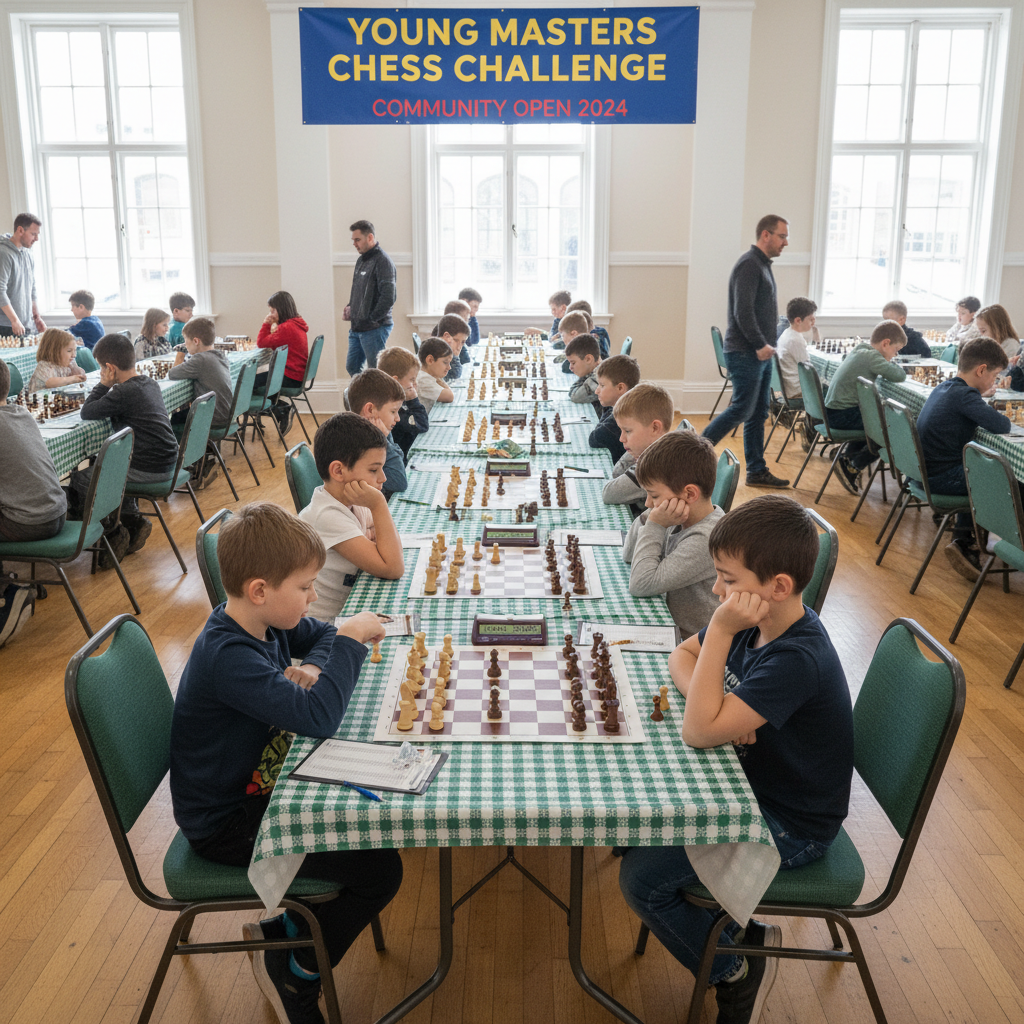
Second, the game trains the brain to filter out distractions. During junior chess tournaments, a room may be filled with the sound of ticking clocks, shuffling feet, or hushed whispers. To succeed, a child must develop a mental tunnel, ignoring peripheral stimuli to focus entirely on the sixty-four squares. This ability to tune out the noise of the room is a transferable skill that applies directly to a busy classroom or a focused study session at home.
Third, chess necessitates sustained attention during the opponent’s turn. Unlike digital media that provides constant pings of feedback, chess involves waiting. This fosters what is known as monotony resistance. Most modern entertainment relies on rapid scene changes to maintain engagement. Chess, by contrast, is a static and quiet activity. By staying engaged even when the task isn't flashing or making noise, children build the mental stamina required for deep work. This process is reinforced within the Kingston Junior Chess community, where patience and observation are valued and modeled by peers.
Is Chess Good for ADHD? What the Research Suggests
For parents navigating an ADHD diagnosis, the question of whether chess helps children concentrate takes on a more clinical urgency. Recent research published in ScienceDirect suggests that chess can play a valuable role as part of a multimodal approach to managing ADHD symptoms. The game provides something that many traditional interventions struggle to offer: immediate, non-judgmental feedback.
In a game of chess, the consequences of a lapse in attention are instant and objective. If a child becomes distracted and loses focus, they might lose a piece or miss a critical threat. This clear cause and effect relationship helps children with ADHD understand the tangible value of self-control in real time. Unlike a teacher's reprimand or a parent's reminder, the loss of a knight is a logical outcome of the game rules. It encourages the child to develop internal monitoring skills without the external pressure of being corrected by an adult.
However, the environment and duration of the game are vital for success. At Kingston Junior Chess, we find that these benefits are most pronounced when we keep sessions short and low-pressure. For neurodivergent children, long matches can lead to cognitive fatigue rather than improved focus. By starting with 10-minute games or specific tactical puzzles through our expert coaching, we help students build their concentration muscles in manageable increments. This tailored approach is central to the Kingston Junior Chess community, where we prioritize the child's engagement over rigid performance. While some may eventually enjoy the competitive intensity of junior chess tournaments, the initial goal is to harness the game's natural structure to improve impulse control and executive function in a supportive, local setting.
The Honest Truth: Why Chess Isn't a Magic Concentration Pill
While the research suggests a positive link, it is vital to acknowledge that simply sitting a child in front of a board will not yield results if they are fundamentally uninterested. The question of does chess help children concentrate often ignores the emotional component of learning. If chess is treated like a dry academic chore or a mandatory cognitive supplement, the mental muscle we want to build never actually engages. Concentration is not a switch to be flipped; it is a byproduct of genuine engagement.
We often see children quit chess when the environment becomes too rigid. Harsh corrections after a lost piece or long, technical lectures can quickly turn a fascinating game into a source of stress. When a child feels they are being constantly audited for mistakes, they stop looking for creative solutions and start looking for the exit. At Kingston Junior Chess, we avoid these pitfalls by ensuring our expert coaching remains interactive and student led. We prioritize the child's enthusiasm over perfect play.
Real focus happens when a child enters a state of flow, where the challenge of the game perfectly matches their current ability. This is why the Kingston Junior Chess community emphasizes social play and friendly matches alongside structured learning. When a child is motivated to find a clever move to surprise a peer or prepare for upcoming junior chess tournaments, the concentration follows naturally. We value the child's experience over the clinical idea of brain training, because we know that sustainable mental resilience only grows from an activity the child actually enjoys.
From the Club Floor: How We Foster Focus at Kingston Junior Chess
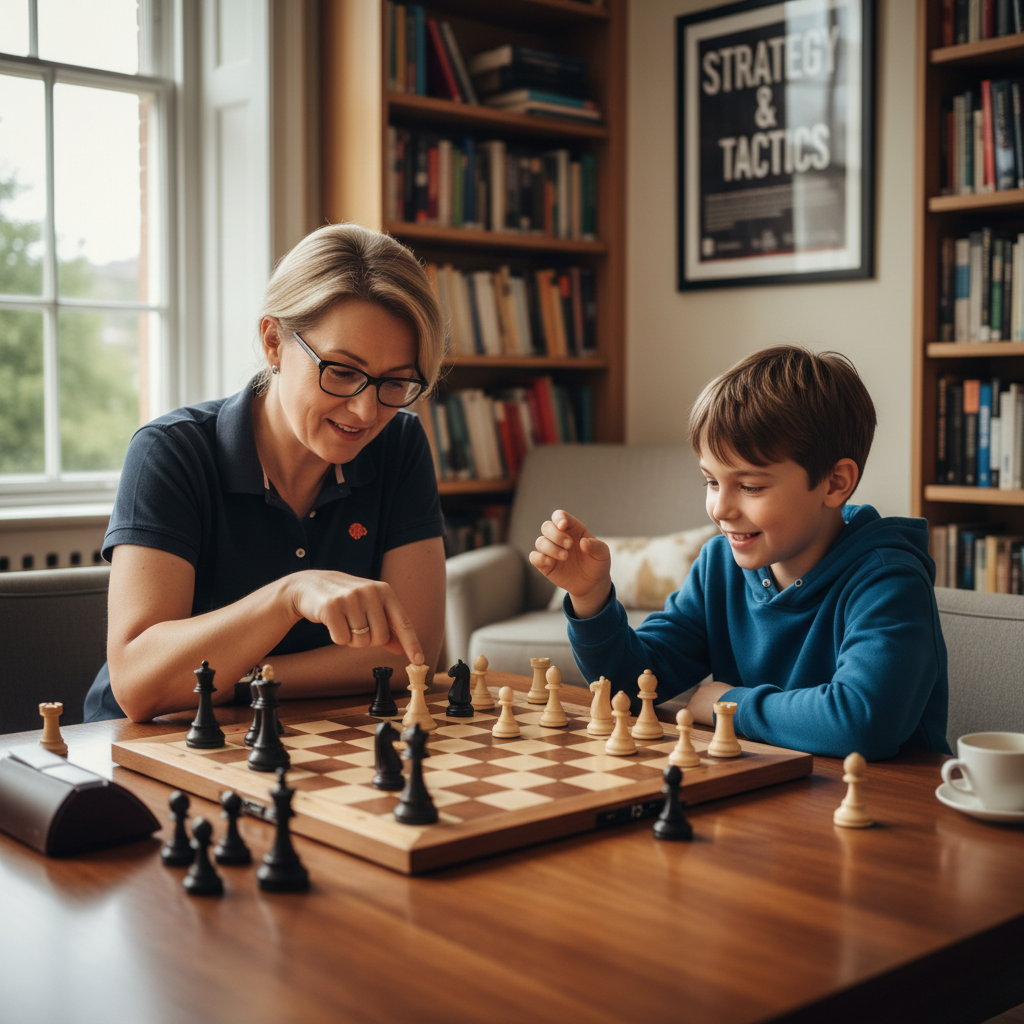
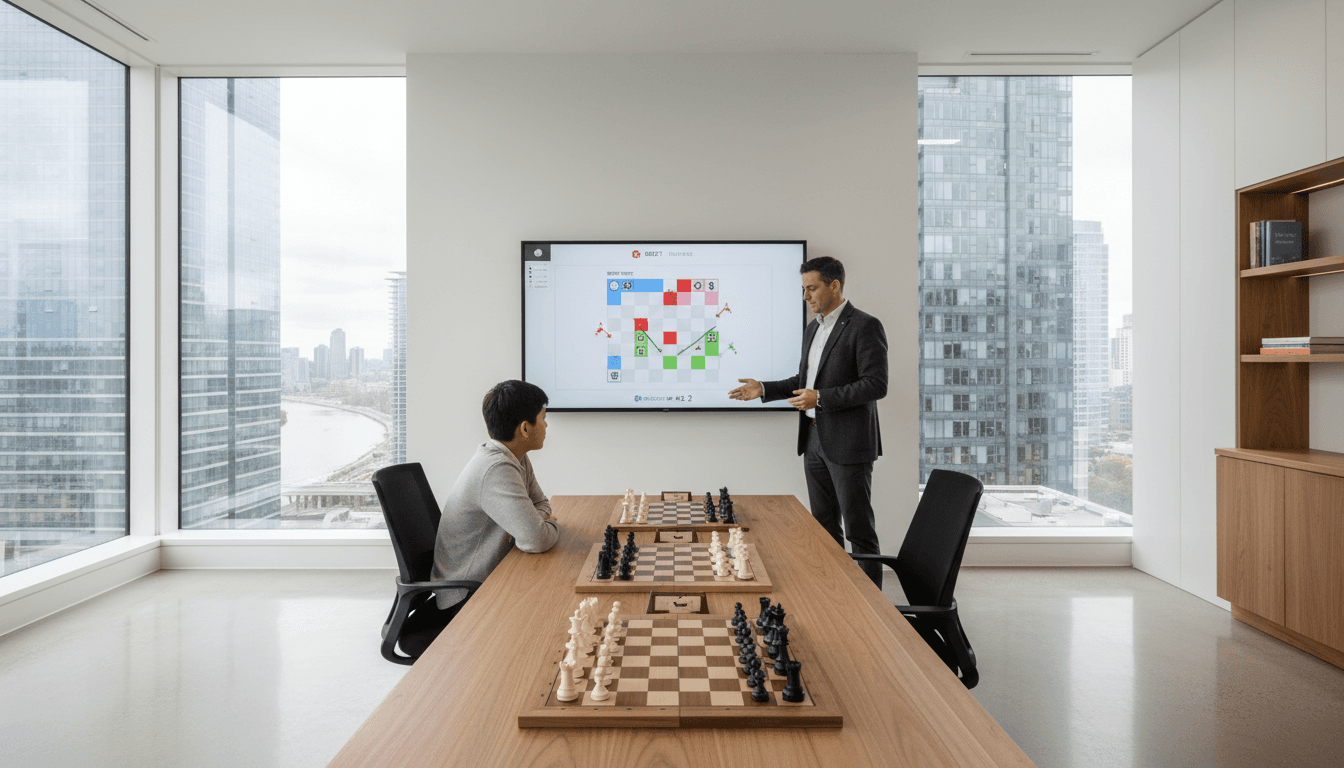
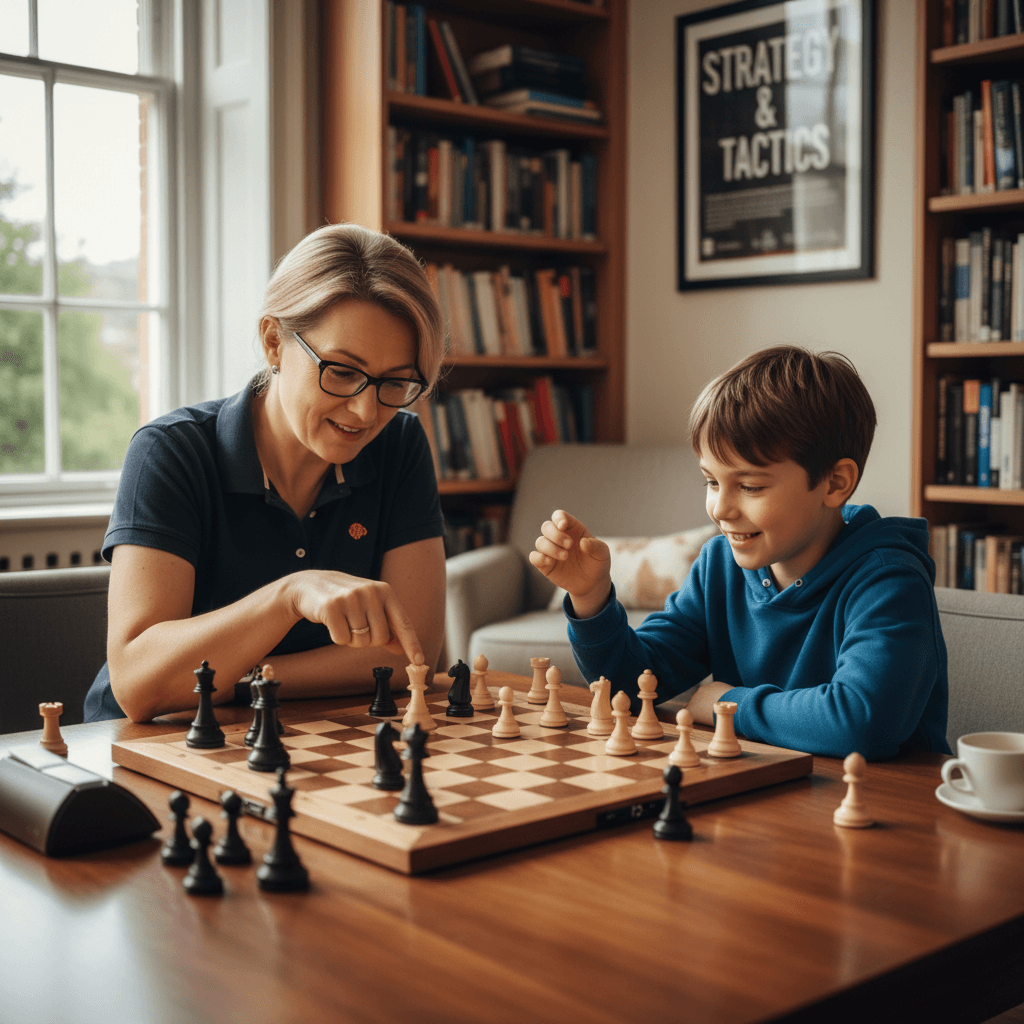
Walking into our weekly sessions in Kingston upon Thames, the atmosphere is rarely silent from the start. We begin with high energy expert coaching where children call out moves and debate strategies on a demonstration board. This social interaction is vital; it builds the initial enthusiasm needed for deep learning. However, the true shift occurs during the transition to match play. As the clocks start, a distinct hush settles over the room. This movement from vocal participation to internal calculation is where the question of does chess help children concentrate finds its practical answer.
Unlike playing against an app in a bedroom, being part of the Kingston Junior Chess community provides a layer of social accountability. A child is more likely to stay engaged when they are sitting across from a peer rather than a flickering screen. They observe their opponent's stillness, which mirrors and reinforces their own mental state. This shared environment creates a focus bubble that is difficult to replicate at home. As students prepare for junior chess tournaments, they learn that their concentration is a respected skill. By practicing this transition weekly in a supportive, local setting, the ability to filter out the surrounding room becomes a learned habit rather than a forced effort.
Does Chess Increase IQ or Make Children Smarter?
The question of whether chess raises a child’s IQ is one of the most debated topics in educational psychology. While several studies show a correlation between chess and improved scores in mathematics and logical reasoning, claiming that chess is a shortcut to genius oversimplifies the cognitive process. At Kingston Junior Chess, we view intelligence not as a fixed metric, but as the refinement of executive functions. These functions include impulse control, working memory, and the ability to plan several steps ahead under pressure.
Through our expert coaching, we see children transition from making reactive, impulsive moves to pausing and evaluating the entire board. This specific type of cleverness is a practical exercise in problem-solving. When a child weighs the consequences of an exchange during junior chess tournaments, they are practicing the same cognitive skills required to navigate complex tasks in the classroom. While the debate over IQ continues, the experience within the Kingston Junior Chess community suggests that the game’s greatest gift is teaching children how to think, rather than just what to think. Ultimately, does chess help children concentrate on their wider studies? By mastering the board, they develop the mental grit and analytical framework essential for long-term academic success.
How to Support Your Child’s Progress Without Being a Grandmaster
Supporting a child’s development at home does not require you to be a master of the Sicilian Defense. Many parents find that their lack of technical knowledge is actually an asset, as it allows them to focus on the child’s cognitive habits rather than just the final scoreline. To answer the recurring question of how does chess help children concentrate in a home environment, the key is to prioritize short, high-quality interactions over grueling matches.
Instead of suggesting a two hour game that might lead to mental fatigue or distraction, try setting a timer for ten minutes of chess puzzles. These tactical exercises isolate specific problems, requiring the child to find the best move in a single position. This builds the visual memory and monotony resistance discussed earlier without the pressure of a full match.
Value Meaningful Moves: Ask your child to explain the logic behind one specific move. This shifts the reward from winning the game to the quality of the thinking process.
Create a Focus Zone: Designate a quiet space for chess, mirroring the focused atmosphere we cultivate during expert coaching sessions.
Use Social Incentives: Connect home practice to their next visit to the Kingston Junior Chess community or preparation for junior chess tournaments.
By valuing the depth of their thought over the result, you reinforce the mental discipline that makes chess such a potent tool for long term development.
Developing concentration is a journey that requires time and patience. As we have explored, chess provides a unique way for Kingston children to strengthen their focus through engaging play. While practicing at home is a great start, children often find their stride more quickly with structured guidance. If you want expert help to unlock your child’s full potential, our Coaching sessions offer a supportive environment where they can master the game while building essential life skills. We are here to help them thrive.