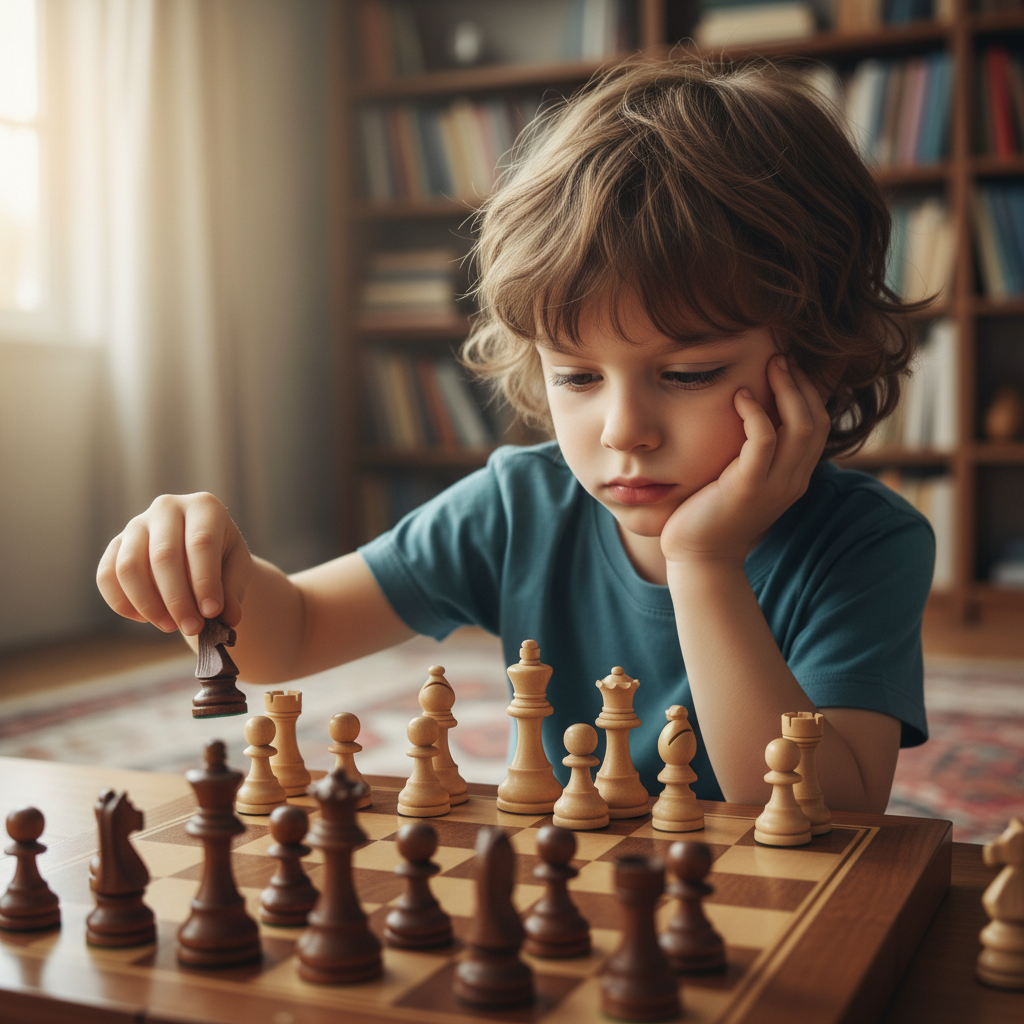
Playing chess for shy children confidence helps them develop self assurance through a quiet environment that rewards analytical thinking over social performance. By mastering strategic puzzles and making independent decisions, children earn respect through their skills and build a resilient sense of self worth.
Many parents feel a quiet pang of worry when they watch their thoughtful child retreat from the boisterous energy of traditional team sports. In environments where the loudest voices often command the most attention, a shy child may struggle to find their footing or realize their potential. At Kingston Junior Chess, we believe that silence is not a barrier to success; it is frequently the hallmark of a focused strategist. The chessboard provides a unique arena where careful observation is a primary strength rather than a social disadvantage. This post explores how chess fosters a robust sense of competence and simplifies the complexities of social interaction for anxious children. You will discover why the game rewards the quiet observer and find practical advice for transitioning your child from the living room to the confidence-building environment of a local club.
The Loudness Gap: Why Traditional Youth Activities Can Overwhelm Shy Children
Finding the right after-school activity in Kingston upon Thames can feel like navigating a minefield for parents of introverted children. From the high-energy rugby pitches of local parks to the bright lights of youth theatre, many traditional options rely heavily on vocal presence and physical dominance. In a borough where academic expectations are high and social competition starts early, the pressure to perform can be overwhelming for a child who naturally prefers the sidelines.
This creates what we call the Loudness Gap. While team sports and performing arts are valuable, they often equate confidence with noise. For a shy child, being forced into these high-stimulus environments can lead to withdrawal rather than growth. The expectation to be the loudest or fastest often ignores the child who finds their strength in reflection. At Kingston Junior Chess, we view shyness not as a trait to be cured, but as a temperament that is uniquely suited to strategic mastery.
Chess provides a platform where being quiet is actually a competitive advantage. It is one of the few spaces where a child can excel through silence, using their natural tendency to observe and reflect to outmaneuver an opponent. Instead of demanding a loud voice, the game rewards the sharpest mind and the most patient eye. If you are looking for a community that values these quiet strengths, you can book a session to see how our structured environment supports different personality types without the pressure of the limelight.
Why the Chessboard Rewards the Quiet Observer
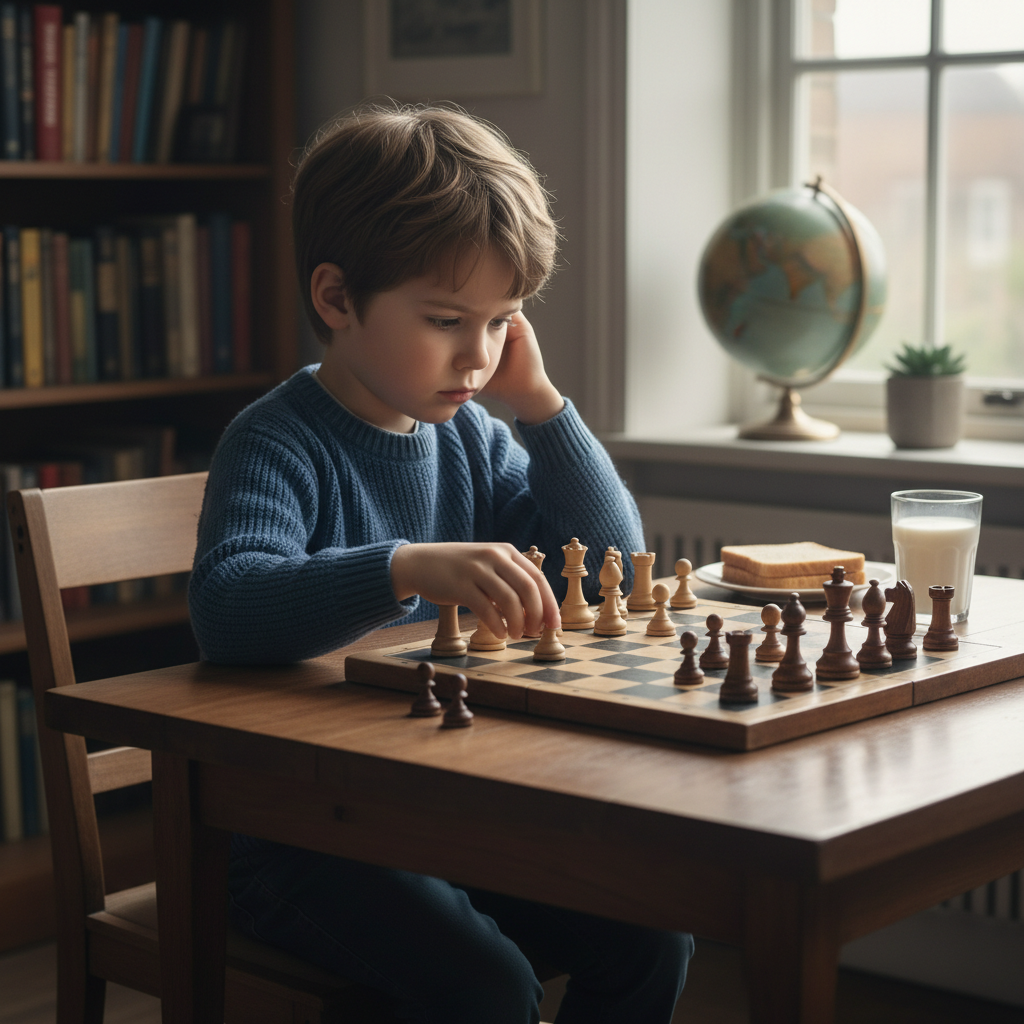
While a chaotic playground rewards the child who can shout the loudest or run the fastest, the chessboard is a meritocracy of focus. The mechanics of the game are uniquely aligned with introverted traits. In most team activities, success is tied to physical dominance or vocal leadership. In chess, the most powerful tool is the ability to sit still, observe the landscape, and process information internally before making a move. For a child who naturally prefers to watch from the sidelines, this shift in dynamic is transformative.
In technical chess terms, the quiet observer is often engaging in what masters call prophylactic thinking. Prophylaxis is the art of identifying and preventing your opponent’s plans before they even happen. A shy child’s tendency to pause and scan for danger rather than rushing in is a high-level strategic asset. By anticipating threats and asking, "What is my opponent trying to do?", they are practicing a form of empathy and foresight that many louder, more impulsive children struggle to master. This patience ensures they don't just react to the board, but actively shape it through careful, measured responses.
This transition from the playground to the club environment is significant. Our sessions at Kingston Junior Chess provide a sanctuary from the high-decibel expectations of typical youth clubs. Instead of the pressure to perform for an audience, children find a space defined by respectful silence and mutual concentration. In this setting, their quietness is not seen as a lack of engagement but as a sign of deep tactical immersion. Through expert coaching, we help students refine these observational instincts, showing them that their natural inclination to think twice is exactly what makes them a formidable opponent. By using chess for shy children confidence grows because the game validates their innate temperament, turning what was once a social hurdle into a competitive edge.
Building Confidence Through Competence: The I Can Solve This Mindset
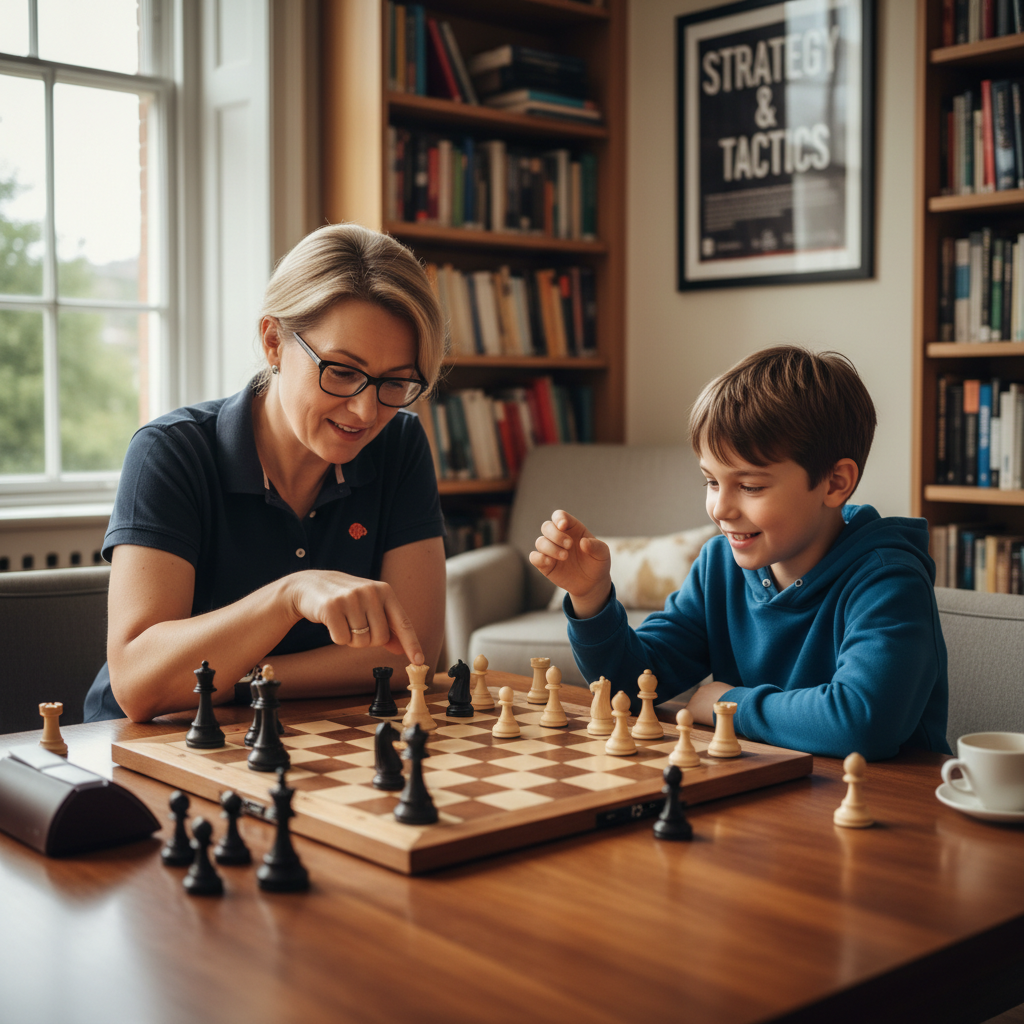
Building confidence in an introverted child is rarely about encouraging them to speak louder; it is about strengthening their belief in their own capabilities. This psychological concept, known as self-efficacy, is the foundation of the "I can solve this" mindset. In a high pressure environment like Kingston, where children are often measured by their public performance in school or sports, chess offers a unique sanctuary of private mastery. Here, competence is built move by move, providing a tangible sense of achievement that does not depend on social approval or a loud presence.
When a child solves a difficult chess puzzle, they receive immediate, objective feedback. There is no need for a teacher to verify the answer or for a teammate to offer a high five; the logic of the board itself confirms the success. For a shy child who may dread being the center of attention, this internal validation is incredibly powerful. They learn that they can tackle complex problems and emerge successful through their own mental efforts. A successful tactical sequence, such as a perfectly timed pin or a double attack, becomes a private trophy that reinforces their sense of agency.
However, the path to mastery can sometimes feel daunting. This is where expert coaching plays a vital role in bridging the gap between "I can’t" and "I just did." By breaking down intimidating grandmaster strategies into digestible patterns, our coaches help children navigate the frustration of a difficult position. As they learn to decode the board, their self-doubt is replaced by a systematic approach to problem solving. Through this process, chess for shy children confidence grows not through external praise, but through the quiet, consistent proof of their own growing skill.
Structured Socializing: How Chess Simplifies Social Interaction for Anxious Kids
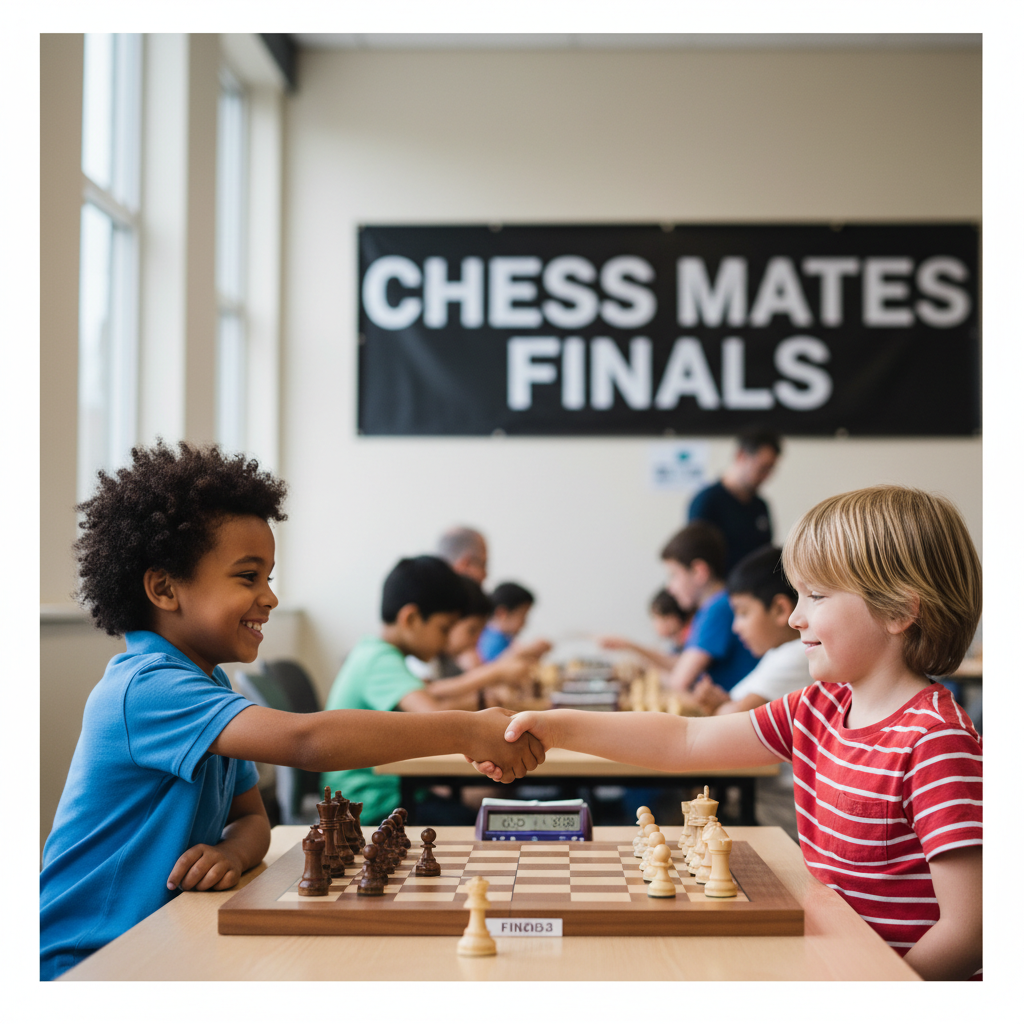
Social anxiety often stems from the unpredictable nature of peer interaction. In many Kingston youth groups, the 'waiting around' or the pressure to join a conversation is the most stressful part of the afternoon. Chess eliminates this ambiguity by providing a rigid social script that every player follows. Before a single piece is moved, players exchange a handshake and a simple 'good luck.' During the game, verbal communication is minimal, replaced by the mechanical rhythm of the clock and the intentional placement of pieces. This predictability allows an anxious child to participate fully without the burden of small talk or the fear of social missteps.
The etiquette extends beyond the final move. We encourage a post-game review where players look at the board together to discuss what happened. This structured interaction shifts the focus from the individuals to the objective logic of the positions. It is a shared intellectual task, not a social performance. At Kingston Junior Chess, we maintain this environment so that children feel part of a community without ever being forced to take center stage. For those wondering how we manage these sessions, our frequently asked questions page provides more detail on our club's specific routine. Using chess for shy children confidence levels improve because the social expectations are clear, finite, and safe.
Does Chess Help with Anxiety and ADHD in Children?
While chess is not a medical intervention, we frequently observe its role as a practical behavioral tool for children managing anxiety or ADHD. For an anxious child, the board functions as a mental anchor. In a borough where academic and social expectations can feel relentless, the chessboard offers a closed system with fixed, predictable rules. A child's focus shifts from vague, internal worries to the concrete, external problem of a tactical puzzle or a defensive maneuver. This narrow, intense concentration provides a reprieve from the noise of anxiety, allowing them to feel in control of a specific, manageable world.
For children with ADHD, the game provides the immediate feedback necessary to practice impulse control. Every move carries a visible consequence. If a player moves impulsively without scanning the whole board, the loss of a piece serves as an instant, non-judgmental correction. This feedback loop encourages the child to pause, look, and think before acting. Through expert coaching, students learn to replace reactive moves with calculated ones, strengthening their executive function in the process. As this self-regulation improves, using chess for shy children confidence develops naturally because the child realizes they have the mental tools to master their own attention even in complex situations.
From the Living Room to the Club: Tips for Parents of Shy Children
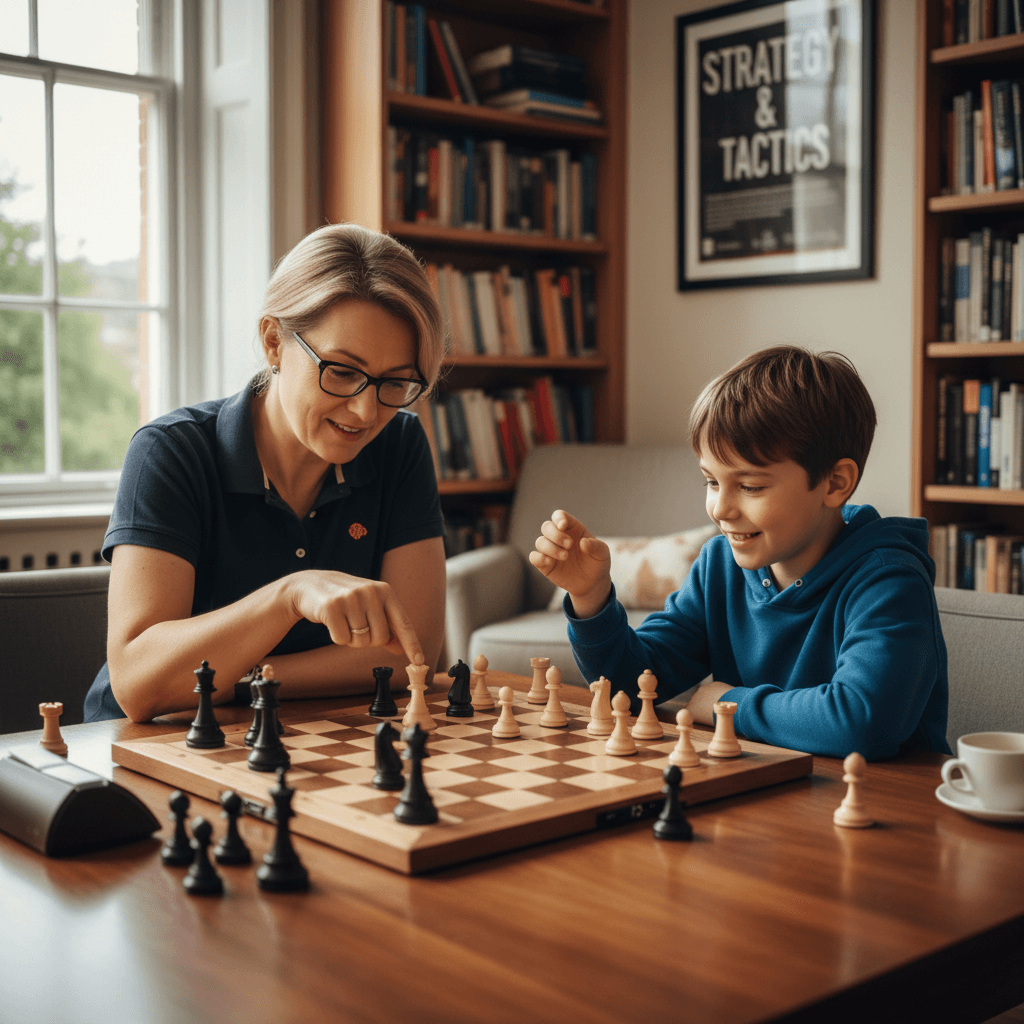
Moving from the kitchen table to a formal club environment is a significant step for an introverted child. To make this transition easier, start by introducing the game in a low-stakes setting. Playing together at home or using kid-friendly online platforms allows your child to learn the mechanics and experience losing without any social pressure. For a local outing that balances public space with a quiet atmosphere, visit the Kingston Library. It is an ideal spot for a focused practice game in a setting where silence is already the expected norm.
When you feel they are ready for more structured play, the first session at Kingston Junior Chess is designed to be intentionally low-pressure. Newcomers are not expected to perform or speak in front of a group. Instead, they are introduced to a peer of a similar skill level for a friendly game. A coach provides gentle guidance, ensuring the child feels supported rather than tested. To help your child prepare mentally, you can review our frequently asked questions, which outline exactly what to expect during our weekly meetings. By gradually increasing the social scale, using chess for shy children confidence builds at a pace that feels safe. If you want to take that first step in a local, supportive environment, you can book a session to see how we foster talent through quiet concentration.
Chess offers a unique, quiet space for shy children to flourish at their own pace. By focusing on strategy rather than social pressure, they build the internal confidence needed to succeed in all areas of life. While supporting your child at home is a wonderful start, structured guidance can help unlock their full potential. If you want expert help creating a supportive environment for your young player, you can find more information about our coaching philosophy and programs.