The four power moves to win more games include forks, pins, skewers, and discovered attacks. Mastering these essential chess tactics for kids allows young players to capture material and set up checkmates by identifying opponent weaknesses. Focusing on these patterns helps beginners transition from simple piece movement to strategic middlegame dominance.
Watching a child master the basic moves of chess is a proud moment for any parent, yet that initial excitement often fades when they begin losing games to simple, avoidable blunders. Many young players rely on "hope chess," where they move a piece and simply pray their opponent does not capture it. To move beyond this plateau, students must develop tactical vision; this is the ability to recognize winning patterns before they happen. In the competitive world of junior chess, games are rarely decided by complex grandmaster strategy. Instead, they are decided by who spots the first tactical opening. This guide explores the four essential power moves every junior must master: the fork, the pin, the skewer, and the discovered attack. We also introduce the CCT method, a practical framework designed to help students identify winning opportunities on every single turn.
Why Chess Tactics for Kids Are the Key to Success
Richard Teichmann once famously observed that chess is 99 percent tactics. While grandmasters spend years studying deep positional strategy, the reality for junior players in Kingston is much more immediate. Strategy represents your long term blueprint, the plan to slowly improve your position over twenty moves. In contrast, tactics are the short term, high impact sequences that decide games right now.
At our club sessions, we often see games decided by a single oversight. Mastering chess tactics for kids is the most effective way to stop losing pieces for free and begin turning the tide against opponents. Research suggests that between 70 and 90 percent of games at the beginner and club level are won or lost based on tactical errors. By learning these patterns, children develop the ability to spot forcing moves. These are specific actions, like a check or a capture, that leave an opponent with no choice but to respond immediately.
When a student understands how to apply pressure through these forcing sequences, they move beyond simply pushing pieces. They start playing with purpose. Developing this tactical eye through chess coaching for kids transforms the game from a series of random events into a calculated pursuit of victory.
The Fork: Attacking Two Pieces at Once
One of the most satisfying chess tactics for kids to master is the fork. In essence, a fork is a double attack where one of your pieces threatens two or more of your opponent’s pieces at the same time. While a simple attack involves targeting a single piece, which the opponent can usually move to safety, a fork creates an immediate crisis. Because a player can only move one piece per turn, they are forced to choose which one to save, typically resulting in the loss of the other.
While any piece can execute a fork, the Knight is undoubtedly the king of this tactic. Its unique L shaped move allows it to jump over other pieces and land on squares that strike targets from an angle they cannot defend against. A Knight fork targeting both the King and Queen simultaneously is often a game ending blow, leaving the opponent with the sinking feeling of an unavoidable loss.
For parents helping their children with chess practice resources, a practical tip is to encourage them to look for "magic squares." Ask your child to scan the board for any empty square where their piece could look at two of the opponent's pieces at the same time. This shift in perspective, looking at the destination square rather than just the current position of the piece, is a hallmark of improved tactical vision. During our sessions in Kingston, we see students' faces light up when they realise they have trapped a more powerful piece through this simple geometric trick. Unlike a basic attack, which is merely a nudge, a well placed fork is a knockout punch that junior players use to gain a decisive advantage.
The Pin: How to Get Your Opponent Stuck
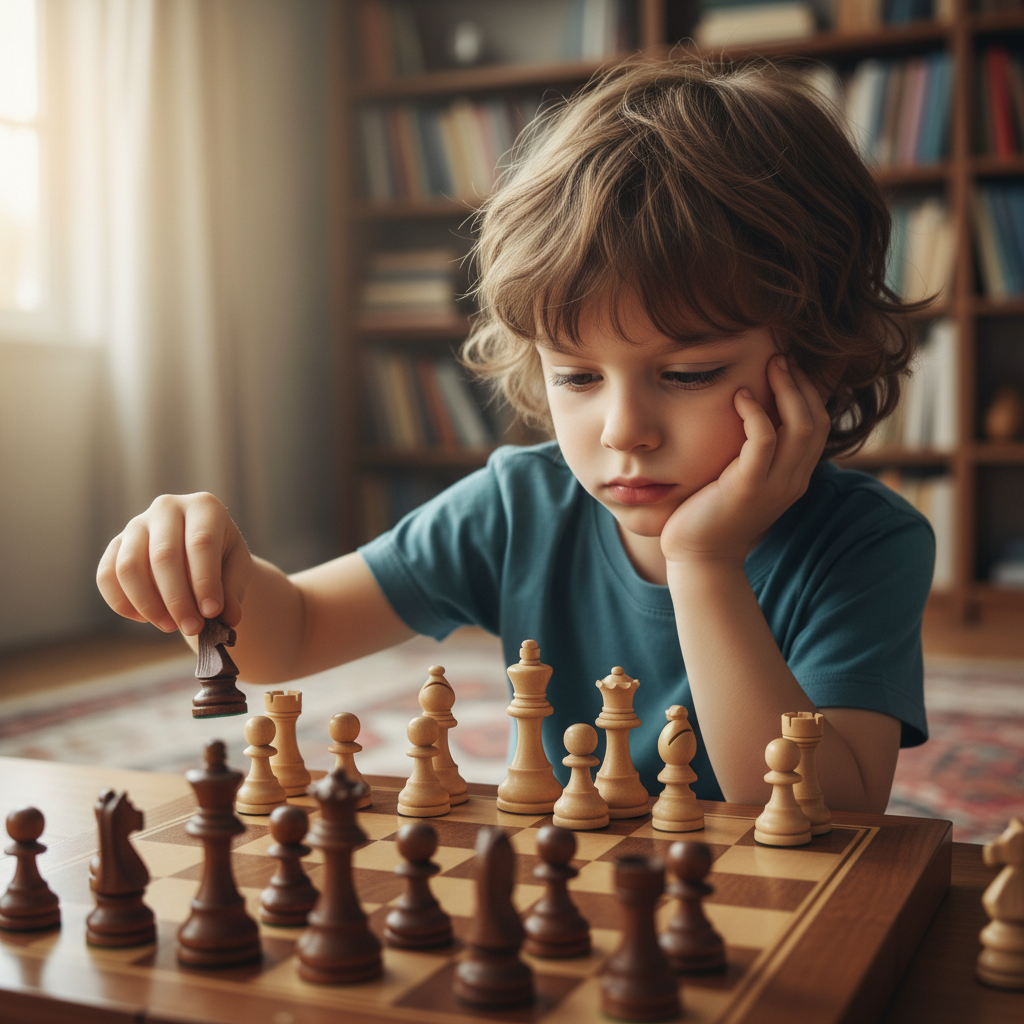
If a fork is a knockout punch, the pin is a paralysis spell. In the world of chess tactics for kids, a pin occurs when an attacking piece creates a line of fire toward a valuable target, but an opponent's piece is standing in the way. The piece in the middle is pinned to the piece behind it. It acts like a shield, unable to move without exposing the more valuable piece to capture.
We categorize pins into two distinct types. An Absolute Pin is the most restrictive; this happens when the piece hiding behind the shield is the King. Because it is illegal to move into check, the pinned piece is physically stuck to its square and cannot move under any circumstances. A Relative Pin is slightly different. Here, the piece behind is not the King, but perhaps a Queen or a Rook. While the rules of the game allow you to move the shield, doing so would result in losing a much more powerful piece on the next turn. It is legal, but usually a very bad idea.
During our chess coaching for kids sessions in Kingston, we teach students to look for these opportunities early in the game. The Bishop is the most common tool for this tactic in the opening, often pinning a Knight against a King or Queen along a long diagonal. To spot these, players should use their chess practice resources to learn how to scan the board for any three pieces that stand in a straight line. If your long range piece is at one end and a high value target is at the other, you have found the perfect spot to immobilize your opponent. Mastering this allows a player to control the flow of the game without even making a capture.
The Skewer: The Reverse Pin Tactic
While a pin traps a piece by putting a shield in front of it, the skewer operates in the opposite direction. A common question among parents is how to tell these two apart. The easiest way to remember is through the shish kebab analogy: in a skewer, the most valuable piece is at the front of the line, while the less valuable piece is behind it.
Because the more powerful piece is attacked directly, it is usually forced to move to safety, leaving the piece behind it wide open for capture. A classic example we teach at Kingston Junior Chess involves a Rook and a King. Imagine a Rook checking the opponent’s King on a long file. If the opponent’s Queen is standing on the same file directly behind the King, the King must move to get out of check. As soon as the King steps aside, your Rook captures the Queen on the next turn.
This is one of the most devastating chess tactics for kids to learn because it turns an opponent's strength into a liability. In junior chess tournaments, skewers often occur in the endgame when Kings are forced into the open. Developing the vision to see these lines across the board is a core part of our chess coaching for kids. By using chess practice resources to study these patterns, players learn to look past the first piece and see the hidden targets waiting behind.
The Discovered Attack: The Hidden Surprise Move
While skewers and pins rely on visible lines across the board, the discovered attack is the chess world’s version of a trapdoor. This maneuver creates a two for one threat that often catches opponents completely off guard. To execute this, you simply move a piece that is blocking the line of fire of a Rook, Bishop, or Queen. By stepping the front piece out of the way, you reveal a hidden attack from the piece standing behind it.
Junior players at our Kingston sessions particularly enjoy this tactic because the piece being moved can simultaneously create its own threat, such as attacking a Knight or threatening a checkmate. This forces the opponent to deal with two separate problems at once, which is a hallmark of advanced chess tactics for kids. The most potent version of this is the double check. When the piece that moves gives a check and the revealed piece also gives a check, the opponent is legally required to move their King. They cannot block or capture both attacking pieces at the same time, making it the ultimate forcing move.
Mastering these hidden moves through consistent chess coaching for kids helps students develop a deeper sense of board awareness. We often see games in our junior chess tournaments swing instantly when a player uncovers a surprise Rook attack that had been sitting dormant for several turns. By learning to look past the piece in front, children start to see the board as a series of layers rather than just individual squares.
The CCT Method: How to Spot Tactics Every Turn
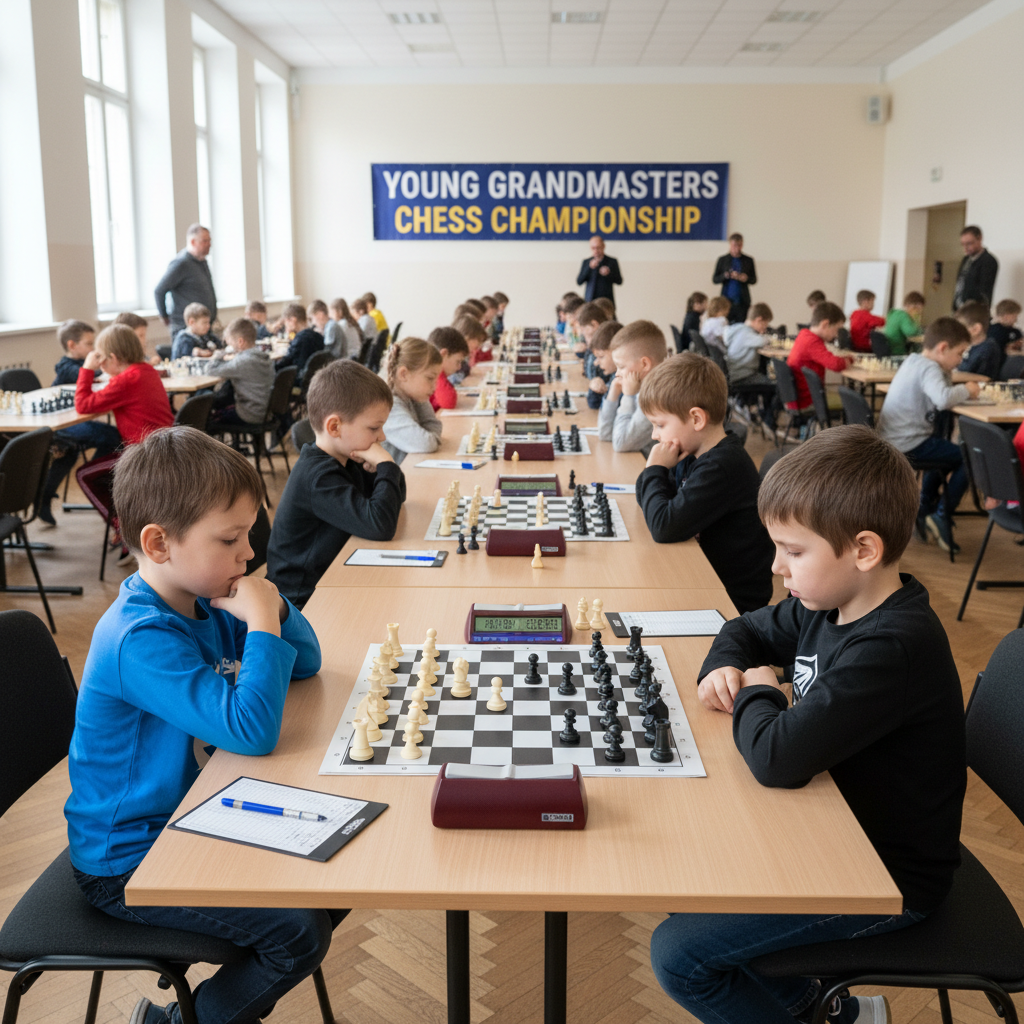
Even when a player understands the mechanics of a fork or a pin, the most common hurdle in junior chess tournaments is recognizing these opportunities before the clock runs out. To bridge the gap between theory and practice, we teach the CCT mnemonic: Checks, Captures, and Threats. This systematic checklist should be performed mentally before every single move to ensure no tactical opportunities are missed.
First, scan for Checks. Since attacking the King is the ultimate forcing move, it often reveals hidden tactics like skewers. Second, look for Captures. Determine if you can take a piece for free or if your opponent is offering a trade that favors you. Finally, identify Threats. This is where you look to set up the power moves discussed earlier, such as lining up a Bishop for a pin or positioning a Knight for a fork. By using this method alongside our chess practice resources, junior players move away from reactive play and toward calculated decision-making. Consistent application of CCT is the most reliable way to avoid blunders and maintain pressure throughout the game.
How to Teach Chess Tactics to a 7 Year Old
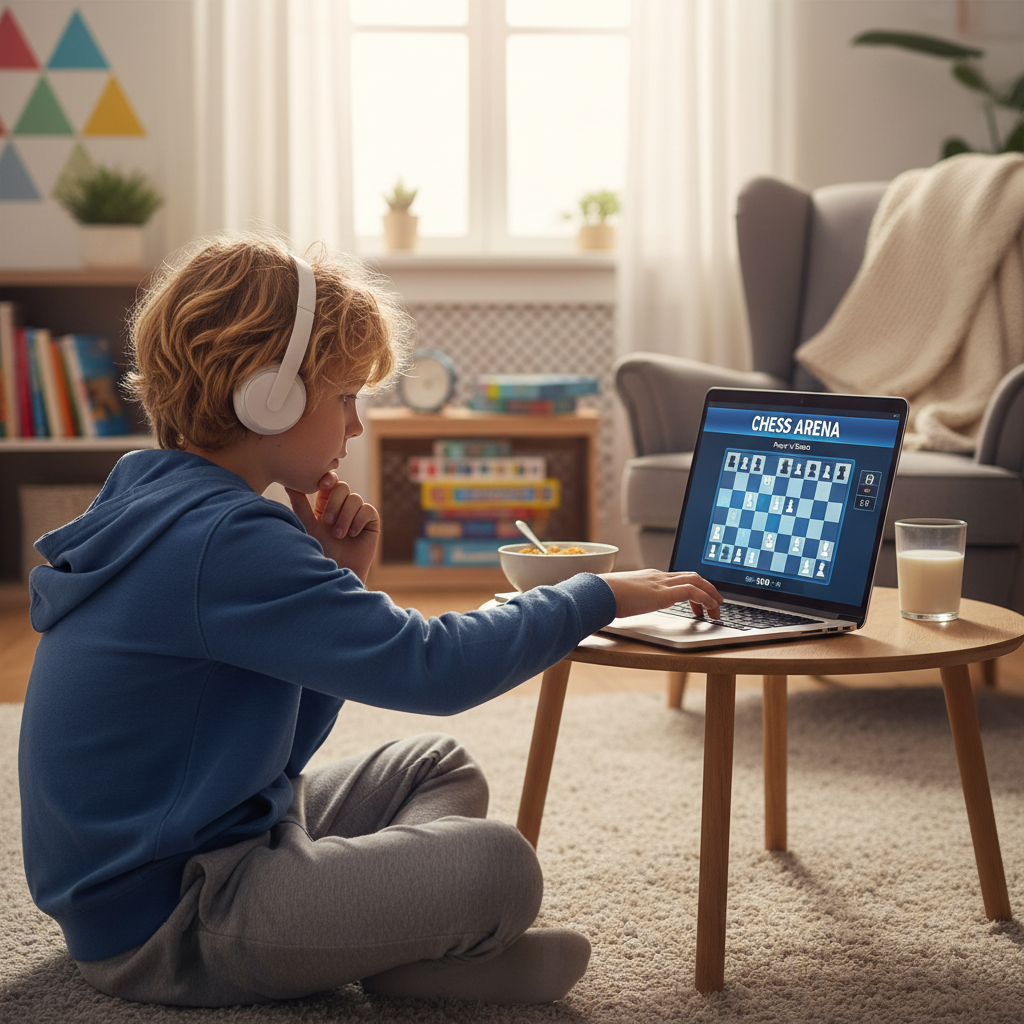
Helping a young player master chess tactics for kids requires a focus on pattern recognition rather than abstract theory. For a seven year old, the most effective approach is using a physical chess board instead of a tablet or computer screen. Handling the pieces helps reinforce the spatial relationships required to spot a fork or a pin in three dimensions.
Keep home practice sessions brief, ideally no longer than fifteen minutes, to match a child’s natural attention span. Focus on just one tactic per week. For instance, spend a week only looking for Knight forks before moving on to skewers. At Kingston Junior Chess, we utilize high volume, specific puzzles that force students to solve the same tactical theme repeatedly. This method builds muscle memory, allowing them to identify these opportunities instantly during junior chess tournaments. Parents can supplement this by using chess practice resources that offer themed worksheets. By breaking down complex ideas into manageable, weekly themes, you provide the foundational chess coaching for kids that turns a casual interest into a lifelong skill.
Practicing Chess Tactics at Kingston Junior Chess
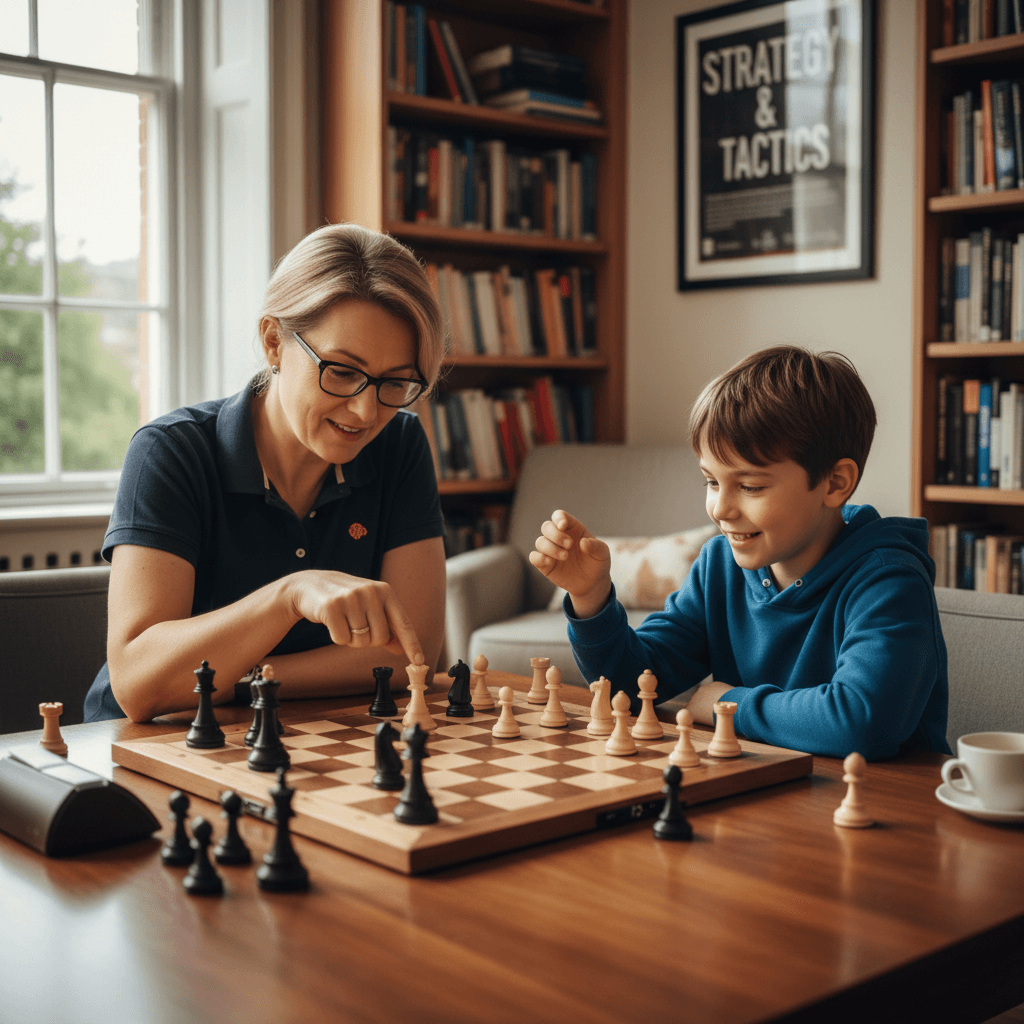
Building on the foundation of home study, our weekly sessions in Kingston upon Thames provide the ideal arena for practical application. In our bright community hall, expert coaches circulate during games to help students recognize the pins and forks they have studied in theory. Real improvement happens when children test their skills in our friendly junior chess tournaments, where they face peers of a similar ability level.
This supportive environment ensures that learning chess tactics for kids becomes a shared experience rather than a solitary chore. By combining structured chess coaching for kids with over the board play, young players transform tactical knowledge into an instinctive winning habit. While chess practice resources are vital for study, there is no substitute for the pressure and excitement of a live game among friends.
Mastering these four essential power moves provides a strong foundation for any young player looking to improve their tactical vision. While independent study is valuable, many students progress more quickly when they have a structured environment and personalized feedback. If you want expert help identifying your strengths or sharpening your competitive edge, feel free to learn more about us and how we support junior players. We are dedicated to helping every student build confidence and find joy in mastering the game.