The most effective methods for how to keep kids motivated in chess include prioritizing social play with peers and using creative storytelling or mini-games to simplify complex strategies. Maintaining a patient, positive attitude and framing losses as valuable learning opportunities ensures that the game remains an enjoyable challenge rather than a source of frustration.
Many parents watch with pride as their child first discovers the magic of the chessboard, yet that initial enthusiasm often wanes once the novelty fades and the tactical complexity increases. It is a common challenge; the transition from casual interest to sustained commitment is where most young players falter. Without the right approach, a child might begin to view the game as a chore rather than a rewarding intellectual pursuit. This guide explores how to navigate these early hurdles by prioritizing social engagement and reframing the inevitable losses as essential tools for resilience. You will discover practical strategies to integrate chess into your home life through gamified practice and consistent weekly routines. We also examine the value of low stakes local competition and the stabilizing influence of professional coaching. By implementing these specific methods, you can help your child scale the first wall of frustration and develop a lasting passion for the game.
Understanding the First Wall: Why Chess Motivation Dips
The first few weeks of a child’s chess journey are typically filled with the excitement of discovery. Learning how a Knight leaps or how a Pawn reaches the end of the board feels like unlocking a secret world. However, every young player eventually hits what we call the First Wall. This is the psychological transition from the novelty phase to the skill building phase. When parents ask why kids quit chess, the answer often lies here; the initial joy of moving pieces gives way to the realization that chess is a deeply challenging mental exercise requiring patience and calculation.
This dip in enthusiasm is rarely a true loss of interest. Instead, it is a natural plateau where the cognitive load increases and the child’s nervous system begins to process the weight of competition. Identifying this as a plateau rather than a lack of talent is crucial for understanding how to keep kids motivated in chess. Generic advice often suggests pushing through with more books or online drills, but these can feel like additional schoolwork to a child who is already feeling the mental strain of learning complex strategies.
At Kingston Junior Chess, we bridge this gap by making progress visible and social within our Kingston upon Thames community. When a child hits a wall at home, they are often alone with a board or a screen. In a club environment, they are surrounded by peers facing the same tactical hurdles. Through expert coaching, we help them reframe the difficulty as a series of solvable puzzles rather than an impassable barrier, ensuring the game remains a source of pride rather than frustration.
Prioritize Social Play over Solo Study
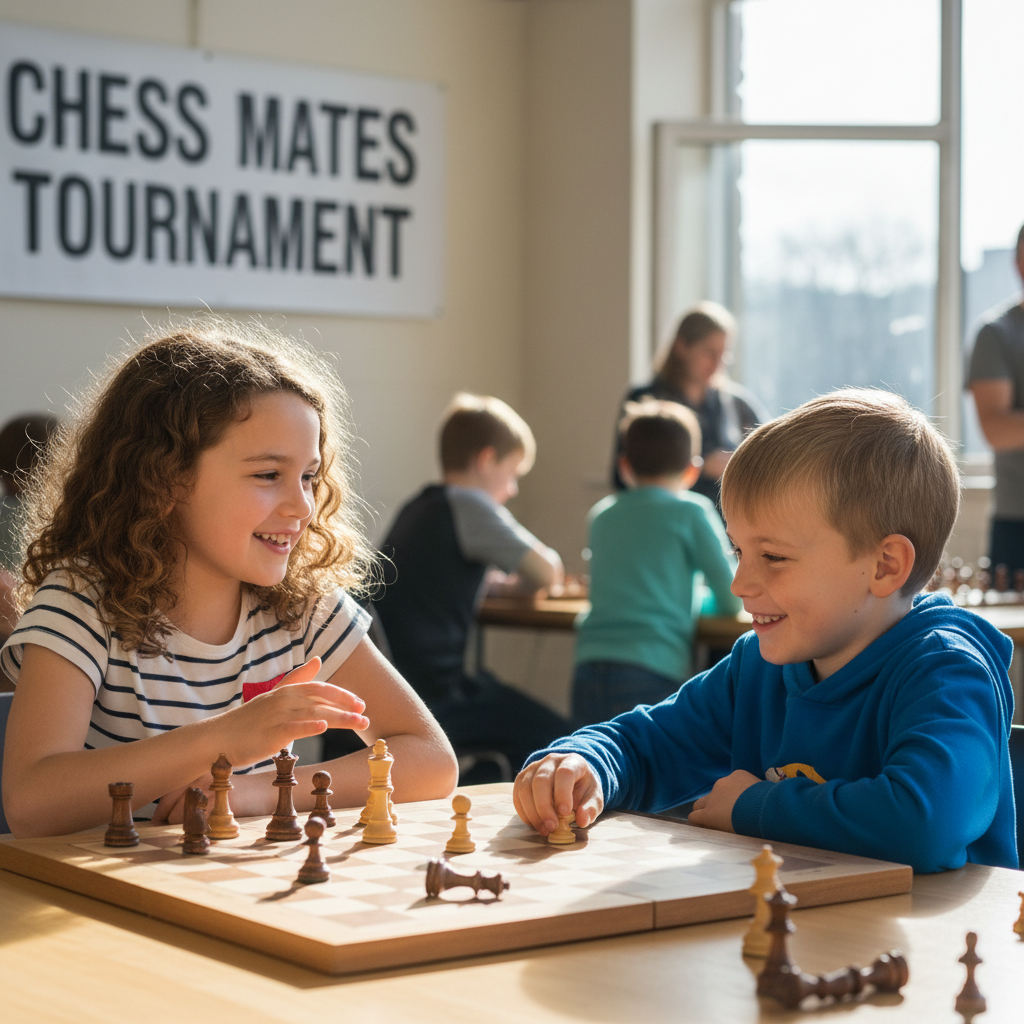
Transitioning through the First Wall requires a fundamental shift in how the game is framed at home and in the community. While textbooks and online drills have their place, research from veteran coaches and chess forums consistently shows that playing with other children is the most effective way to sustain interest. When a child views chess as a silent, library like activity, it risks becoming another chore. To truly master how to keep kids motivated in chess, we must treat the board as a social hub rather than a private study desk.
At Kingston Junior Chess, we utilize our Kingston community hall to transform the game into a weekly hangout. When children meet their friends across the board, the pressure of making the perfect move evaporates. They share jokes between turns, analyze blunders together, and celebrate small victories as a group. Parents often worry about the technical accuracy of their child’s play, but in these early stages, the friendships formed at the board are far more valuable than a perfect opening. Prioritize the social bond over the score sheet. By focusing on the hangout factor, you ensure the child returns to their chess practice at home with a positive association rather than a feeling of isolation.
How to Make Chess Practice at Home Feel Like a Game
Transforming the momentum from the club into a sustainable home routine requires a shift in perspective. Instead of treating the board as a site for long, grueling matches, parents can employ "chess snacks." These are short, five to ten minute bursts of activity that respect a child’s developing nervous system and prevent the burnout associated with heavy cognitive loads. The goal is to keep the experience light and focused on specific, achievable wins.
One of the most effective techniques for this is the grandmaster method of utilizing mini-games. Rather than setting up all thirty-two pieces, try a "Pawn Battle" where the objective is simply to reach the other side of the board with a single pawn. By stripping away the complexity of the Royal pieces, the child masters the fundamentals of movement and blocking without the stress of a full-scale war. You can gradually introduce a single Rook or a pair of Bishops to these scenarios, turning the practice into a manageable, tactile puzzle.
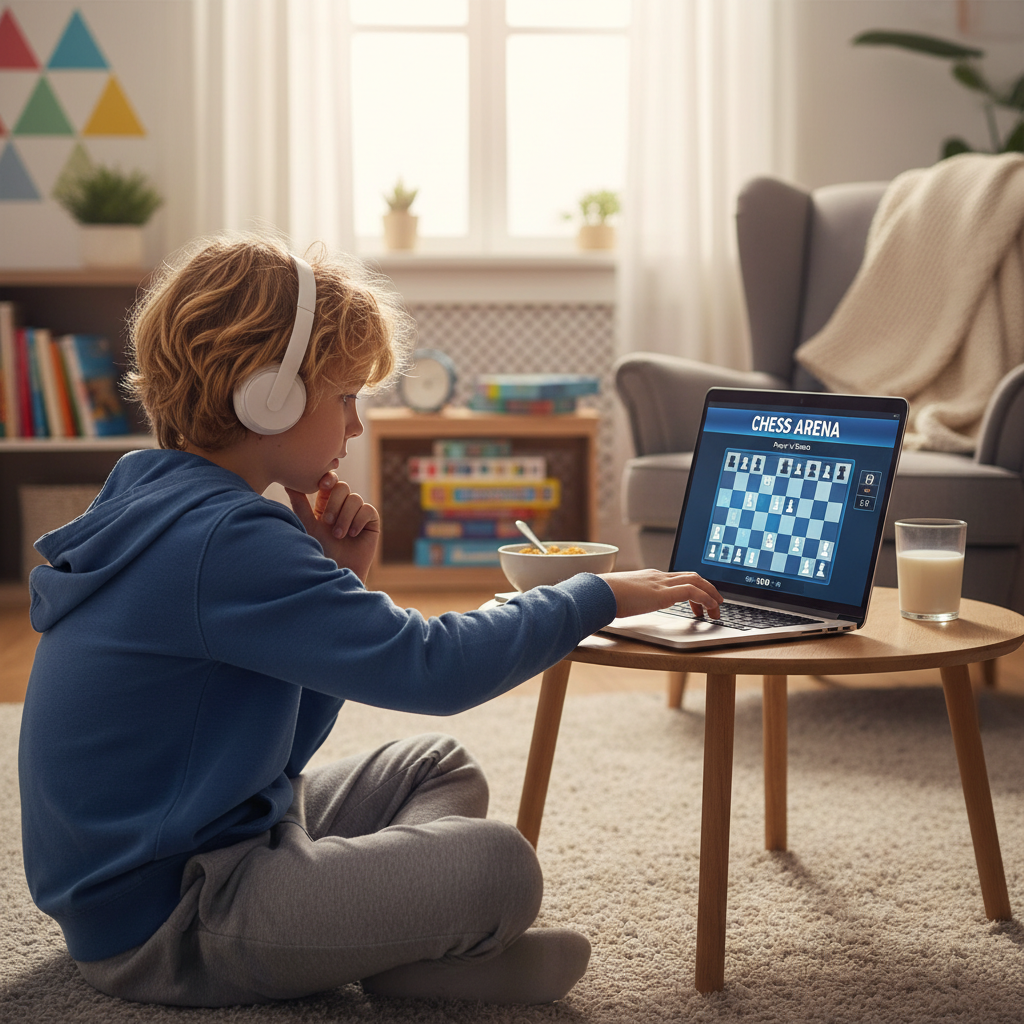
For daily engagement, many successful young players follow the "Four Puzzles a Day" rule. This low pressure approach, often highlighted in chess forums, focuses on tactical patterns rather than game outcomes. Solving a few quick puzzles over breakfast provides a sense of accomplishment that carries through the day without the sting of a potential loss. If a particular puzzle is too difficult, move on; the priority is maintaining a positive connection to the game rather than perfect accuracy.
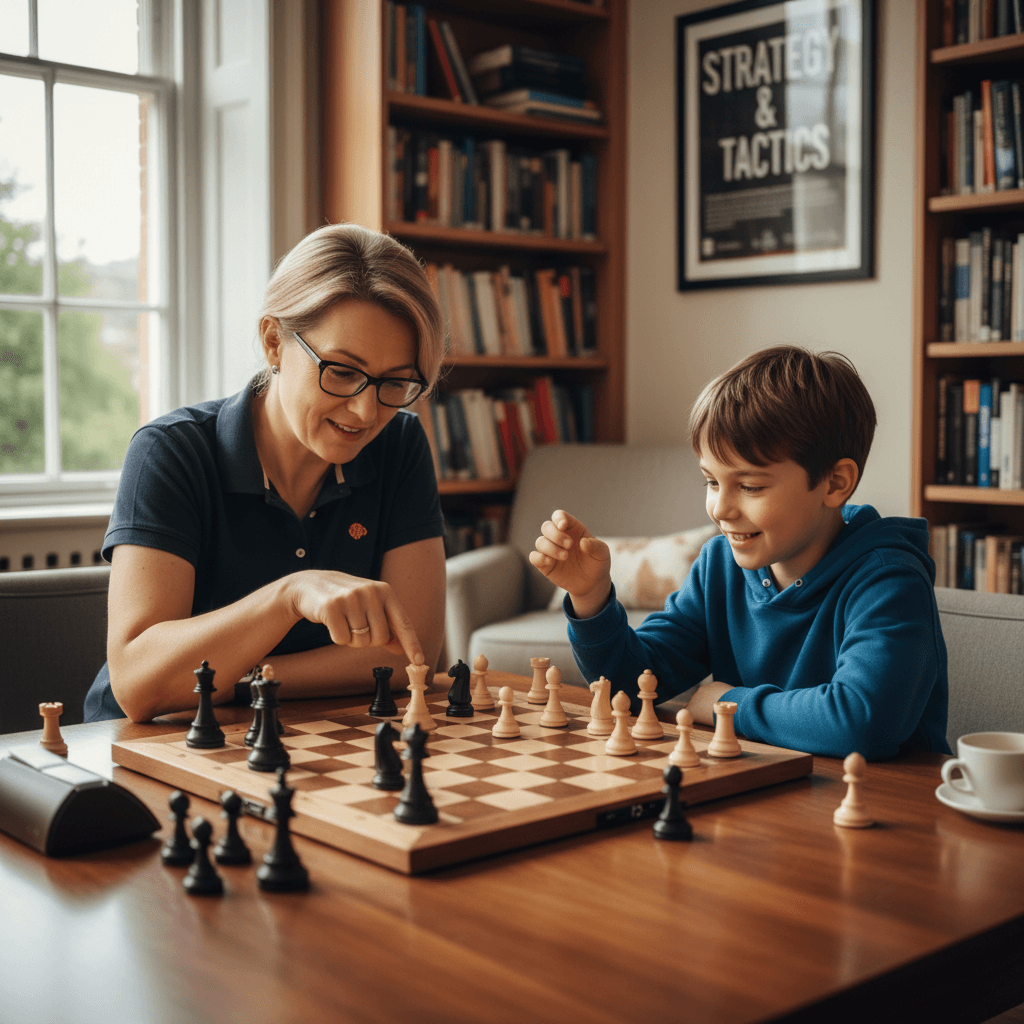
You can also inject narrative into these sessions by using storylines. A Knight isn't just a wooden figure; it is a scout navigating a forest to find a hidden treasure. When these playful elements are combined with expert coaching, the child begins to see chess practice at home as an extension of their social life at Kingston Junior Chess. This variety keeps the game fresh, ensuring that when they return to the club, they arrive with newfound confidence rather than exhaustion.
Reframing the Loss: Resilience as a Motivation Tool
Even with the most engaging chess practice at home, the inevitable sting of defeat remains one of the primary reasons children step away from the board. When parents search for answers on how to keep kids motivated in chess, the underlying issue is frequently the emotional weight of a loss. For a young child, a lost game can feel like a personal failure rather than a tactical setback. It is vital to recognize that a child’s nervous system is still developing; they simply do not yet possess the adult capacity to compartmentalize disappointment. In these high-stakes emotional moments, a parent’s greatest virtue is patience.
To navigate these setbacks, shift the post-game conversation away from the scoreboard and toward the process. Instead of focusing on the outcome, offer praise for specific effort and particular good moves. For example, highlight a well-defended position or a thoughtful sequence of pawn moves. This reinforces the idea that value is found in the quality of thought rather than just the final result. At Kingston Junior Chess, we foster a supportive atmosphere that normalizes losing as an essential part of the learning cycle. We treat each defeat as a shared discovery, helping children understand that every lost game provides a clearer roadmap for improvement than an easy win.
By seeing their peers at the club shake hands and reset their pieces, children learn that losing is not a permanent state. This resilience is further solidified through expert coaching, where we reframe blunders as interesting puzzles to be solved. When the fear of losing is replaced by the curiosity of learning, the child stops fearing the board and starts enjoying the challenge of the game.
Introduce Low Stakes Local Competition
Once a child learns to navigate the emotional weight of losing, introducing low stakes local competition becomes the next logical step in their development. Participating in local Kingston upon Thames tournaments transforms the game from an abstract lesson into a lived experience. This shift from 'learning' to 'applying' is a powerful answer to how to keep kids motivated in chess; it provides a tangible reason to master those tactics practiced during chess practice at home.
When selecting a tournament, prioritize the environment over the prestige of the event. For a beginner, a small club tournament at Kingston Junior Chess is far more beneficial than a high pressure regional championship. The goal is to acclimatize the child to the physical realities of the game: the ticking of the chess clock, the formal handshake, and the focused atmosphere of a tournament hall.
To ensure the experience is positive, focus on these specific goals:
The Clock: Mastering the discipline of hitting the timer after each move.
Notation: Learning to record moves on a scoresheet, which encourages slower, more thoughtful play.
Sportsmanship: Practicing the pre-game and post-game handshake regardless of the outcome.
By focusing on the process of competing rather than the hunt for a trophy, children see their growth in real time. If they feel challenged but not overwhelmed, they return to their expert coaching sessions with specific questions and a renewed drive to improve. To get started in a supportive environment, you can book a session to join our next internal club ladder match.
The Role of Expert Coaching in Sustaining Interest
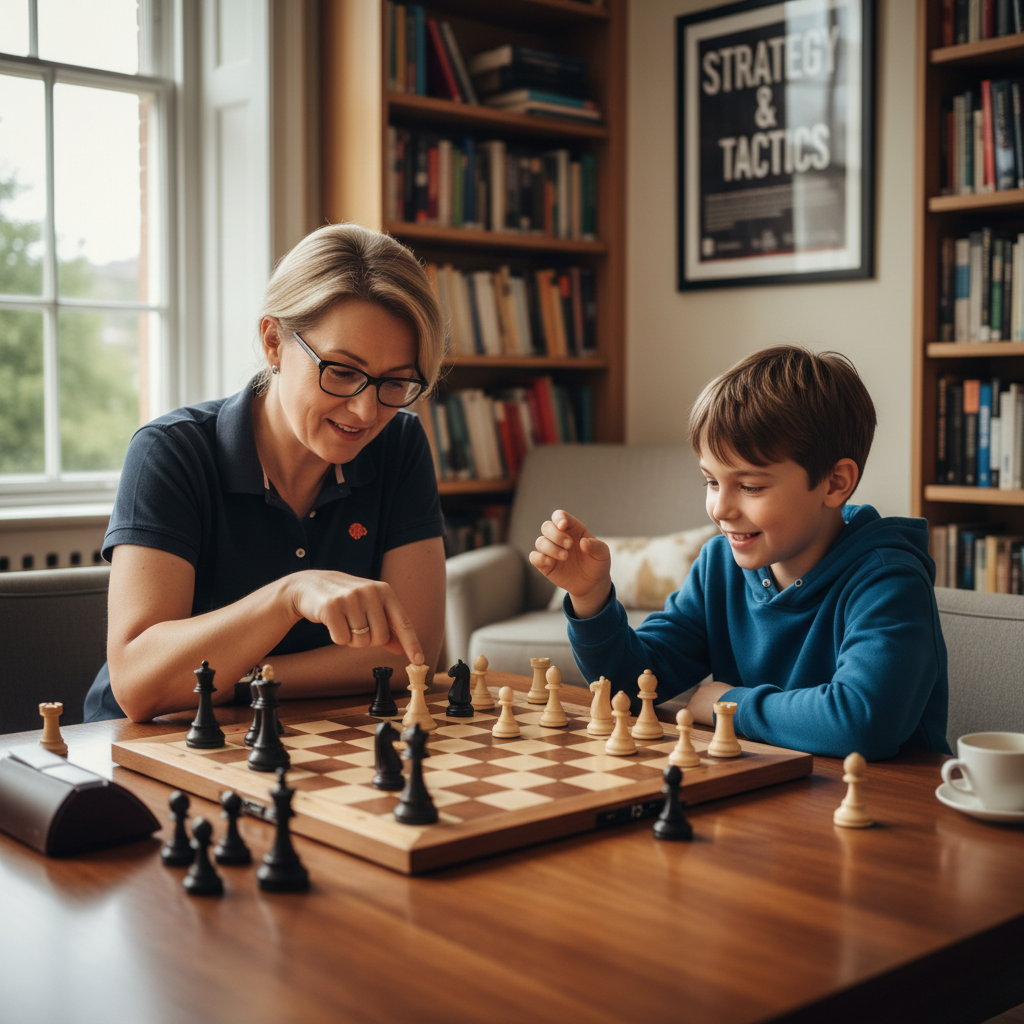
While parents are often the first to introduce the board, there comes a point where the "parent as teacher" dynamic creates unnecessary friction. When a child begins to push back against home instruction, it is usually a sign to transition toward professional guidance. A coach acts as a vital third party authority, removing the emotional baggage of family expectations and replacing it with a structured, objective path. This shift is a key strategy in how to keep kids motivated in chess; it transforms the game from a domestic debate into a serious, yet enjoyable, craft.
At Kingston Junior Chess, our expert coaching sessions are designed to move beyond the repetitive drills sometimes found in chess practice at home. We utilize themed weekly meetings that rotate through specific technical areas, such as foundational openings, middle game tactics, and endgame patterns. This variety ensures the curriculum remains fresh, preventing the boredom plateau that occurs when a child feels they are simply repeating the same moves. By providing a clear roadmap of what comes next, a coach makes progress feel tangible and earned. If your child is ready to move from casual play to a more structured environment, you can book a session to experience our coaching firsthand.
Establishing a Consistent Weekly Chess Rhythm
Establishing a steady cadence is the most effective way to sustain interest long term. When chess becomes a fixed point in the weekly calendar, it bypasses the mental resistance often found during chess practice at home. A set evening at our club functions like a weekly football training session; it is a non negotiable commitment that eliminates the decision fatigue of choosing between the board and a screen.
This routine helps solidify a child's self image. By regularly engaging with the Kingston upon Thames chess community, they stop being a student who occasionally plays and start identifying as a "chess player." This shift in identity is the ultimate motivator, grounding their effort in a sense of belonging and purpose. You can book a session to integrate our expert coaching into your child’s weekly rhythm and help them anchor this new identity.