A structured routine for kids involves a three step cycle of studying basic strategies, solving tactical puzzles, and playing focused matches to reinforce new skills. Effective chess game practice should prioritize controlling the center and developing pieces; parents can support growth by reviewing games together to identify and fix mistakes. This simple habit of study, play, and analysis builds long term improvement through consistent repetition.
Many parents watch their children sit down for a chess game practice only to see them rush through moves or lose focus within minutes. Without a clear plan, home sessions often devolve into repetitive mistakes that hinder a young player's progress rather than fuel it. Consistent improvement in chess depends on deliberate practice; it requires a balance between tactical puzzles, competitive play, and thoughtful reflection. When a junior player follows a reliable routine, they develop the discipline needed to see complex patterns and maintain composure during tournament play. This guide outlines a practical sixty minute schedule designed for parents to run at home. You will learn how to integrate a tactical warmup, structure a purposeful training game, and conduct a simple review process. We will also explore ways to finish with fun variants to keep your child engaged and ready for their next session at Kingston Junior Chess.
Why a Structured Chess Game Practice Routine Matters for Junior Players
Many young players in Kingston upon Thames start their journey with enthusiasm, but quickly find their progress stalling. This plateau often occurs because there is a fundamental difference between playing for fun and intentional chess game practice. While casual games are vital for enjoyment, improvement requires a shift from simply moving pieces to a disciplined cycle of studying, practicing, and fixing mistakes.
Consistency consistently beats intensity in skill development. A child who engages in a short, structured chess practice routine three times a week will see significantly more growth than one who plays for five hours straight once a month. At home, we recommend adapting the professional 40, 40, 20 rule to keep sessions balanced; spend 40% of the time on tactical patterns, 40% on opening and middlegame concepts, and 20% on the technical endgame.
Without this balance and a period of reflection, kids tend to repeat the same tactical errors. At Kingston Junior Chess, we see our role as helping parents bridge the gap between these home sessions and the high-energy environment of junior chess tournaments. By providing expert coaching and a community of peers, we help students turn their home study into competitive results.
The 60 Minute Home Practice Schedule: A Quick Overview
To bridge the gap between casual play and improvement, a 60 minute chess game practice session provides a predictable framework that balances intensity with enjoyment. You do not need to be a grandmaster or even a seasoned player to facilitate this routine; your role is to act as a timekeeper and facilitator, ensuring the child stays focused on the task at hand. This structured chess practice mirrors the methodology we use during our expert coaching sessions in Kingston, distilled into a format that works around school runs and homework.
A typical one hour session follows this clear sequence:
00 to 15 Minutes: Tactical Warmup. Solving puzzles to sharpen pattern recognition and wake up the brain.
15 to 45 Minutes: The Training Game. Focused, active play, ideally using a clock to simulate the environment of junior chess tournaments.
45 to 55 Minutes: The Mini Review. A short period of reflection to identify what went well and what could change.
55 to 60 Minutes: The Fun Finish. A quick chess variant or mini-game to ensure the session ends on a positive note.
By sticking to this schedule, you ensure that every minute spent at the board contributes to their long term development while keeping the atmosphere light and productive.
Step 1: The Tactical Warmup: Sharpening the Pattern Recognition
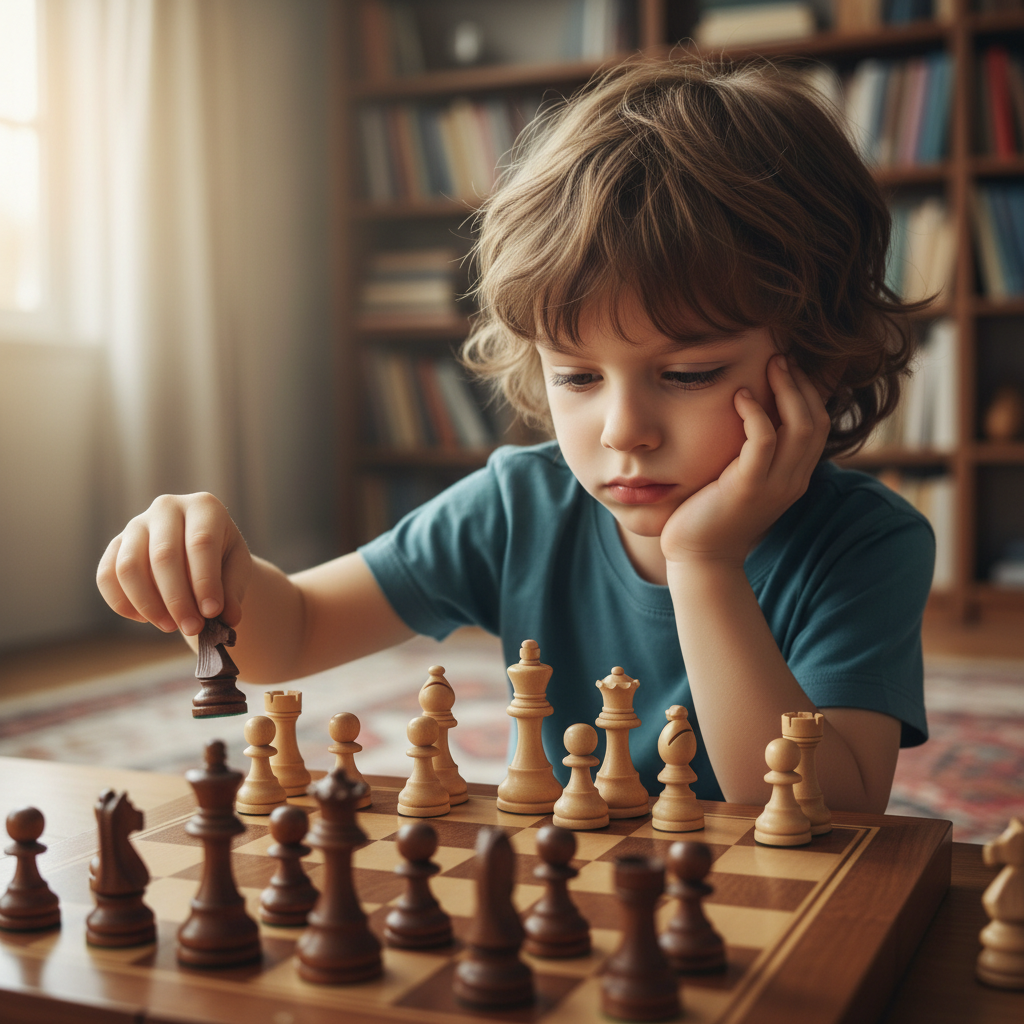
The first fifteen minutes of any effective chess game practice session should focus exclusively on tactics. Think of these puzzles as the scales of chess. Just as a pianist plays basic finger exercises to warm up before a complex concerto, a junior player needs to trigger their brain’s pattern recognition before diving into a full game. Starting with five to ten puzzles helps clear mental fog and sets a tone of concentration.
When children are starting out, encourage them to solve these puzzles without a timer. The goal is accuracy and confidence, not speed. Speed will naturally develop once the patterns become second nature. We recommend focusing on foundational tactical themes like forks and pins, which are covered extensively in our Mastering Chess Tactics guide. By identifying these patterns in a controlled warmup, they are far more likely to spot them during the pressure of junior chess tournaments. This is a technique we emphasize in our expert coaching sessions to ensure students don't just guess moves but actually calculate the sequence.
While digital platforms like ChessKid offer excellent curated puzzles, we often advise parents in Kingston to utilize physical books and a real chessboard. Setting up a position by hand forces the child to engage more deeply with the geometry of the board and provides a much-needed break from school-day screen time. If you do use an app, ensure it is a purposeful part of their structured chess practice rather than a passive scrolling experience. This focused start ensures the mind is sharp and ready for the more demanding active play segment that follows.
Step 2: The Training Game: Focused Play with a Purpose
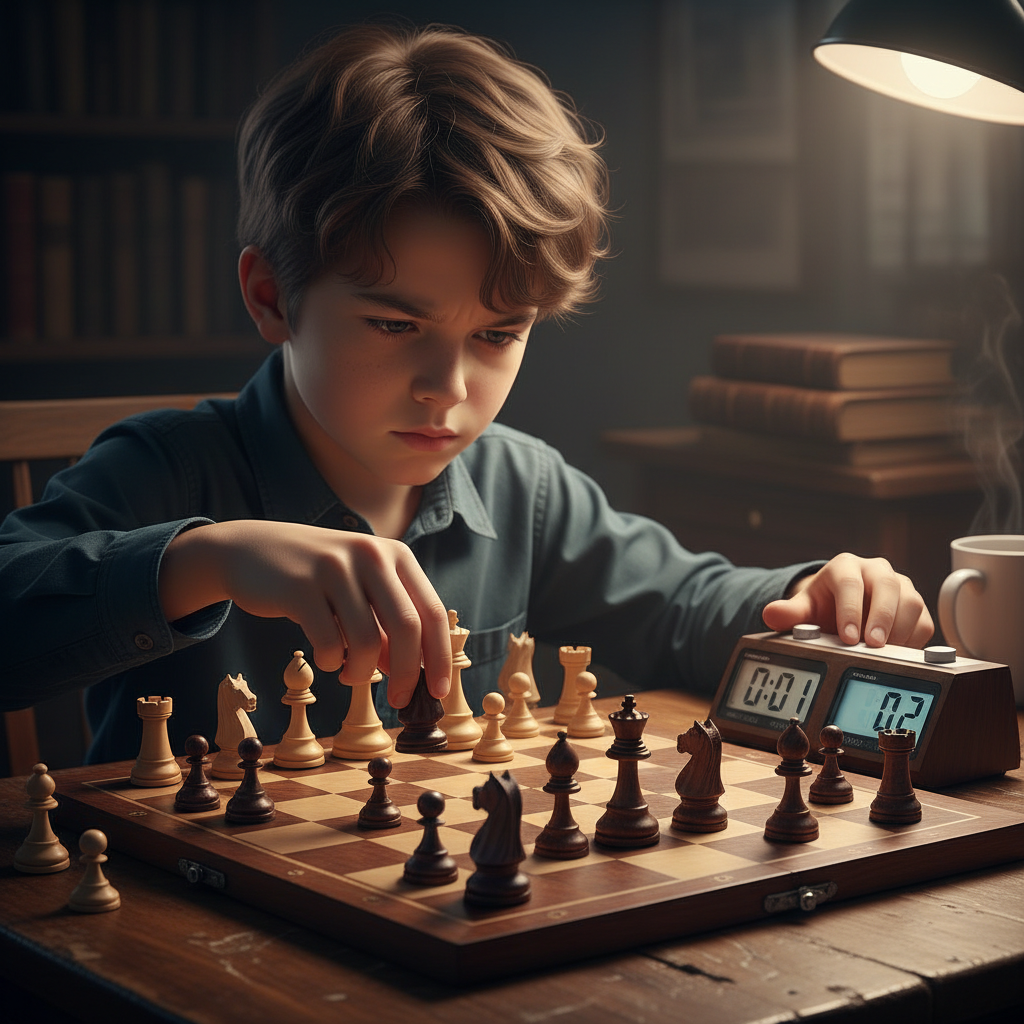
Once the brain is firing from the tactical warmup, move into a 30 minute training game. This is the core of their chess game practice. To avoid the plateau of mindless play, assign a specific mission for the session. Rather than just trying to win, instruct the child to focus on a strategic theme, such as developing all major pieces before attacking or maintaining a solid pawn structure around the king. This shifts the focus from the result to the process, a key element of structured chess practice.
Introduce a chess clock during this segment to build time management skills. We frequently see young players at our junior chess tournaments struggle not because they lack skill, but because they have never managed a ticking countdown. Using a clock at home desensitizes them to time pressure. Aim for a time control like 15 minutes per side. This teaches them to balance deep calculation with the practical need to keep the game moving, a skill often refined during expert coaching sessions.
When a physical opponent is not available at home, chess game practice online serves as a useful alternative. Digital platforms allow kids to find opponents of a similar skill level at any hour. However, prioritize over the board play whenever possible. Moving physical pieces across a 3D space helps develop spatial awareness and better mimics the environment of a real club. If you must use a screen, ensure the child still treats it as a formal training game rather than a series of rapid fire, impulsive matches. The goal is focused, intentional play that mirrors the conditions they will face in a competitive Kingston environment.
Step 3: The Mini Review: How to Analyze Without Being an Expert
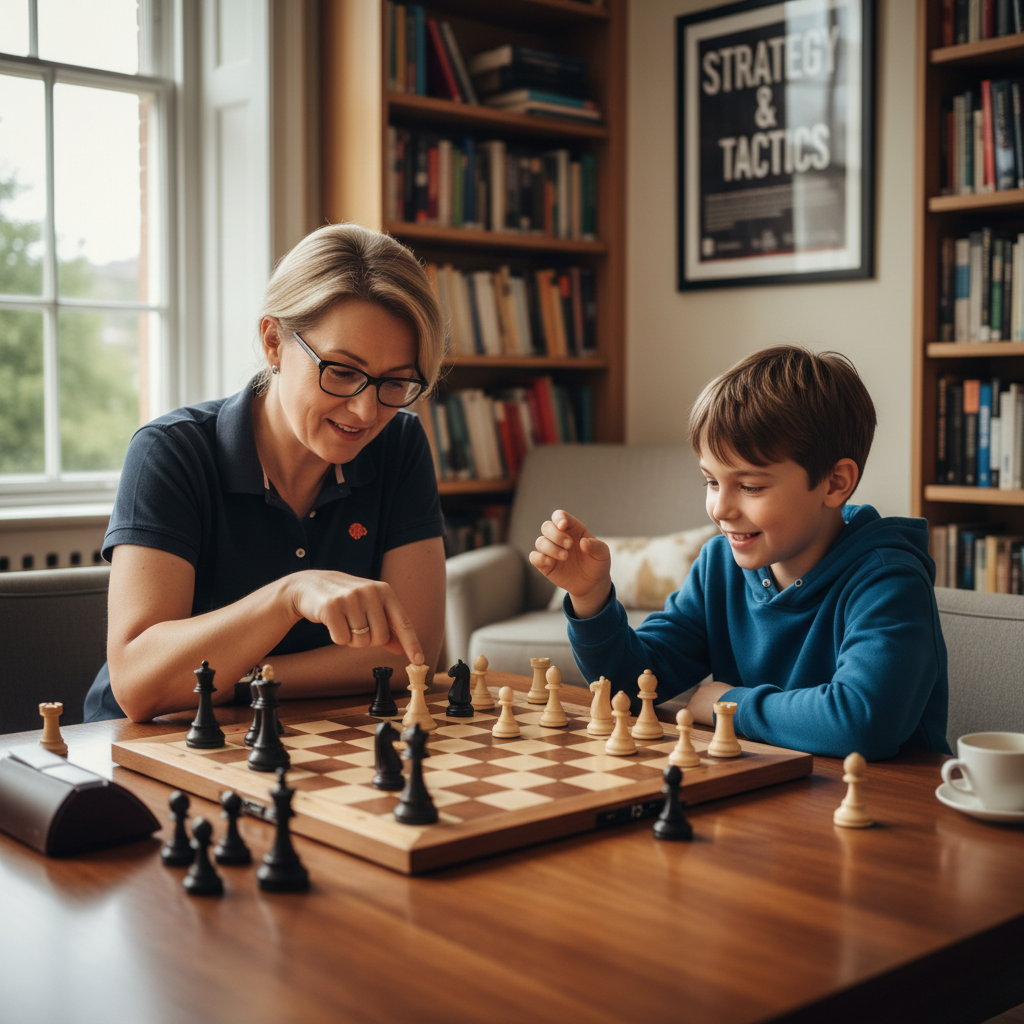
The ten minutes following a training game are often the most overlooked part of chess game practice, yet they are the most critical for long term improvement. This is where the player transitions from active play to the reflection stage, identifying why certain moves succeeded or failed. You do not need to be a seasoned player to facilitate this. In fact, some of the most effective reviews occur when a parent simply acts as an inquisitive sounding board, helping the child articulate their internal thought process.
We recommend using the Two Stars and a Wish method to keep the conversation constructive and balanced. Ask your child to identify two stars, which are specific moves they are proud of, and one wish, a moment in the game they would change if they could play it again. By focusing on two positives for every one correction, you maintain the child's motivation while still addressing technical errors. This approach mirrors the expert coaching techniques we use at Kingston Junior Chess, where we prioritize the development of the player over the raw result of the game.
During the review, avoid pointing out mistakes directly, even if they seem obvious. Instead, ask questions like, Why did you make that move? or What was your plan here? This encourages the child to justify their logic, building the critical thinking skills necessary for junior chess tournaments. It also fosters sportsmanship; by objectively looking at their own play, they learn to treat a loss as a data point rather than a failure. This reflective structured chess practice ensures that mistakes are not just repeated, but are transformed into lasting lessons.
Step 4: The Fun Finish: Chess Variants and Cool Down
The final five minutes of chess game practice serve as a mental cool down, ensuring the session ends with a sense of play rather than just study. This transition is vital for maintaining a child's enthusiasm for the game. We recommend using mini-games. These variants strip away the complexity of a full board and allow players to focus on specific mechanics in a low-stakes environment.
Ending with chess endgame practice is often the secret to winning more competitive matches. In the final phase of a game, players must learn to activate the king and position rooks behind passed pawns, skills that are frequently tested in junior chess tournaments. By framing these technical lessons as a game, you make the learning process feel less like a chore. This positive reinforcement is a technique we use during our expert coaching sessions in Kingston to ensure kids leave the board feeling successful. A fun finish reinforces their structured chess practice, making them eager to return for the next session.
Common Practice Obstacles and How to Overcome Them
Even the most dedicated routine faces real world hurdles. A common barrier to effective chess game practice is a chaotic environment. A busy kitchen during meal prep rarely provides the mental clarity required for deep calculation. Aim to recreate the atmosphere of the quiet study zones at Kingston Library by designating a specific corner of the home as a focus zone. This physical boundary signals to the brain that it is time for serious thought, helping to eliminate the distractions that lead to blunders.
Another frequent challenge is guessing moves, where a player moves impulsively without calculation. This often leads to frustration when pieces are lost unnecessarily. To counter this, teach your child to identify two or three candidate moves before they touch a piece. This deliberate pause is a core component of structured chess practice and prevents the blitzing habit we often see before students receive expert coaching.
Finally, managing the emotional fallout of a loss is vital. If a training game ends in frustration, step away from the board. Revisit our specific guide on helping children handle losing to turn that disappointment into a learning opportunity. By treating a home loss as a diagnostic tool for their next junior chess tournaments, you shift the narrative from personal failure to tactical progress.
Moving from Home Practice to Kingston Junior Chess Club
While a consistent home routine provides a solid foundation, local club participation acts as the catalyst for rapid growth. Home chess game practice allows for deep, quiet study, but a physical club introduces the social and competitive dynamics necessary to fully internalize new skills. Our weekly sessions in Kingston upon Thames offer what digital platforms cannot; a dedicated community of peers and immediate feedback through expert coaching.
In a club environment, the Study, Practice, Fix cycle becomes truly dynamic. A coach can identify a specific positional weakness that a child might overlook during solo play, turning a frustrating plateau into a significant breakthrough. Moving from the dining table to our junior chess tournaments allows young players to test their structured chess practice against a variety of opponent styles. We invite parents to bring their children to a session to see their hard work come to life in a supportive atmosphere that transforms home study into competitive confidence.
Establishing a consistent practice routine is the most effective way to help your child sharpen their focus and strategic thinking on the board. These simple steps provide a solid foundation for growth, but every young player eventually reaches a point where they crave deeper challenges. If you feel your child is ready for more advanced insights or if you want expert help to unlock their full potential, professional guidance can make all the difference. Our Coaching sessions offer personalized instruction to help them reach their next milestone with confidence.