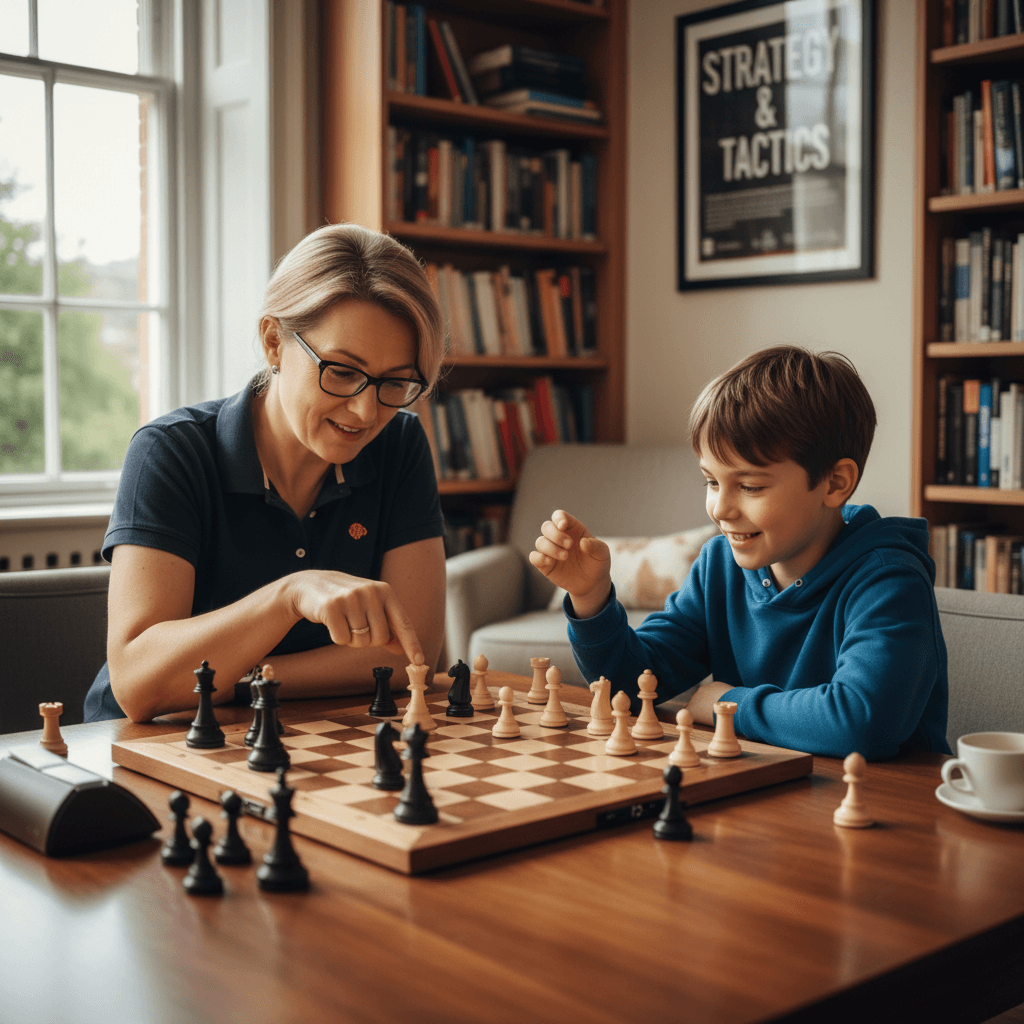
Enrolling your child in a structured chess club half term programme or holiday camp is the most effective way to maintain momentum during the school break. These organized sessions offer consistent practice and social interaction; they help preserve critical skills like focus, patience, and strategic thinking until regular classes resume.
For many young players, the mid-term hiatus from the weekly chess club is more than a simple holiday. It often marks a period where hard-won tactical sharpness begins to dull. After a term of intense league games and rigorous opening preparation, a week away from the board can result in rusty calculation and a dip in competitive confidence. Maintaining consistency is vital because chess mastery relies on constant pattern recognition; once the practice stops, those critical mental pathways begin to fade. In this guide, we provide a strategic blueprint for the half term break. You will learn how to establish a stress-free home routine, navigate the best digital resources for junior improvement, and find local Kingston spots for a casual game. We will also explore creative variations to keep the interest high, ensuring your child returns to the club with their winning streak firmly intact.
Why the Chess Club Half Term Break is a Critical Moment for Young Players
The arrival of the school holidays brings a well deserved pause from the classroom, yet for young players, the chess club half term break represents a critical juncture in their development. While physical and mental rest is vital, a complete withdrawal from the board often triggers a phenomenon known as skill fade. Chess is a language of patterns and tactical recognition; when a child stops speaking that language entirely for seven to ten days, the neural pathways responsible for calculating variations begin to dim.
Consider the difference between a student who puts the board away entirely and one who engages in a short chess practice routine of just 15 minutes a day. The first child returns to the club feeling rusty, often struggling to see basic hanging pieces or coordinate their knights. The second child maintains their momentum. It is significantly easier to keep a moving wheel turning than it is to overcome the friction of starting from a dead stop.
Kingston Junior Chess prioritizes a supportive environment for our parents and community to ensure this transition remains seamless. By keeping the mind active with light, low pressure engagement, we ensure that when the club resumes, every junior is ready to pick up exactly where they left off, confident in their board vision and calculation.
Creating a Stress Free Chess Routine at Home

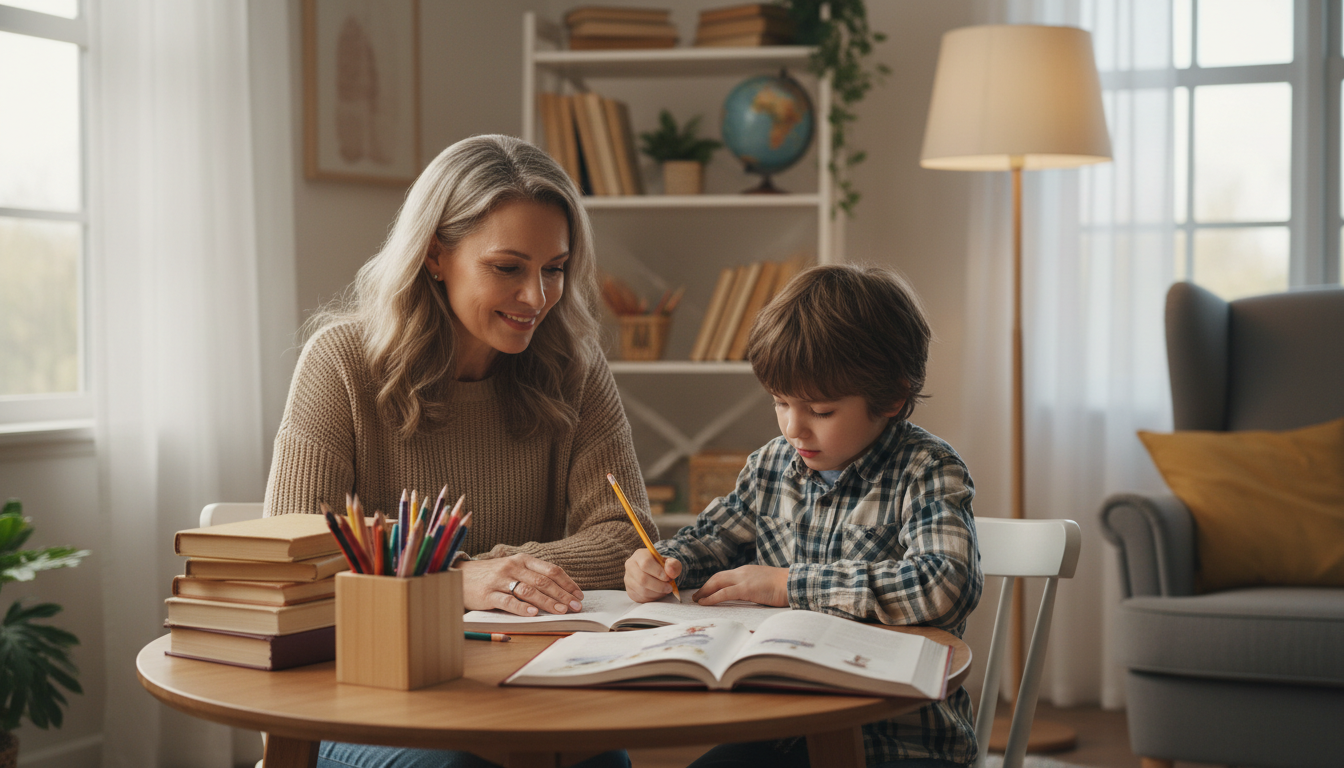
Maintaining interest during the chess club half term break does not require replicating a classroom environment. Instead, the focus should be on weaving chess into the natural rhythm of your home life. Transitioning from a structured club setting to a home environment is most successful when you prioritize play sessions over formal instruction. This shift keeps the game enjoyable and prevents it from feeling like holiday homework.
A simple but effective strategy is to leave a chess board permanently set up in a visible, high traffic area of the house, such as the dining table or the living room. This creates a visual prompt that invites spontaneous engagement. A child might stop to look at the board for three minutes while waiting for lunch, which is often more beneficial for pattern recognition than a forced hour of study.
To help structure the week, consider these low pressure activities that fit around your family plans:
Activity | Duration | Purpose |
|---|---|---|
Breakfast Puzzles | 5-10 Minutes | Solving two or three quick tactics while eating breakfast to wake up the brain. |
The Passive Board | Ongoing | Set up a famous historical position or a puzzle for the child to solve at their own pace throughout the day. |
After-Dinner Games | 15-20 Minutes | A casual game against a family member or a friend to practice sportsmanship and board vision. |
For parents who do not play chess themselves, your role is that of a supportive facilitator. You can assist by setting a timer for a chess practice routine or by asking your child to explain the rules of a specific piece to you. This process of teaching a parent actually reinforces their own understanding of the game. By keeping the atmosphere relaxed, you ensure they are eager to book your child's place for the upcoming term with their confidence fully intact.
The Best Digital Chess Resources for Holiday Practice

Digital platforms provide immediate feedback that is invaluable during a chess club half term, especially when expert coaching is not instantly available. ChessKid.com is the primary recommendation for our younger members because it prioritizes safety. The platform operates in a walled garden where children can play and solve puzzles without exposure to open internet chat. We specifically recommend the 'Puzzle Rush' feature. This fast-paced format challenges players to solve as many tactical positions as possible within five minutes, building the instinctive pattern recognition required for competitive play.
For juniors seeking deeper analysis, Lichess.org offers a comprehensive, free suite of study tools. The 'Coordinates' trainer is particularly useful for improving board vision, helping students instantly identify squares like f7 or c3 without hesitation. However, the effectiveness of these tools depends on how they are implemented into a chess practice routine. To avoid the 'mindless clicking' that often occurs with online play, we advise parents to set a strict 20 minute timer for digital sessions. This constraint forces the child to value each move and prevents the mental fatigue that leads to sloppy habits.
Rather than simply playing game after game, encourage your child to use the 'Analyze Your Games' feature after a loss. Examining why a specific move failed is more educational than starting a new match immediately. By focusing on these structured, time-limited interactions, you ensure that digital play remains a productive bridge until we resume our regular sessions in Kingston.
Local Kingston Spots for a Casual Game
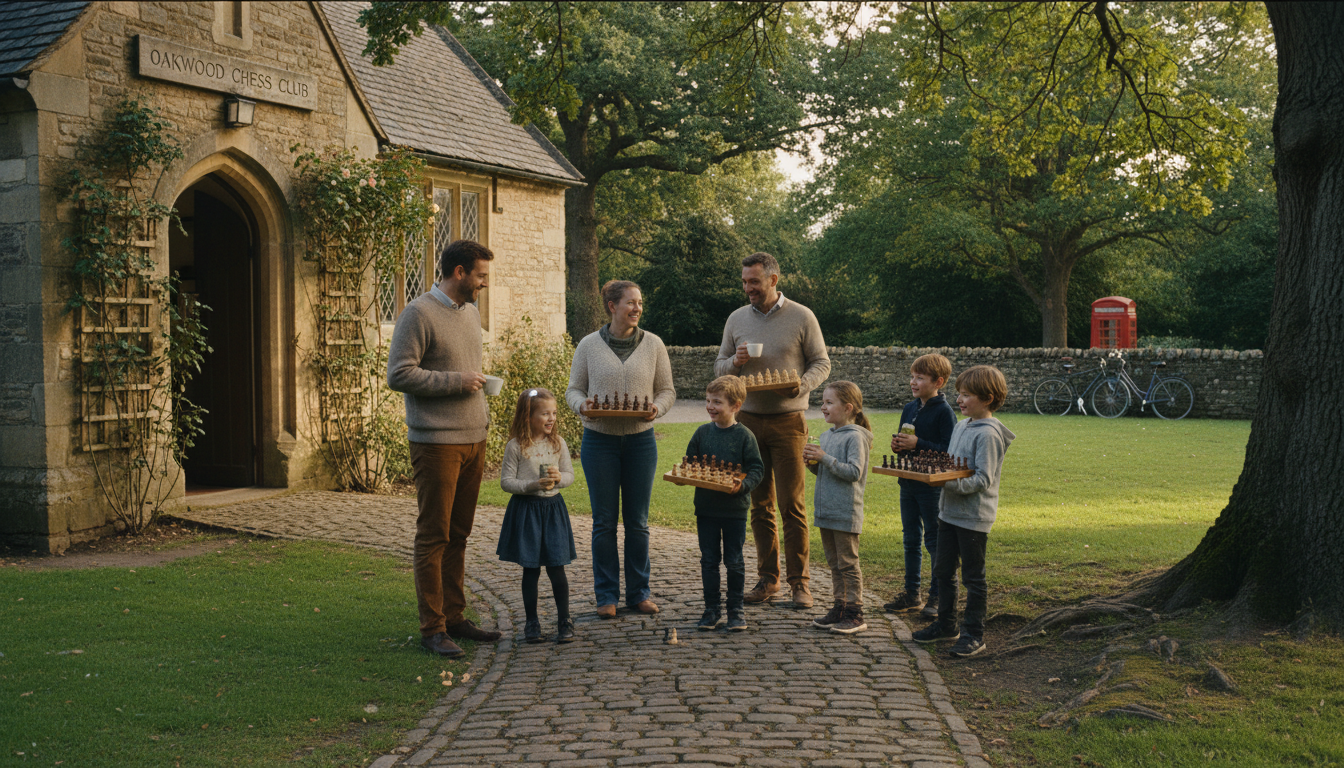
While digital platforms bridge the gap, chess remains a fundamentally social game. Taking the board out into our local community during the chess club half term break reinforces the idea that chess is a life skill, not just a classroom activity. Kingston upon Thames offers several excellent locations where juniors can enjoy a casual game in a fresh environment.
Kingston Library is a standout choice. Its central location and quiet atmosphere make it an ideal venue for a focused game or a session of chess practice routine. If you prefer a more bustling environment, the cafes around the historic Market Place or within the Bentall Centre provide plenty of table space. Packing a portable, roll up board allows you to turn a quick hot chocolate break into an opportunity for a tactical skirmish.
For days when the weather is clear, we highly recommend a 'Chess in the Park' afternoon at Canbury Gardens. Setting up near the river provides a scenic backdrop that makes the game feel like a holiday treat. These outings help children see themselves as part of the broader parents and community of players in the Royal Borough. By moving beyond the digital screen and the home dining table, young players develop the confidence to play in any setting, ensuring they are mentally sharp and ready to book your child's place for the upcoming term.
Chess Variations to Keep Things Fresh
Introducing chess variants is one of the most effective ways to prevent burnout during a chess club half term break. These alternative rulesets strip away the weight of opening theory, allowing juniors to explore the mechanics of the game from a fresh perspective. While they feel like casual holiday games, they are secretly high intensity training for tactical awareness.
Antichess, often called Losing Chess, is a favorite among our members. In this version, the objective is to be the first to lose all your pieces, and capturing is mandatory whenever a capture is possible. This forces players to calculate long strings of forced moves, significantly sharpening their ability to spot hanging pieces and overlooked captures in standard games. It turns the traditional logic of the game upside down, which is often exactly what a child needs to stay engaged during a week off.
Another excellent choice is Horde, where one player has a standard set of pieces and the other has a massive army of 36 pawns. This variant teaches juniors the power of pawn structure and how to coordinate pieces against a numerical advantage. Including these games in a chess practice routine keeps the board exciting while building the foundational skills needed for when you book your child's place for the next term. Our parents and community often find that these playful variations are what ultimately keep a child’s interest high when the standard rules start to feel like hard work.
How to Handle the Return to Club After the Break
The transition from holiday variants back to standard tournament rules requires an intentional re-entry phase. To address the frequent question of how to keep a child's skills sharp during a break, we recommend a focused Sunday Reset the evening before our weekly sessions resume. This session should be slightly more structured than the casual play sessions used throughout the rest of the chess club half term.
Spending thirty minutes reviewing a specific game played earlier in the month or completing a set of themed tactics, such as pin or skewer puzzles, helps re-calibrate the brain for competitive play. This targeted chess practice routine ensures the student arrives at the board feeling prepared rather than rusty. For many juniors, the anxiety of forgetting their openings is more significant than any actual skill loss. By successfully navigating a few challenging positions at home, they build the immediate confidence needed to face their peers. If you have not yet secured a spot for the upcoming weeks, ensure you book your child's place to maintain their development within our local community.
Frequently Asked Questions About Chess Club Half Term Breaks
Parents often ask how to balance relaxation with progress during the chess club half term hiatus. Here are the most common queries we receive from our parents and community.
Should we play every day? Consistency is more valuable than intensity. A focused chess practice routine of fifteen minutes every other day is significantly more effective for pattern retention than a single three hour marathon. Short, frequent bursts keep the mind engaged while allowing plenty of time for other holiday activities.
What if my child wants a total break? If a child expresses a need for a complete rest, it is best to respect that. Forcing the game can lead to long term burnout. You can maintain their strategic thinking through logic puzzles or other strategy board games that do not involve a traditional chess set. This keeps their problem solving skills sharp while providing the mental reset they need to return with enthusiasm.
Are there local holiday camps in Kingston? We specialize in our weekly term-time sessions to provide consistent, long term development. For those looking to stay active during the break, we suggest casual meetups in local Kingston spaces. To ensure your child does not miss out on our expert coaching when we return, please book your child's place for the upcoming term as soon as possible.
Maintaining your momentum during the half term break is all about staying consistent with puzzles and practice games. By keeping your mind engaged, you ensure that you return to the board sharper than ever. If you want expert help to take your game to the next level, we invite you to learn more about us and our structured approach to junior chess. Professional guidance can provide the perfect complement to your independent study, helping you turn every break into an opportunity for significant growth.