To prepare for a first chess tournament kids should focus on building endurance and problem-solving skills rather than solely aiming to win. Parents can support this experience by emphasizing the social benefits and personal growth that come from participating in a structured, competitive setting. These events provide a fun way for young players to develop confidence and camaraderie with their peers.
Stepping into a competitive chess tournament hall for the first time can feel overwhelming for both children and parents alike. The quiet intensity of the room, the rhythmic clicking of clocks, and the specific rules of etiquette often create a sense of uncertainty about what is expected. However, this first tournament is a vital milestone that transforms a casual interest into a disciplined pursuit of strategic mastery. To help you navigate this transition, we have compiled a comprehensive guide tailored to the Kingston Junior Chess experience. You will learn how the Swiss pairing system ensures every child plays throughout the day, the technical nuances of touch-move rules, and how to manage the logistical demands of a tournament schedule. From packing the right essentials to understanding your role as a supportive observer, this guide provides the clarity you need to ensure your child’s debut is a rewarding success.
The Milestone of the First Chess Tournament
As the Autumn 2026 term progresses at Kingston Junior Chess, many of our newest members are preparing for a significant step in their developmental journey. Entering the first chess tournament kids experience is a genuine rite of passage. It marks the transition from casual club play to a structured competitive environment, testing a child's focus and resilience in a way that regular practice games cannot match.
It is perfectly normal for both parents and children to feel a mix of anticipation and nerves. Stepping into a tournament hall for the first time is a sensory shift from our usual expert coaching sessions. At our Kingston club, we view these initial competitions as educational milestones rather than high pressure tests. Our philosophy emphasizes participation and the growth that comes from facing a range of opponents. We prioritize sportsmanship, the mandatory handshake at the start of the game, and the ability to analyze a loss with grace.
We have worked hard to foster a supportive parent community at our local venue. You will find that the atmosphere is one of collective encouragement, where experienced families often help newcomers navigate the day. The primary goal for any beginner is to endure the full schedule, learn from every move, and enjoy the camaraderie of fellow enthusiasts. You can view our upcoming tournaments to find the perfect entry point for your child.
Understanding the Swiss System: Why No One Is Knocked Out
One of the most frequent questions we receive from parents is how long their child will actually be playing. In many sports, such as football or tennis, a single loss can mean an early trip home. Chess tournaments operate differently by using the Swiss System. This ensures that every child plays every scheduled round, regardless of whether they win, lose, or draw their previous games.
A Swiss system chess tournament is designed to rank players fairly without the need for elimination. In the first round, pairings are often randomized or based on initial ratings. After that, the computer pairings work on a simple logic: players are matched against opponents with the same, or very similar, point totals. If your child wins their first game, they will face another winner in round two. If they lose, they will be paired with someone else who also lost.
This skill matching is the secret to a successful first chess tournament kids event. While the first round might occasionally result in a mismatch, the pairings become increasingly accurate as the day progresses. By the middle of the afternoon, most children find themselves locked in very close, exciting games against peers of exactly the same ability. This avoids the discouragement of repeated losses against much stronger players and ensures that every participant has a realistic chance to experience the satisfaction of a well earned victory. You can see this system in action at any of our upcoming tournaments held throughout the year.
A Day in the Life: What to Expect at our Kingston Venue
Understanding the format helps, but visualizing the day at our local venue provides the real peace of mind. Arrival usually occurs thirty minutes before the first round. After checking in at the welcome desk, the first destination for any player is the pairing board. These printed sheets are the focal point of the day; they indicate exactly where your child will sit and who they will face for the current round.
The schedule typically consists of five or six rounds. Because the playing hall must remain silent to ensure concentration, we ask the parent community to wait in a designated separate area nearby. This separation is vital for maintaining the professional atmosphere required for expert coaching to translate into competitive performance. It also gives parents a chance to relax together, away from the intense focus of the boards.
A typical tournament day follows this rhythmic pattern:
Arrival and player check-in
Mandatory player briefing on rules
Round 1 commences
Mid-morning snack and hydration breaks
Final round and prize giving ceremony
The day concludes with a ceremony where we celebrate progress and sportsmanship. Seeing the trophies and medals displayed at the front of the hall is often the most inspiring moment for those experiencing their first chess tournament kids event. You can find the specific schedule for our next event on the upcoming tournaments page.
The Golden Rules: Touch Move and Quiet Play
Transitioning from the busy foyer to the silent playing hall requires a shift in mindset. At home, a child might take back a move after seeing a mistake, but formal play follows strict etiquette. The most critical rule is Touch Move. If a player intentionally touches one of their pieces, they must move that piece if it has a legal square. Likewise, if they touch an opponent’s piece, they must capture it. This rule ensures fairness and prevents players from using physical trial and error on the board.
Silence is another pillar of the tournament environment. While our expert coaching sessions often involve collaborative discussion, competition requires absolute quiet to respect every child's concentration. If a dispute arises, perhaps regarding a rule or a clock issue, children should not argue with their opponent. Instead, they must raise their hand and wait for a coach or arbiter to arrive at the table. Learning these protocols is a vital part of preparing for the first chess tournament kids participate in, turning a casual hobby into a disciplined craft. You can see these rules in practice at any of our upcoming tournaments.
Using the Chess Clock for the First Time
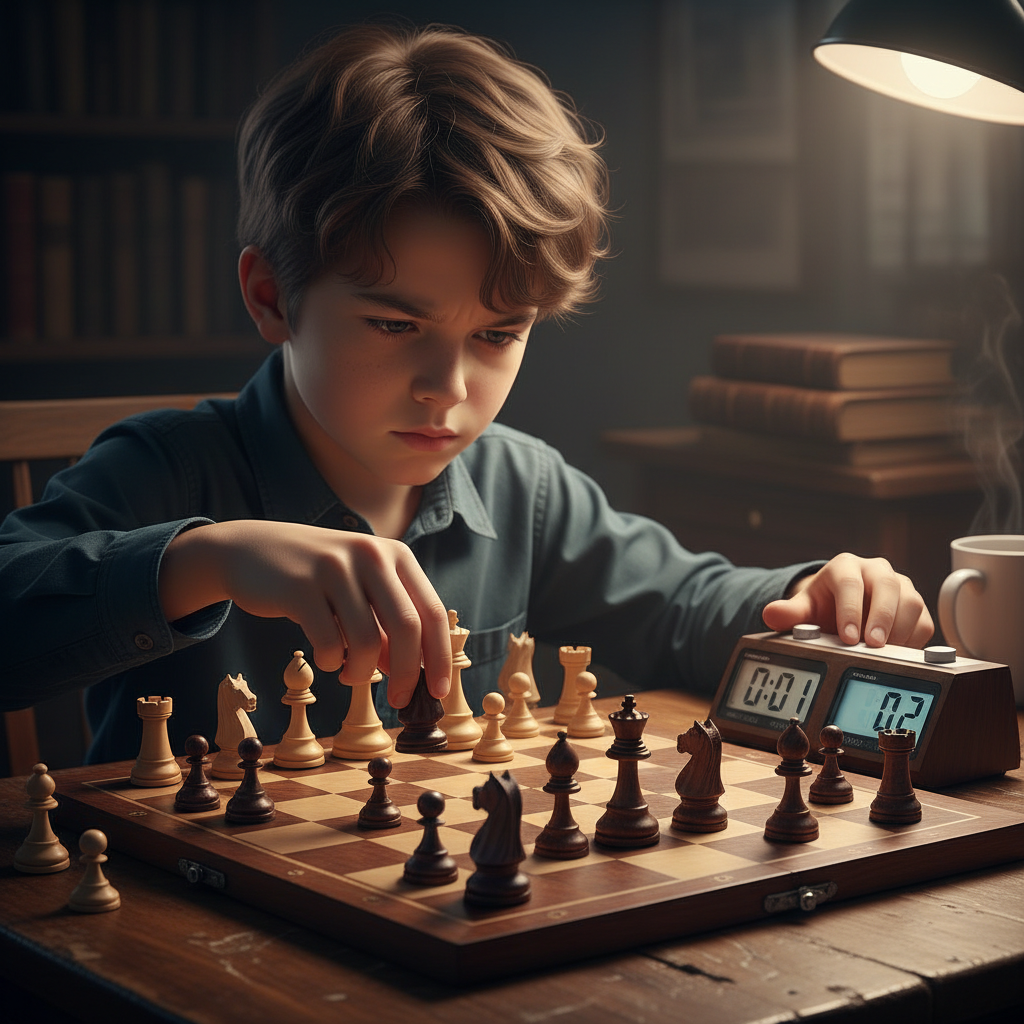
While rules like Touch Move govern physical play, the chess clock manages the rhythm of the game. It is common for new players to feel intimidated by the digital display or the rhythmic clicking of older models. In the junior circuit, most events are classified as Rapid tournaments. This usually means each player is allotted between 15 and 25 minutes to complete all their moves. If a player runs out of time, they lose the game, provided their opponent has enough material to win.
Parents should reassure their children that the clock is a helpful resource rather than a monster to be feared. A frequent mistake for beginners at their first chess tournament kids event is playing far too fast. They see the numbers counting down and panic, making impulsive moves. Our expert coaching emphasizes that 20 minutes is actually a significant amount of time for a junior game. Remind your child to take a breath and think before they move; the clock is there to ensure fairness, not to force errors. You can practice with digital timers during our weekly sessions before heading to upcoming tournaments.
Essential Packing List for Kingston Families
Preparing for the first chess tournament kids attend involves more than just sharpening their opening moves; success often depends on physical comfort and sustained energy levels throughout the day. Local venues in Kingston, while spacious, can sometimes feel drafty during the cooler months. Ensure your child has a warm jumper or hoodie they can easily layer to stay comfortable during long periods of seated concentration.
A practical packing list should include: - A refillable water bottle to stay hydrated and maintain focus. - Healthy snacks such as fruit, nuts, or oat bars to avoid the mid-afternoon sugar crashes associated with sweets. - A book or a quiet, non-electronic activity for the downtime between rounds. - A personal chess set for practice in the analysis area.
While we provide all professional boards and clocks for the competitive games at our upcoming tournaments, many children find comfort in using their own set to review moves with friends. Having a familiar board allows them to immediately apply the expert coaching they have received. This preparation helps maintain a calm mindset, allowing our parent community to focus on providing emotional support rather than managing logistics.
The Parental Role: Support, Snacks, and the Car Ride Home
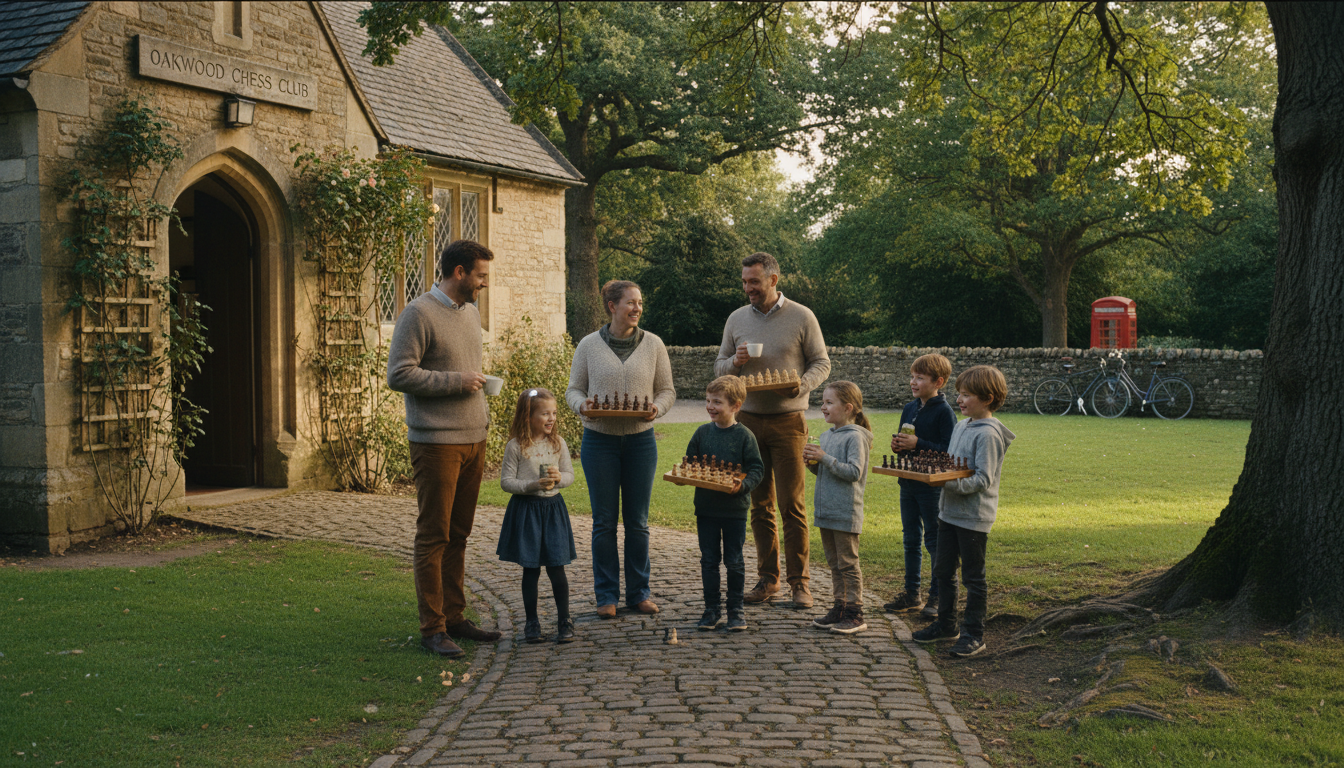
Your primary role during your child’s first chess tournament kids event is that of an emotional anchor. While they are at the board applying the principles from their expert coaching, you are managing the atmosphere that allows them to sustain their focus. It is important to remember that the objective for a debut is endurance rather than a perfect score. Completing all five or six rounds is a significant psychological feat for a young player, and finishing the day is a victory in itself.
When a game ends, the initial interaction is crucial. Avoid the temptation to lead with "Did you win?" as this reinforces the idea that the result is the only thing that matters. Instead, ask "How was the game?" or "What was the most interesting move you made?" If they lose, focus your praise on their effort, their resilience after a mistake, or their sportsmanship. By highlighting a specific move they felt proud of, you validate their hard work and keep the experience positive.
The tournament waiting area is more than just a place to sit; it is the heart of our parent community. This space offers a unique opportunity to connect with other local families from the Kingston area. You will find that experienced parents are a wealth of knowledge, often happy to explain how to read the pairing boards or recommend upcoming tournaments that suit your child's current level. This sense of camaraderie ensures that you, as well as your child, feel supported throughout the long day.
Finally, the car ride home should be a "no pressure" zone. Some children will want to recount every move, while others may need time to decompress. Let them lead the conversation. By keeping the day’s focus on learning and social connection, you ensure they remain eager to return to the board.
Beyond the Club: Regional Tournaments in London and Surrey
Once your child has successfully navigated their first chess tournament kids event in our familiar local hall, they may develop an appetite for larger competitions. Kingston is ideally situated to access the broader London and Surrey junior circuit. The London Junior Chess Championships (LJCC) are a major focus during the Autumn term, often requiring qualification through regional heats. In the Spring and Summer, the UK Chess Challenge provides a multi-stage path from school level play to national finals.
Our internal club events and upcoming tournaments act as the essential bridge to these larger regional stages. We provide a low pressure environment where children can master the technicalities of clocks and notation before facing hundreds of players in a city wide arena. Our expert coaching program specifically prepares students for the higher level of play found at these events. As your child progresses, our parent community remains a vital resource for navigating the English Chess Federation (ECF) rating system and understanding the entry requirements for these prestigious regional milestones.
Navigating your child's first chess tournament is a rewarding experience that builds character and resilience. While the rules and schedules are important, the primary goal remains fostering a lifelong love for the game. If you feel your child would benefit from expert guidance to navigate these milestones with confidence, professional coaching provides the structure they need. You can read more about Kingston Junior Chess to see how our experienced team supports young players. We are here to help every student reach their full potential on the board.