Your child is ready for a junior chess club Kingston upon Thames if they are between 6 and 18 years old and show an interest in learning or practicing the game. Local opportunities include structured weekly coaching for competitive growth and casual drop-in library programs that allow juniors of all abilities to play in a supportive environment.
As a parent in Kingston upon Thames, you may have noticed your child intently studying the board during a quiet afternoon; however, you likely feel uncertain if they are prepared for the rigors of a formal junior club. It is a common dilemma to wonder whether a budding player needs casual play or a structured environment to truly flourish. This distinction is vital because the right setting transforms a simple hobby into a lifelong cognitive asset, while the wrong one can lead to unnecessary frustration. In this guide, we will help you identify the specific developmental signs of chess readiness and the ideal age for formal instruction. We will also compare local library sessions with the specialized coaching at Kingston Junior Chess, illustrating how our curriculum builds resilience and social confidence. By the end, you will have a clear, practical roadmap for your child's first successful session.
Recognizing the Signs of Chess Readiness in Your Child
Many parents in Kingston upon Thames find themselves playing chess at the kitchen table on rainy afternoons, noticing their child has a growing knack for the game. Deciding when to take the leap from these relaxed home sessions to a more formal junior chess club in Kingston upon Thames is a common dilemma. Readiness is rarely about a specific age or a high win rate against siblings; instead, it is a combination of focus, curiosity, and emotional maturity.
A clear indicator of readiness is when a child moves beyond simply knowing how pieces move and begins asking "why." If they question why a specific capture was made or ponder the consequences of a move three turns ahead, they are likely ready for expert coaching. Another practical sign is the ability to finish a full game without losing interest. If your child can remain engaged at the board for 20 minutes, they have the foundational attention span required for the structured environment of a professional club.
Transitioning to a club introduces the concept of serious chess practice, which differs significantly from a casual game on the sofa. In a dedicated club setting, children learn to navigate a shared social space with peers from local schools. Emotional readiness is particularly vital. We look for children who can handle a loss with a handshake and a desire to learn from the experience. When a child starts seeking out puzzles independently or showing a genuine interest in the "fair play" of the game, they are prepared to benefit from the supportive parent community and expert-led sessions we provide.
The Golden Window: What Is a Good Age to Start Teaching Chess?
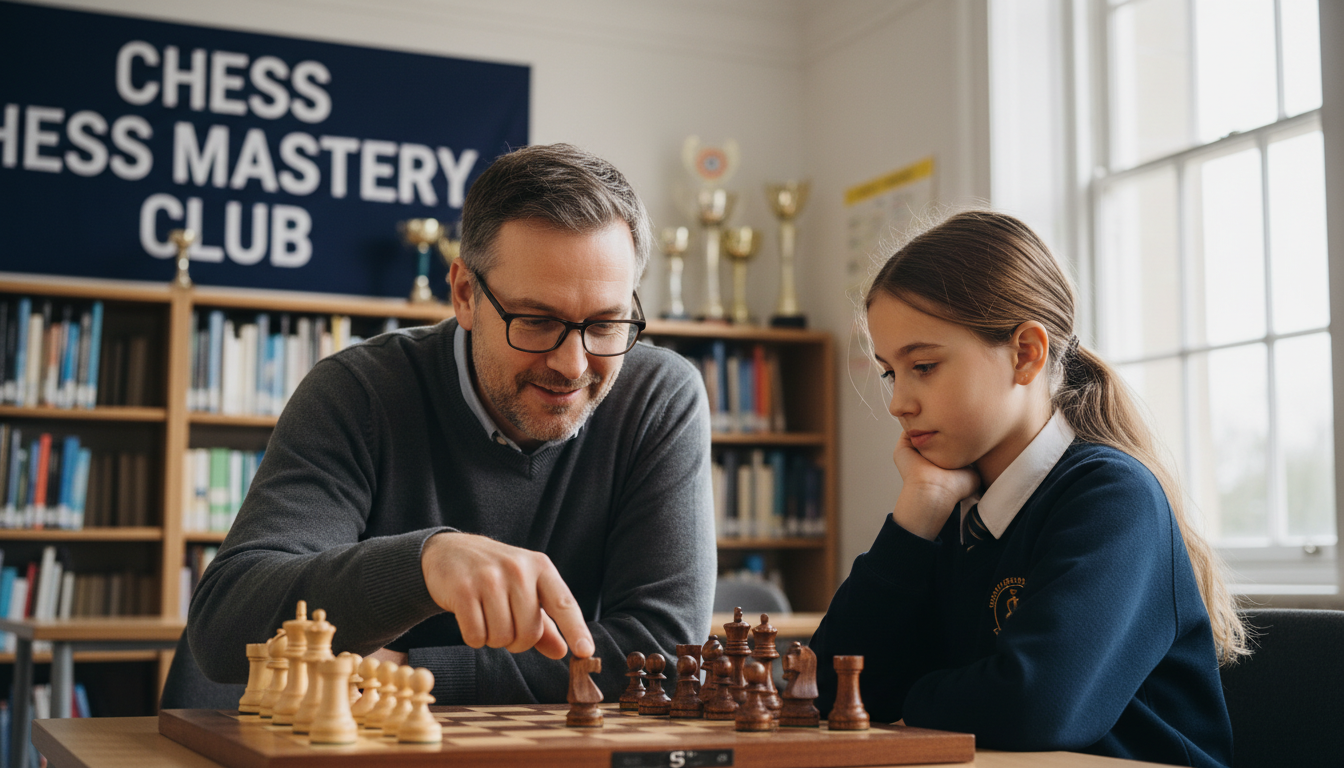
The question of "the right age" is one of the most common inquiries we receive from parents. While general consensus often points to the window between 5 and 8 years old, the approach must vary significantly based on the child's developmental stage. For a five year old, chess is primarily an exercise in tactile play and spatial awareness. At this age, sessions should focus on the "dance" of the pieces, helping them master how the Knight jumps or how the Rook slides. The goal is to build a positive association with the board rather than mastering complex opening theory.
By age 7 or 8, children in Kingston schools are typically navigating more complex curriculum requirements, which coincides with a cognitive shift toward strategic thinking. This is the stage where "if, then" logic begins to take root; they can start to understand that moving a Bishop might leave a King vulnerable several turns later. While the drop in sessions at Kingston Libraries cater to a broad 6 to 18 age range for casual games, a dedicated junior chess club in Kingston upon Thames provides the expert coaching necessary to translate this emerging logic into a coherent game plan.
We also frequently encounter a specific concern: "Is 13 too late to start chess?" The answer is a firm and resounding no. While some competitive players start in nursery, teenagers often progress through the fundamentals at an accelerated pace. A 13 year old brings a level of logical reasoning and maturity that a younger child hasn't yet developed. They can grasp abstract concepts and endgame patterns quickly, often closing the gap with their younger peers within a few terms of serious chess practice. Our club structure ensures that whether a child is 6 or 14, they are placed in a group that matches their maturity and skill level, fostering a diverse parent community where every beginner is supported.
Five Signs Your Child Is Ready for Structured Chess Coaching
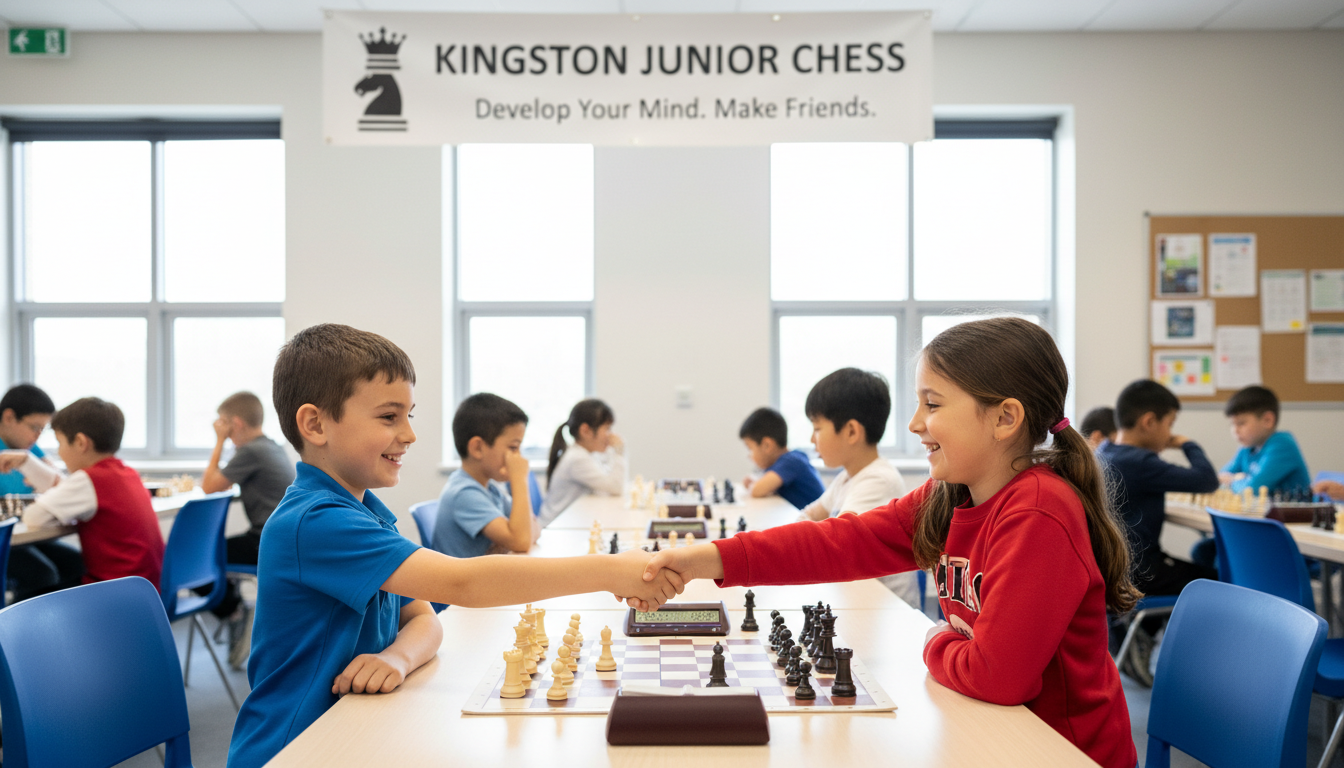
Determining the right moment to move from casual home games to expert coaching involves looking for specific developmental cues. While every child progresses at a different rate, these five indicators suggest they will thrive in the more formal setting of a junior chess club Kingston upon Thames.
Sustained Attention Span: A coached lesson or a tournament game requires a child to remain engaged for at least 15 to 20 minutes. If they can sit through a full game without needing to move away from the board, they are ready for the classroom structure of our sessions.
Resilient Sportsmanship: Every game at our club begins and ends with a handshake. A child who can accept a loss without significant distress, or who shows curiosity about why they lost, is prepared for serious chess practice.
Respect for Technical Rules: The touch move rule is often the first hurdle for young players. If a child understands that once they touch a piece they must move it, they demonstrate the self-discipline and respect for the game's integrity needed for club play.
Independent Interest: Notice if your child initiates games or seeks out chess puzzles on a tablet or in a book. This self-driven curiosity is a sign that they are looking for a parent community and a peer group to share their passion.
Foundational Mechanics: While we teach all levels, a child ready for structured coaching typically knows the fundamental movements of the King and Queen. This allows our sessions to move beyond basic mechanics and into strategic concepts.
If your child is only just beginning to show these traits, our sessions are designed to nurture them. We use structured play to gently extend attention spans and reinforce the values of sportsmanship through group interaction, bridging the gap between simply playing and truly learning.
Kingston Junior Chess vs. Library Drop in Sessions: Choosing the Right Fit
Kingston offers a variety of entry points for young players, ranging from casual library sessions to structured club environments. The drop in sessions at Kingston Libraries, such as those held at Eden Walk, or local Saturday clubs, serve as fantastic first exposure points. These gatherings are ideal for children who want to play occasional games in a relaxed, low pressure setting. They offer a taste of the game's social aspect without the commitment of a full term.
Once a child begins to show the signs of readiness mentioned previously, they often crave a more defined path. This is the point to transition to a junior chess club in Kingston upon Thames that provides expert coaching. While library sessions are excellent for exploratory play, a dedicated club offers a progressive curriculum that moves beyond basic piece movement.
Feature | Library Drop-In Sessions | Kingston Junior Chess |
|---|---|---|
Primary Goal | Casual play and socialising | Skill development and strategy |
Format | Unstructured games | Lessons followed by play |
Guidance | Peer-to-peer learning | Professional expert coaching |
Progression | Ad-hoc games | Serious chess practice and tournament pathways |
A structured club fosters a consistent parent community and a stable group of peers. Children benefit from a term time structure where they can track their growth, participate in internal rankings, and eventually represent the club in local tournaments. This environment transforms chess from a hobby into a skill they can master over time.
How Chess Builds Resilience and Social Skills in Kingston Children
Parents across the Royal Borough often look for extracurricular activities that translate directly to academic and emotional success. Chess serves as a rigorous mental gym; when a child engages in serious chess practice, they develop a high level of concentration that mirrors the focus required for Key Stage 2 assessments or secondary school entrance exams. Resilience is built through the iterative nature of the game. We teach children that a lost piece is not a failure but a tactical problem to solve. This mindset helps shy children find their voice, as the board provides a neutral ground where their strategic ideas, rather than their volume, command respect.
Beyond the board, our club fosters a unique "Kingston Chess Town" atmosphere. By joining a junior chess club Kingston upon Thames, children connect with peers from various local primary and secondary schools, expanding their social circle beyond their immediate classroom. Our expert coaching focuses heavily on the social etiquette of the game. Mentors actively model how to win with grace and lose with dignity, ensuring that sportsmanship remains a core value. This structured interaction helps children build lasting friendships based on shared intellectual curiosity. It transforms what can be a solitary hobby into a communal experience, supported by a growing parent community where every child's progress is celebrated.
Preparing for Their First Session at Kingston Junior Chess

The transition from home play to a junior chess club Kingston upon Thames is an exciting milestone. Before your first Monday visit, talk to your child about the atmosphere they will encounter. It is helpful to remind them that every player in the room, including the instructors providing expert coaching, once stood exactly where they are today. Frame the session as an opportunity to meet new friends and explore ideas rather than a high pressure test of their skill.
A simple way to prepare is to practice the post game handshake at home. This gesture is a cornerstone of our parent community, signaling that regardless of the result, the game is over and mutual respect remains. When you arrive for our weekly Monday schedule, allow your child to walk around and observe the different boards at their own pace. There is no rush to jump into serious chess practice immediately. Observing how peers move their pieces and interact is a valid form of learning for a first timer.
Located in the heart of Kingston upon Thames, our club is designed to be a soft landing for new enthusiasts. We encourage you to let your child explore the environment without the weight of expectation. By focusing on the social and exploratory aspects of the game during their first visit, you help them build the confidence needed to eventually master the board.
Deciding if your child is ready for a Kingston chess club often comes down to their personal enthusiasm and ability to sit through a full game. While every young player develops at a different pace, the right environment can make all the difference in their long term progress. If you feel like your child would benefit from expert guidance or if you want to learn more about our coaching philosophy, you can read more about us to see how we help new players thrive. We are here to support their journey.