Kingston upon Thames is a premier chess destination due to its historic club culture and the professional coaching provided at the Kingston Chess Academy. Engaging in Kingston upon Thames junior chess allows your child to build critical thinking skills and strategic discipline within a supportive, high-achieving community.
Finding an extracurricular activity that bridges the gap between digital entertainment and meaningful cognitive growth can be a daunting task for parents in Southwest London. While many options offer temporary engagement, few provide the lasting mental discipline required to excel in today’s competitive academic landscape. Kingston upon Thames serves as a distinguished hub for this development, offering a unique environment where strategic excellence is part of the local fabric. This article examines the deep historical legacy of chess in Kingston and explains why our specific approach to junior coaching stands apart. You will learn about the measurable academic advantages of the game, the journey from casual play to club level competition, and how the KT area fosters the social resilience necessary for success both on and off the board.
Kingston: A Hidden Hub for Strategic Excellence
Kingston upon Thames is widely celebrated for its picturesque riverside walks and bustling retail districts; however, beneath this lively surface lies a reputation as a powerhouse in the United Kingdom chess scene. A Chess Town is defined not just by the presence of a single club, but by an entire ecosystem of strategic excellence. In Kingston, this manifests through a high density of active players, legendary school programs at institutions like Tiffin, and a heritage of competitive play that spans generations.
The borough serves as a magnet for tactical talent, evidenced by the local adult club’s recent Octuple championship win in the 2024/25 season. This unprecedented level of success signals a new golden age for the game in the KT postcode. Kingston Junior Chess enters this landscape as the newest guardian of this local tradition, offering a dedicated space for Kingston upon Thames junior chess to flourish under professional guidance. By providing expert coaching and structured junior chess tournaments, we ensure that the strategic culture of Kingston continues to thrive. For a child in this area, learning chess is not just a weekend hobby; it is an entry into a storied community that values intellectual discipline and sportsmanship.
The 1875 Legacy: A Century and a Half of Chess in Kingston
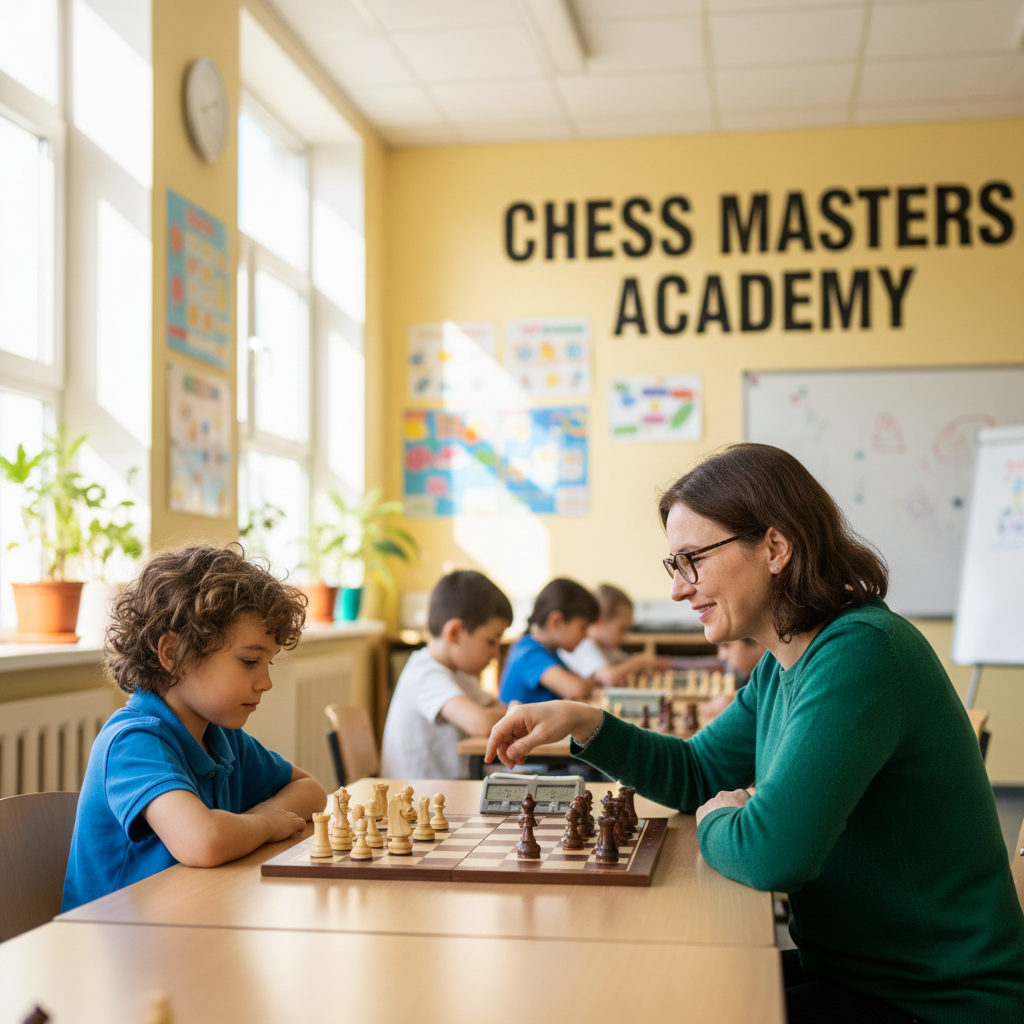
The strategic foundations of our borough were laid long before the digital age, dating back to the formal establishment of Kingston’s original chess club in 1875. This century and a half of history is not merely a collection of dates; it represents a continuous lineage of intellectual rigor. While many towns maintain small hobby groups, Kingston has historically moved in cycles of regional dominance, with major peaks in the 1920s and mid-1970s. However, we are currently witnessing what historians of the game describe as a New Golden Age.
The 2024/25 season served as a definitive milestone, with the local adult club securing the historic Octuple championship win. Achieving eight separate titles in a single season is an unprecedented feat in UK club chess, demonstrating that Kingston upon Thames junior chess players are entering an environment of absolute peak performance. For a young player, this proximity to excellence is transformative. Unlike generic online platforms that treat chess as a disposable screen activity, the Kingston legacy anchors the game in reality, providing a physical space where standards are high and progress is tangible.
Learning within this historic framework ensures that children do not just learn how pieces move; they absorb a specific local standard of play. We maintain a strict safeguarding policy to ensure this tradition is passed down in a secure, professional environment. Our collaboration with the senior club allows for a natural transition, where students receiving expert coaching can eventually test their skills in the same prestigious leagues that the club has dominated for decades. This continuity from the Victorian era to the current Octuple success offers a roadmap for development that few other regions can replicate. Participating in junior chess tournaments in Kingston means stepping into a lineage of winners, fostering a sense of pride and serious intent from the very first move.
Why Kingston upon Thames Junior Chess is Different
The local environment in Kingston provides a specialized infrastructure that few other regions in the UK can match. While many areas rely solely on isolated school clubs or online play, Kingston upon Thames junior chess benefits from a concentrated ecosystem where academic excellence and strategic play intersect. The presence of prestigious institutions like Tiffin School, known for its rigorous intellectual standards, creates a culture where high level thinking is the norm. In this setting, chess is viewed as a respected discipline rather than a casual pastime, mirroring the dedication found in the borough’s top tier classrooms.
The physical availability of dedicated venues further distinguishes the local scene. Our sessions at the Richard Mayo Centre on Monday evenings provide a professional, focused atmosphere for expert coaching. Complementing this, local hubs like Tudor Drive Library offer drop-in sessions that integrate the game into the daily life of the community. This accessibility ensures that a child’s development is supported by a variety of environments, from formal training to casual practice.
By prioritizing face to face interaction, we actively counter the prevailing screen time culture. Over the board play requires a level of focus and social intelligence that digital platforms cannot replicate. Moving physical pieces and engaging directly with an opponent fosters a sense of accountability and presence. We maintain a robust safeguarding policy to ensure these physical spaces remain safe and productive for all young players. Through junior chess tournaments held locally, students learn to navigate the pressures of competition in a supportive, tangible community, preparing them for both the board and the broader academic world.
The Academic Advantage: From the Board to the Classroom

In the competitive educational landscape of the KT postcode, parents often seek tangible ways to sharpen a child’s cognitive edge. The rigorous standards at local institutions like Tiffin School demand more than just rote memorization; they require deep concentration and sophisticated pattern recognition. At Kingston Junior Chess, we translate these academic requirements into practical, over the board discipline. By engaging in expert coaching, students develop the ability to filter out distractions, a skill that is directly transferable to the high pressure environment of 11 plus examinations or classroom assessments.
Chess is essentially a language of tactical patterns. A child who learns to identify a tactical pin or a discovered attack is exercising the same neurological pathways required to solve complex algebraic equations or analyze structural motifs in literature. This intellectual discipline helps students process information more efficiently, turning abstract logic into a concrete habit. We often address these developmental benefits in our frequently asked questions, noting that the transfer of skills from the board to the desk is most effective when the game is treated as a serious study.
Furthermore, the game fosters a level of patience that is increasingly rare in the digital age. The requirement to sit, analyze, and anticipate an opponent’s response is a vital exercise in delayed gratification. Children who participate in junior chess tournaments exhibit greater emotional resilience when faced with challenging academic problems. They learn that a mistake is not a failure, but a data point to be analyzed. This shift in mindset mirrors the ambitious yet supportive culture found throughout Kingston’s schools, ensuring that the focus gained on a Monday evening resonates throughout the school week.
Finding the Right Path: From Beginner to Club Player
Developing proficiency in the game requires a structured progression that mirrors the borough’s established chess infrastructure. In Kingston, the most effective entry point for a young novice is often the Thursday afternoon drop-in sessions at Tudor Drive Library. These informal meetings allow children to explore the basics of the board without the immediate pressure of formal competition. Parents frequently consult our frequently asked questions regarding the optimal starting age; in this local context, children usually begin between five and seven years old. At this developmental stage, they possess the requisite focus to understand piece relationships while remaining highly receptive to new tactical patterns.
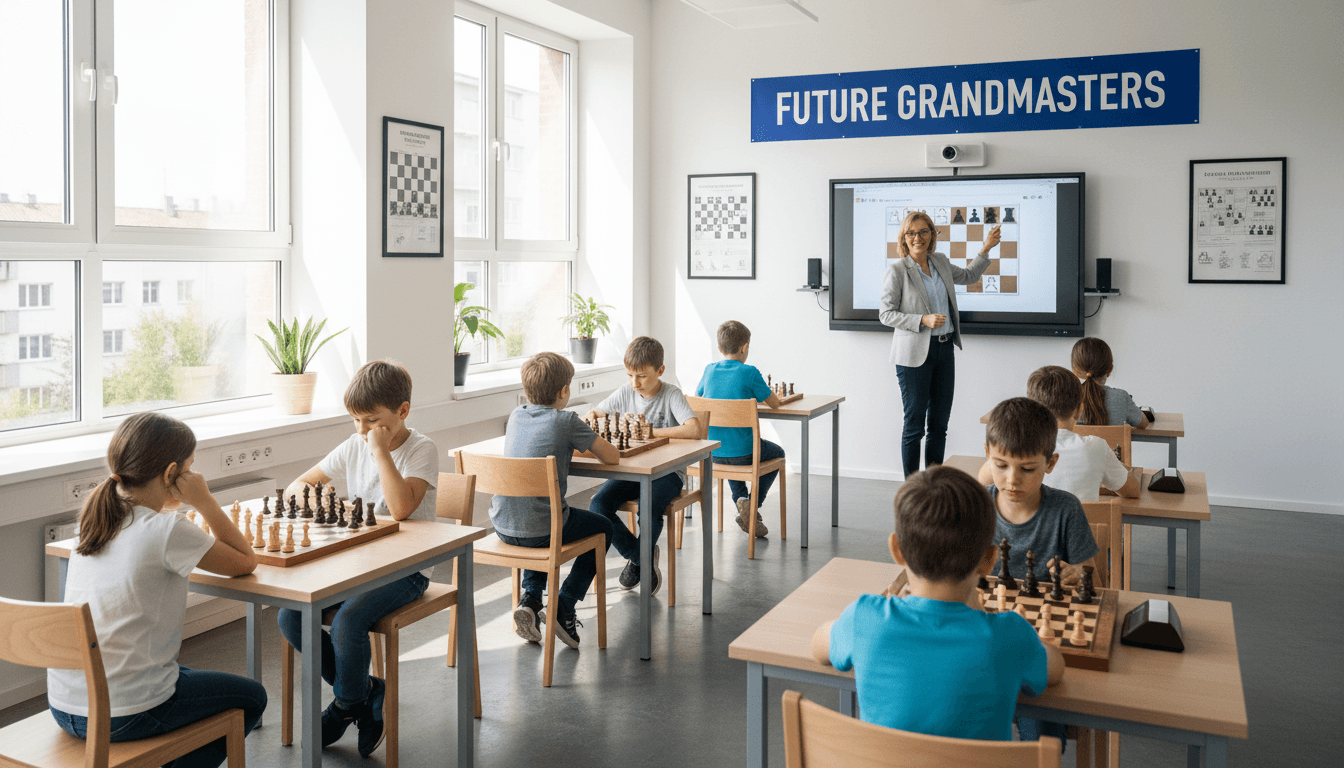
Once a child has mastered basic coordination, the journey moves toward structured expert coaching at the Richard Mayo Centre on Monday evenings. These sessions transition the player from casual hobbyist to disciplined student, focusing on the strategic principles required for regional junior chess tournaments. This environment builds the technical foundation necessary for the next phase of the Kingston upon Thames junior chess experience.
The final step in this natural pathway is the transition into the historic senior club. By collaborating with the 1875-founded institution, we ensure that maturing players have a direct route into adult leagues. This long-term development model, supported by a rigorous safeguarding policy, ensures that a child’s growth is never limited by their age or local resources.
More than Just Moves: Building Social Resilience in the KT Area
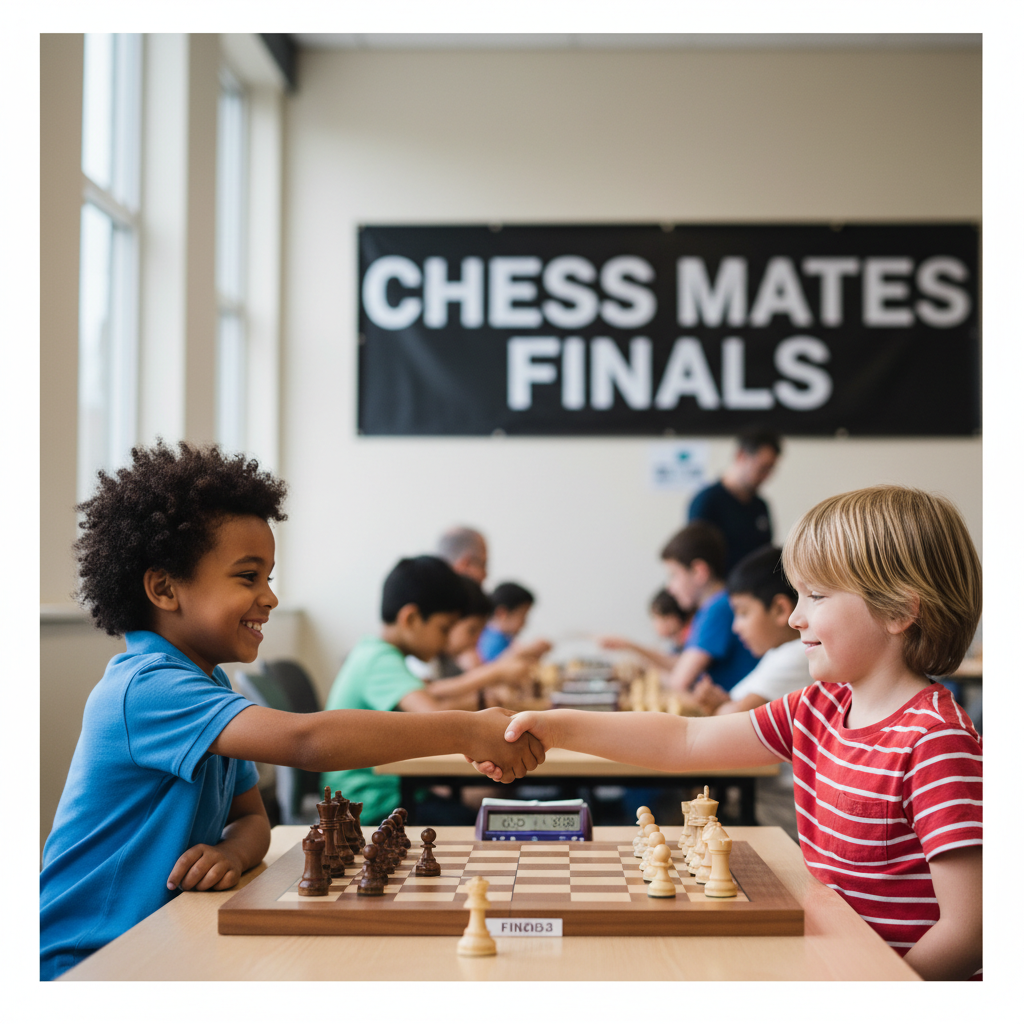
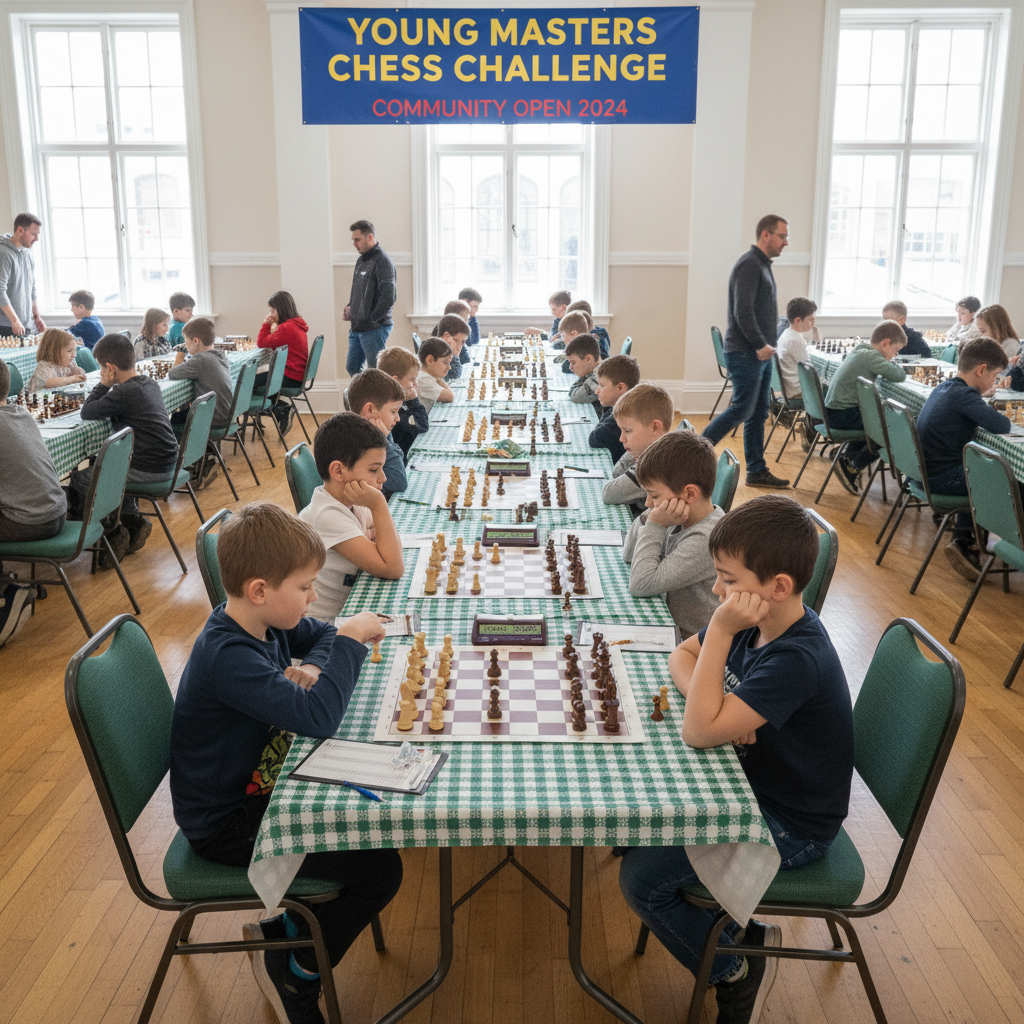
Beyond the tactical progressions, the real value of Kingston upon Thames junior chess lies in the social fabric it weaves across the borough. In an era of digital silos, the chess board acts as a bridge, connecting young players from Surbiton, New Malden, and Chessington. Local junior chess tournaments provide a structured environment where children interact with peers outside their immediate school circle, fostering a broader sense of community. This face to face engagement builds a specific type of social resilience; children must navigate the emotions of victory and the lessons of defeat while sitting directly across from an opponent, rather than behind a screen.
Sportsmanship is the foundation of our sessions at the Richard Mayo Centre. We insist on the traditional handshake before and after every game, a ritual that reinforces mutual respect and professional conduct. This practice helps demystify competition, turning an opponent into a partner in an intellectual exercise. Through expert coaching, we teach that the board is a place for rigorous debate where manners are non negotiable. This discipline builds the social confidence required to handle high stakes situations in later life, ensuring that players remain composed and respectful under pressure.
Parents often view the club as a vital third space, a safe environment between home and school where children can develop their identities while being part of a storied local tradition. Our commitment to a comprehensive safeguarding policy ensures that these interactions happen in a protected, professional setting. As children progress, they often find that the friendships formed over a shared chess clock are among their most enduring. Those interested in the logistics of these social sessions can find more details in our frequently asked questions, which outline how we manage group dynamics to ensure every child feels integrated into the Kingston chess community.