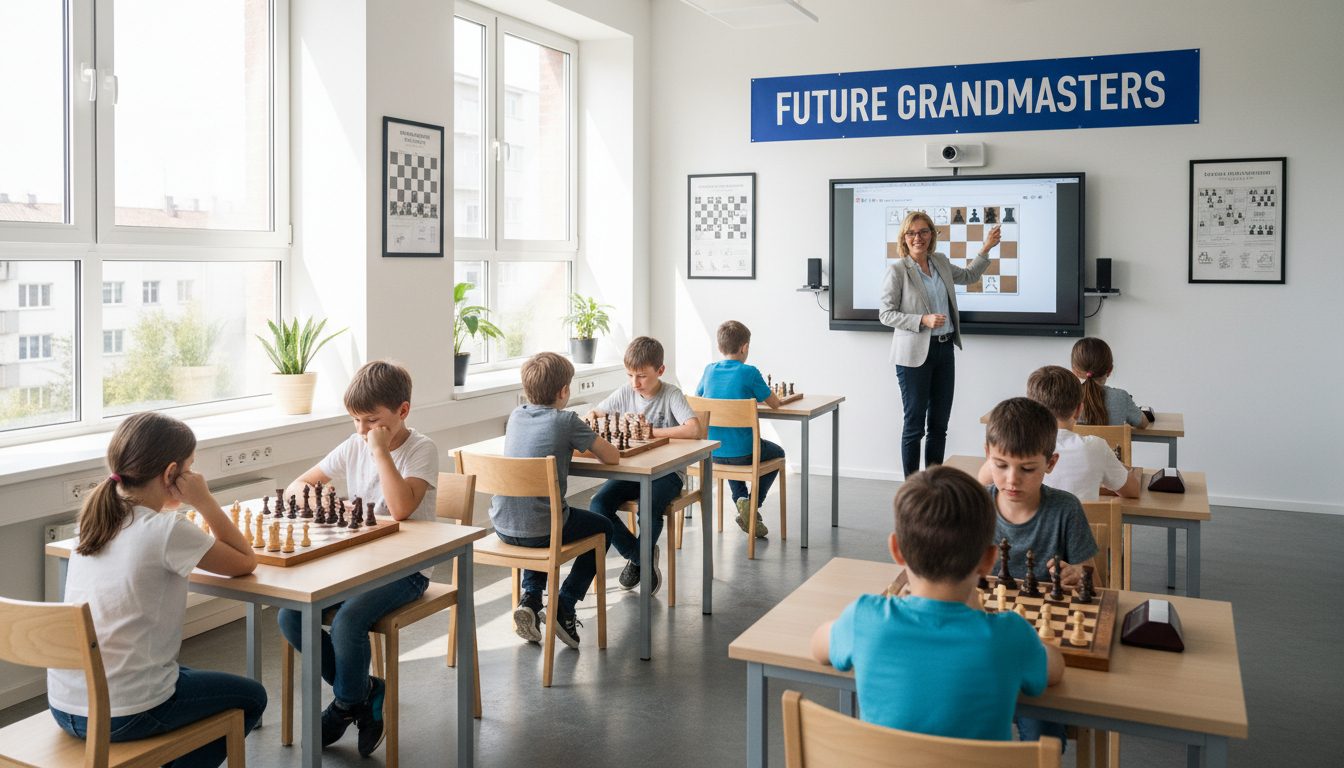
Determining which chess group is right for my child involves matching their age and maturity to the club's structure, as most children are ready for organized play between ages five and eight. Beginners benefit from casual clubs that focus on basic rules, whereas advanced students aged eight and up should seek competitive academies for high level coaching.
Many parents feel a sense of hesitation when enrolling their child in a chess club, fearing the environment might be either too competitive for a beginner or insufficiently challenging for a budding prodigy. Finding the correct fit is not merely about convenience; it is essential for fostering a lifelong appreciation for the game while ensuring steady tactical improvement. A child who is overmatched may quickly lose confidence, whereas a student who lacks competition will likely stagnate. In this guide, we break down the three pillars of successful placement, which are age, technical skill, and temperament. You will discover how to evaluate your child's current readiness, the distinct advantages of structured in-person coaching, and practical methods for managing the inevitable emotional highs and lows of competitive play.
Understanding the Three Pillars: Age, Skill, and Temperament
Determining which chess group is right for my child requires looking beyond how long they have owned a board. At Kingston Junior Chess, we find that placing a junior player based solely on their chronological age or their years of experience often leads to frustration. Instead, we evaluate three distinct pillars to ensure every young player in Kingston upon Thames finds a group where they can actually progress.
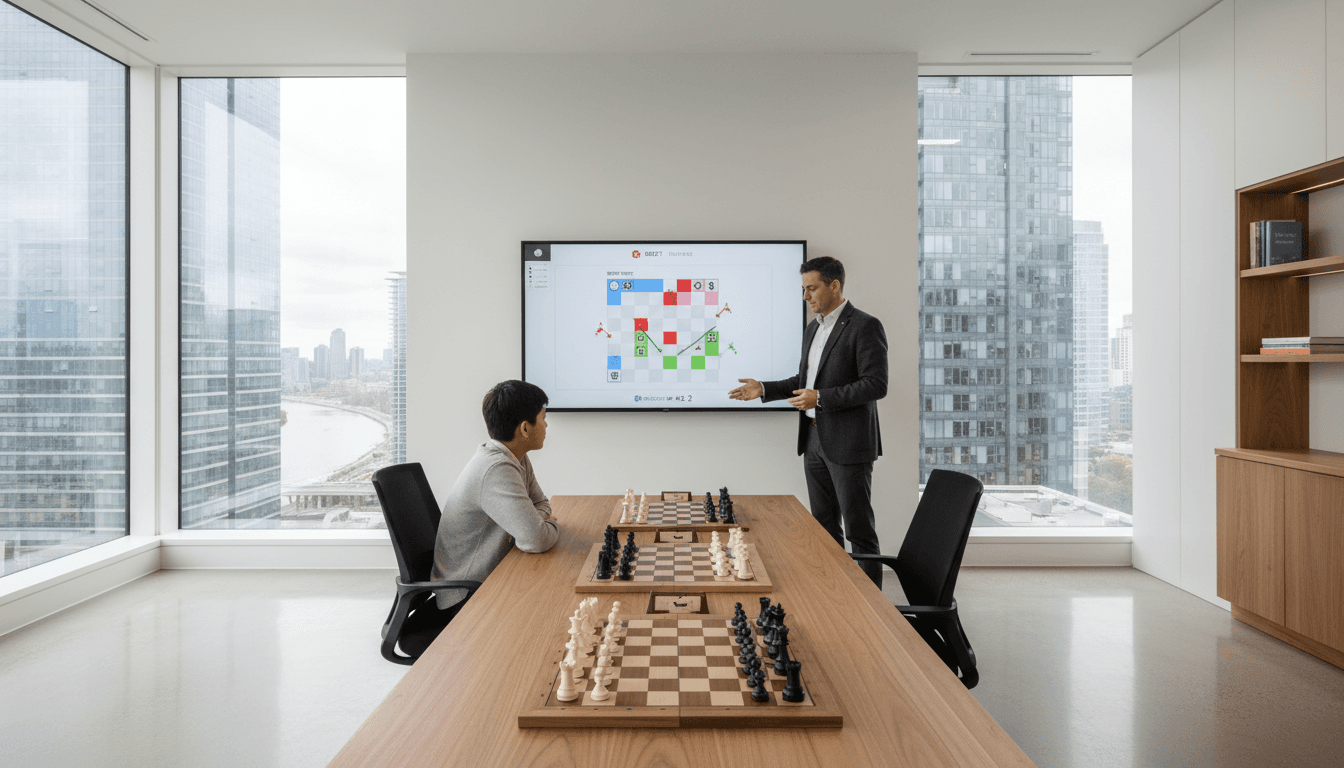
The first pillar is developmental age. While some children start at five like Magnus Carlsen, others find their stride at eight or even twelve. This is less about the date on a birth certificate and more about their capacity for abstract reasoning and their ability to follow a structured lesson. The second pillar is technical skill. There is a vast difference between a child who knows how the pieces move and one who understands basic tactical motifs or the importance of center control. Through our expert coaching and lessons, we assess whether a child is ready for foundational rules or advanced strategic play.
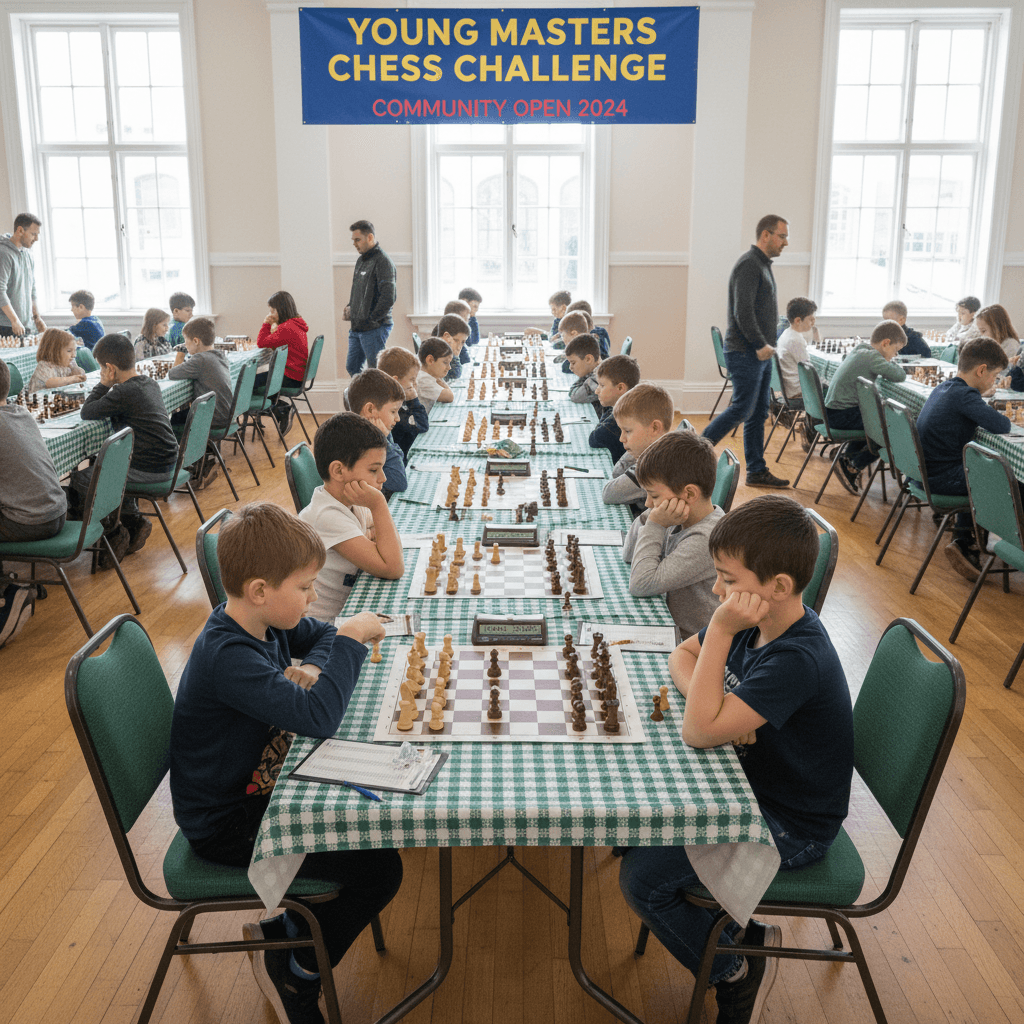
The third, and perhaps most vital, pillar is emotional temperament. Chess is a game of perfect information where losses can feel personal. A child’s ability to handle a defeat, maintain focus for fifteen minutes, and respect their opponent defines their readiness for competitive groups. Unlike generic online platforms, a local club environment provides the social scaffolding to build this resilience. In our Kingston community hall, children learn sportsmanship through face-to-face interaction and physical handshakes; these are social benefits that screen-based learning cannot replicate. When you book your first session, our coaches observe these three pillars in real time to ensure your child joins a cohort where they will feel both challenged and supported.
The Readiness Checklist: Is Your Child Ready for a Chess Club?

Determining if a child is prepared for a club environment involves observing how they interact with structured tasks. Parents often ask what is the best way for a child to learn chess, and while digital tools have their place, the most effective method is through social, supervised play. Before deciding which chess group is right for my child, we suggest conducting the Ludo Test. If a child can follow the turn-taking rules of a basic board game like Ludo or Snakes and Ladders, they possess the foundational logic required to navigate the chessboard.
Readiness also hinges on two cognitive milestones: pattern recognition and goal orientation. If your child enjoys puzzles or can recognize recurring shapes and symbols, they will likely grasp the movement of pieces quickly. Furthermore, if they can remain engaged for approximately fifteen minutes and understand the concept of a specific goal, such as reaching a destination or capturing a king, they are ready for formal instruction. This baseline ensures they can benefit from expert coaching and lessons without feeling overwhelmed by the technicalities of the game.
While platforms like ChessKid are excellent supplements for home practice, they cannot replace the environment of a local Kingston club. In-person play provides critical adult supervision and immediate peer feedback that helps children navigate the social nuances of the game. Our club maintains rigorous safeguarding policies and a supportive atmosphere where coaches can intervene during a game to explain a rule or offer encouragement. This face-to-face interaction fosters a level of sportsmanship and concentration that a screen simply cannot provide. If your child meets these simple readiness markers, you can book your first session to see how they thrive in a community setting.
Choosing by Age: From Early Years to Teenagers
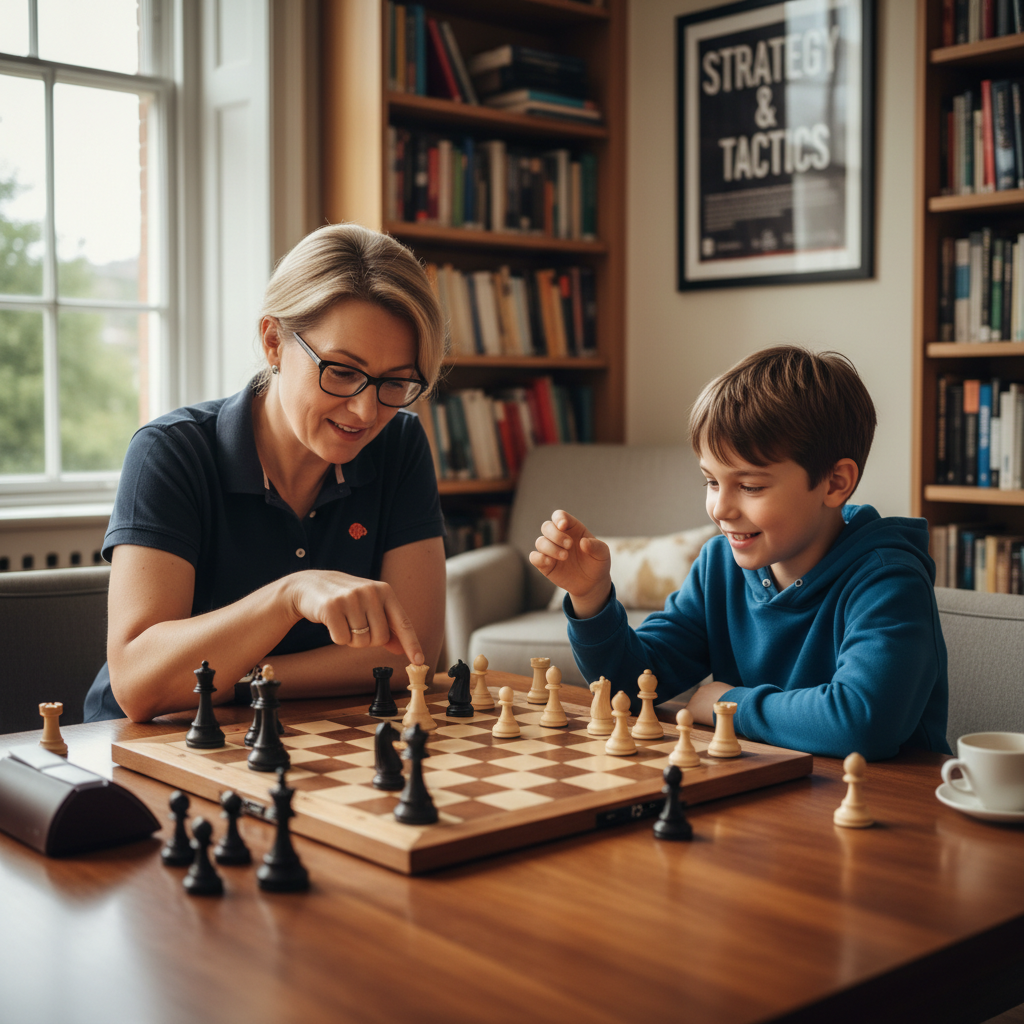
While every child develops at their own pace, age provides a reliable framework for structured learning. At Kingston Junior Chess, we use specific developmental milestones to help parents decide which chess group is right for my child, ensuring the curriculum matches their cognitive capacity and attention span.
For children aged five to seven, our focus remains on Chess Foundations. At this stage, the goal is to master piece movement, the relative value of each piece, and the fundamental rules of the game. Coaches emphasize spatial awareness, helping young players visualize how a Knight jumps or how a Rook guards a file. These sessions are designed to be tactile and engaging, preventing the chess fatigue that can occur if younger children are pushed into complex theory before they have mastered the mechanics of the board. By focusing on the basics, we build a sense of confidence that prepares them for more formal study later on.
Between the ages of eight and eleven, children typically enter the Strategic Play phase. This is an ideal window for expert coaching and lessons because the child’s brain is primed for tactical recognition. At this level, we introduce concepts like forks, pins, and skewers; these are the building blocks that allow a player to win material through logic rather than luck. Players in this cohort begin to formulate multi-move plans, learning to ask what their opponent is intending before they make their own move. Matching children with peers in this age bracket encourages healthy competition and social bonding within our Kingston community, making the learning process feel like a shared adventure.
For teenagers, the question often arises: is 13 too late to start chess? The answer is a definitive no. While famous grandmasters often start earlier, older beginners possess a significant advantage in abstract reasoning and logical deduction. A teenager can often grasp the nuances of an endgame or the logic behind a complex pawn structure much faster than a seven-year-old. Our club tailors coaching for older students to fast-track these foundational elements, allowing them to catch up to their peers through concentrated study and deliberate practice. By reviewing our club schedule, parents can find sessions that accommodate these different developmental needs. When a student is placed in the correct age-appropriate group, they are far more likely to develop a lifelong passion for the game. You can book your first session to see these tailored coaching methods in action.
Determining Skill Levels: Beginner, Intermediate, or Advanced?

Beyond chronological age, technical proficiency is the most accurate metric for finding the right cohort. When parents ask which chess group is right for my child, we look for specific mechanical and conceptual milestones. Placing a child in a group that matches their current ability ensures they are neither bored by repetition nor overwhelmed by complexity.
Level | Key Indicators | Primary Focus Areas |
|---|---|---|
Beginner | Learning piece names and basic movement; may still struggle with the Knight’s L-shape or the King’s restrictions. | Board geography, piece values, and the concept of checkmate. |
Intermediate | Knows all legal moves, including castling, en passant, and pawn promotion. Can identify unguarded or "hanging" pieces. | Tactical motifs such as forks and pins, basic opening principles, and piece coordination. |
Advanced | Proficient in algebraic notation; understands the importance of king safety and basic endgames like King and Queen versus King. | Positional strategy, complex tactical combinations, and efficient clock management. |
A common hurdle for young players is the "big fish in a small pond" syndrome. If a child only plays against younger siblings or parents who occasionally let them win, they often develop a false sense of security. This can lead to significant frustration when they eventually face a seasoned opponent in a competitive setting. By matching children with peers of similar strength through our expert coaching and lessons, we build genuine resilience. In these balanced matches, a loss is not a failure; it is a clear, diagnostic lesson in strategy.
Finding this balance is a core part of how we manage our club schedule. We ensure that advanced players are pushed by their peers, while beginners have the space to make mistakes without judgment. This peer-to-peer calibration, overseen by experienced coaches, allows children to see their progress in real time as they move through the ranks. When you book your first session, our initial assessment helps place your child where they can experience the satisfaction of a hard-earned victory while developing the mental toughness required for long-term growth.
Why In-Person Coaching Beats Generic Online Classes
While searching for online chess classes for beginners yields thousands of digital options, a screen cannot replace the nuanced dynamics of a local club. In our bright Kingston community hall, the transition from clicking a mouse to moving a physical piece changes the way a child perceives the board. The spatial awareness gained from three-dimensional play is essential for long-term development. At Kingston Junior Chess, the immediate feedback from expert coaching and lessons allows for real-time correction of tactical errors that automated systems often miss. A coach can see a child’s hesitation or a furrowed brow, intervening to explain a concept before frustration sets in.
Physical play also fosters a level of sportsmanship that digital platforms lack. Shaking hands before and after a game, maintaining eye contact, and sitting across from a peer build social resilience and mutual respect. These interactions help parents determine which chess group is right for my child based on how they handle the social pressure of a live match. Our club provides a supportive community environment where young players connect with fellow enthusiasts in Kingston upon Thames, turning a solitary mental exercise into a shared social experience. When you book your first session, you will see that the energy of a room full of focused players offers a level of motivation that a generic online course simply cannot replicate.
Common Parent Concerns: Stress, Losses, and Longevity
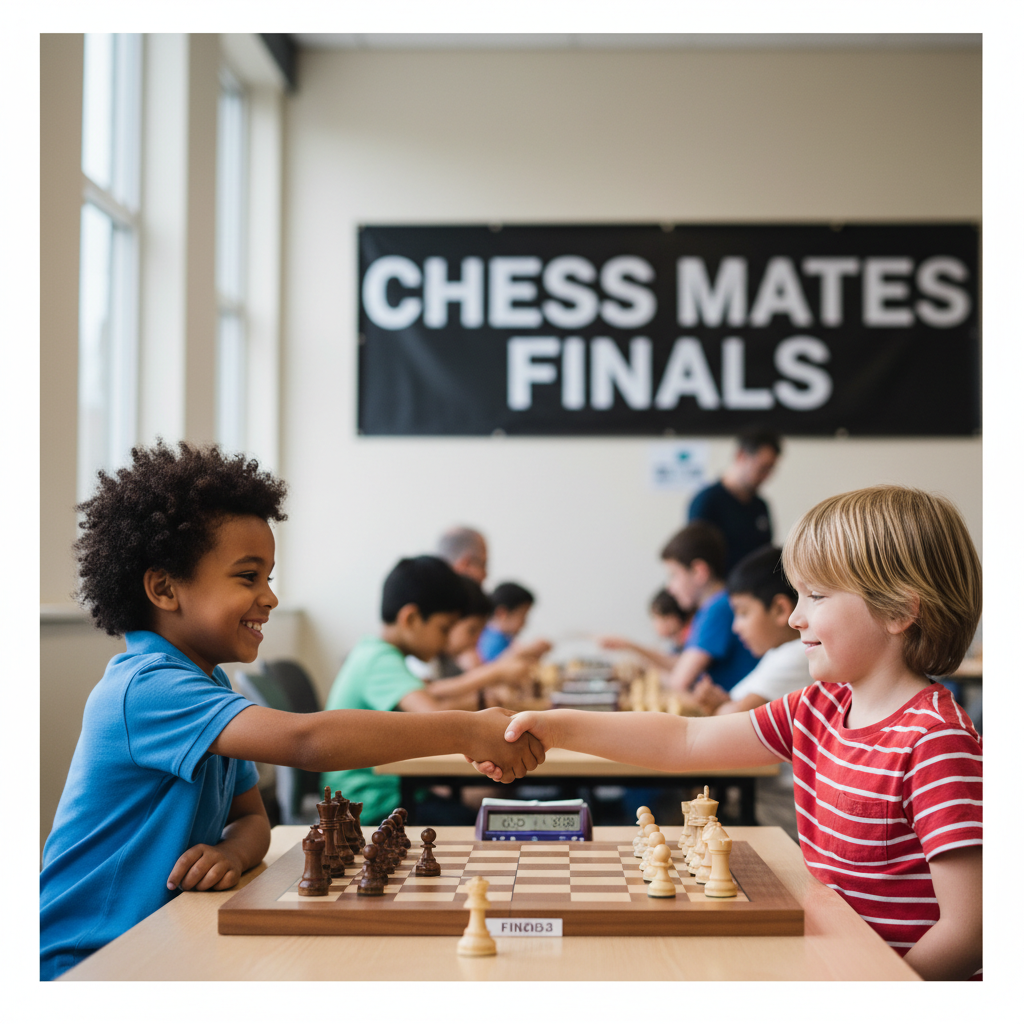
Even the most enthusiastic young players encounter the emotional weight of the game. Because chess is a game of skill rather than luck, a loss can feel like a direct critique of a child’s intelligence. This is why determining which chess group is right for my child involves assessing emotional resilience as much as tactical ability. At Kingston Junior Chess, we minimize chess fatigue by ensuring children are not repeatedly mismatched against much stronger players, a situation that often leads to shame or a desire to quit.
Our coaches prioritize a growth mindset where mistakes are treated as diagnostic tools rather than failures. We encourage parents to support this by shifting the conversation after a session. Instead of asking "Did you win?", try asking "Did you have an interesting game?" or "Did anything feel interesting on the board today?". This reframes the experience around curiosity and strategy rather than the final result. In our calm community hall, even shy children can thrive when they know the environment is safe and governed by clear safeguarding policies. By selecting a group through our club schedule that matches both skill and temperament, you ensure chess remains a lifelong passion rather than a source of stress. The goal of expert coaching and lessons is to build the mental stamina required to handle these pressures gracefully before you book your first session and start their journey.
Finding the perfect chess group is all about matching your child's current comfort level with a community that challenges them just enough to grow. Whether they are just starting to learn the moves or are ready for competitive play, the right environment makes all the difference in their long-term engagement. If you want expert help identifying the best fit for your young player, professional guidance can simplify the process. You can read more About our philosophy and how we help every child find their ideal seat at the table.