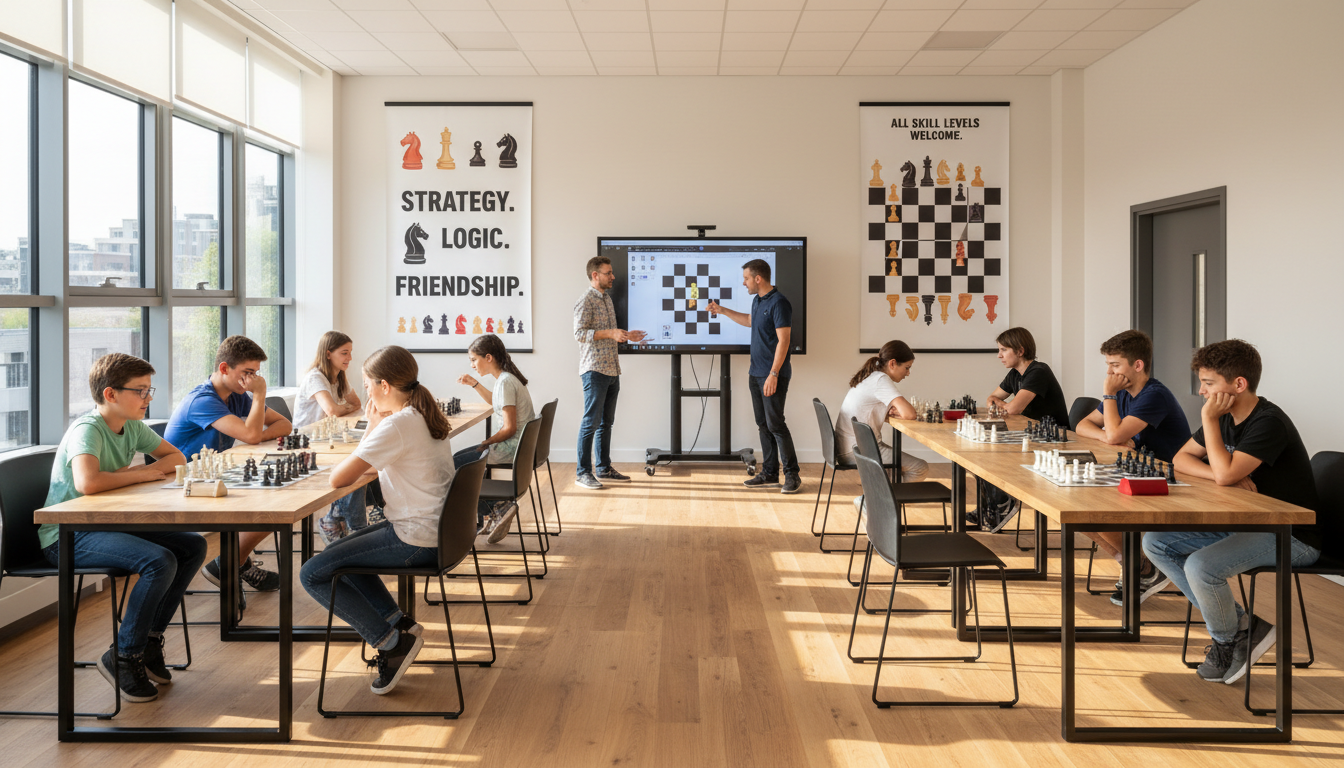
Effective chess openings practice for children involves using spaced repetition tools and focusing on straightforward, low-theory systems like the London System or Italian Game. Parents can help by prioritizing the understanding of opening principles over deep memorization; this ensures a solid foundation while leaving room for essential tactical training.
Many parents watch their children struggle through the first dozen moves of a match, feeling helpless because they do not know a Sicilian from a Slav. You want to support your child's progress, yet the sheer volume of chess theory feels like an insurmountable barrier for a non-expert. However, effective practice at the junior level is not about deep engine analysis; it is about providing the structure and consistency a young mind needs to build confidence. In this guide, we will demonstrate how you can become an essential facilitator in your child's development without ever needing to study a grandmaster manual. You will learn the efficiency of the one opening rule, the importance of physical drills, and how to apply the 20-40-40 rule to ensure their study time remains balanced and productive for long term growth.
The Parent Role in Chess Openings Practice: Facilitator, Not Grandmaster
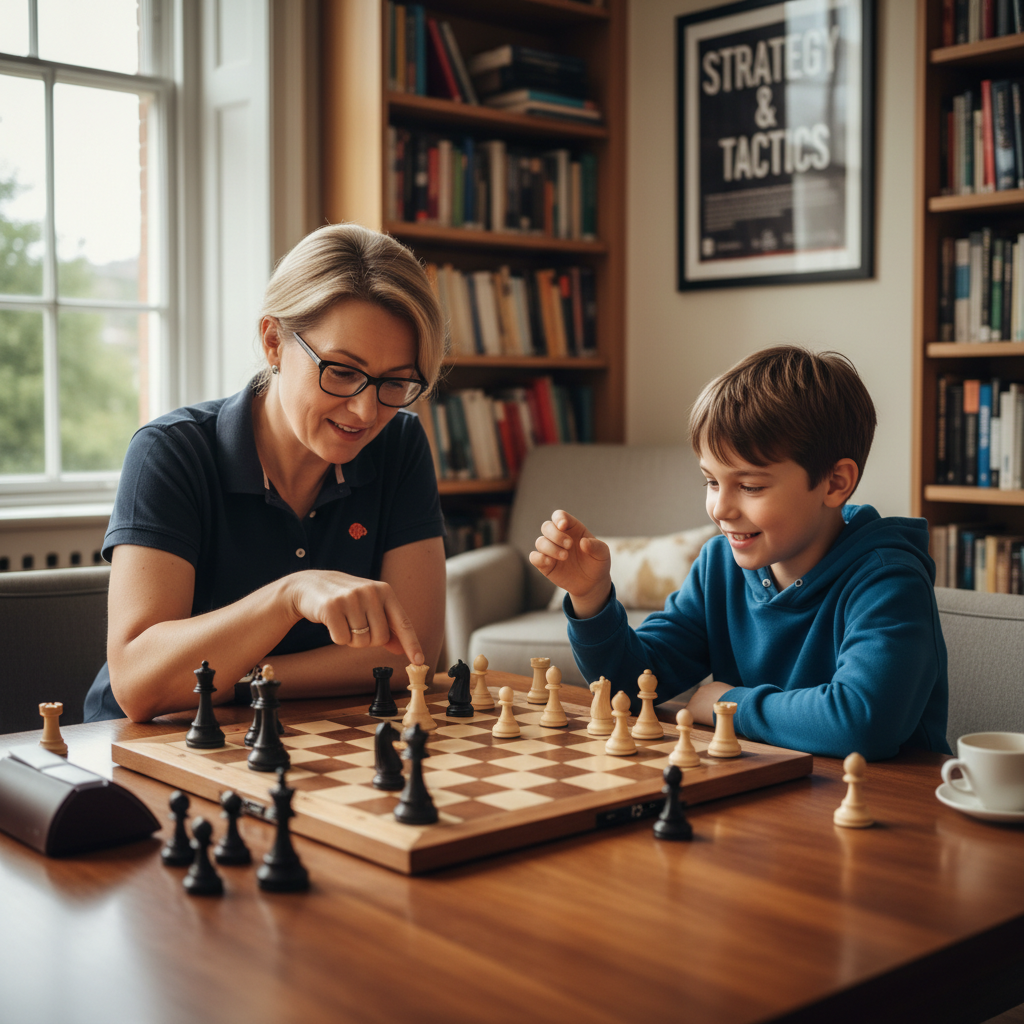
Many parents at Kingston Junior Chess experience an understandable sense of trepidation when their child begins preparing for junior chess tournaments. It is common to feel that supporting a budding player requires a deep, technical understanding of theory. However, there is a vital distinction between teaching a subject and facilitating its practice. While expert coaching provides the technical roadmap, the parent's most effective contribution is providing the structure and encouragement necessary for consistent improvement.
Your primary objective is not to correct a specific move or point out a tactical blunder in the Ruy Lopez. Instead, you serve as the organizer of their chess openings practice. This involves helping them maintain a routine, setting up the physical board, or simply being the person who asks, "What was the goal of that first move?" Even in a chess-rich area like Kingston upon Thames, many of our club parents are absolute beginners themselves, learning the basic mechanics of the game alongside their children. By focusing on the logistics of chess practice sessions rather than the nuances of Grandmaster theory, you remove the pressure from yourself and create a supportive environment where your child feels empowered to lead their own discovery of the game.
Start Small: The One Opening for White and One for Black Rule
A common pitfall for young players is attempting to memorize a dozen different systems simultaneously, which often leads to confusion and superficial play. Instead of browsing through an encyclopedia of chess moves, focus their chess openings practice on a singular, robust repertoire: one opening for when they play with the White pieces and one reliable response when they play as Black. This targeted approach is essential for building confidence during their initial junior chess tournaments.
For beginners, the Italian Game (starting 1. e4 e5 2. Nf3 Nc6 3. Bc4) is widely regarded as the most effective starting point for White. It emphasizes fundamental principles such as controlling the center and developing pieces quickly. When playing Black, we often recommend the Scandinavian Defense or the Slav Defense. These choices are practical because they lead to solid pawn structures and predictable piece placement, making it easier for a child to understand their objectives without needing to memorize hundreds of variations.
Limiting the scope of study reduces the cognitive load significantly. By repeating the same few positions, children move beyond rote memorization and begin to recognize recurring tactical patterns. This depth of understanding is far more valuable than a shallow knowledge of many openings. As they receive expert coaching at the club, they can refine these specific lines, turning their home chess openings practice into a foundation for long term strategic growth.
Flashcards and Physical Drills: Low Tech Ways to Help at Home
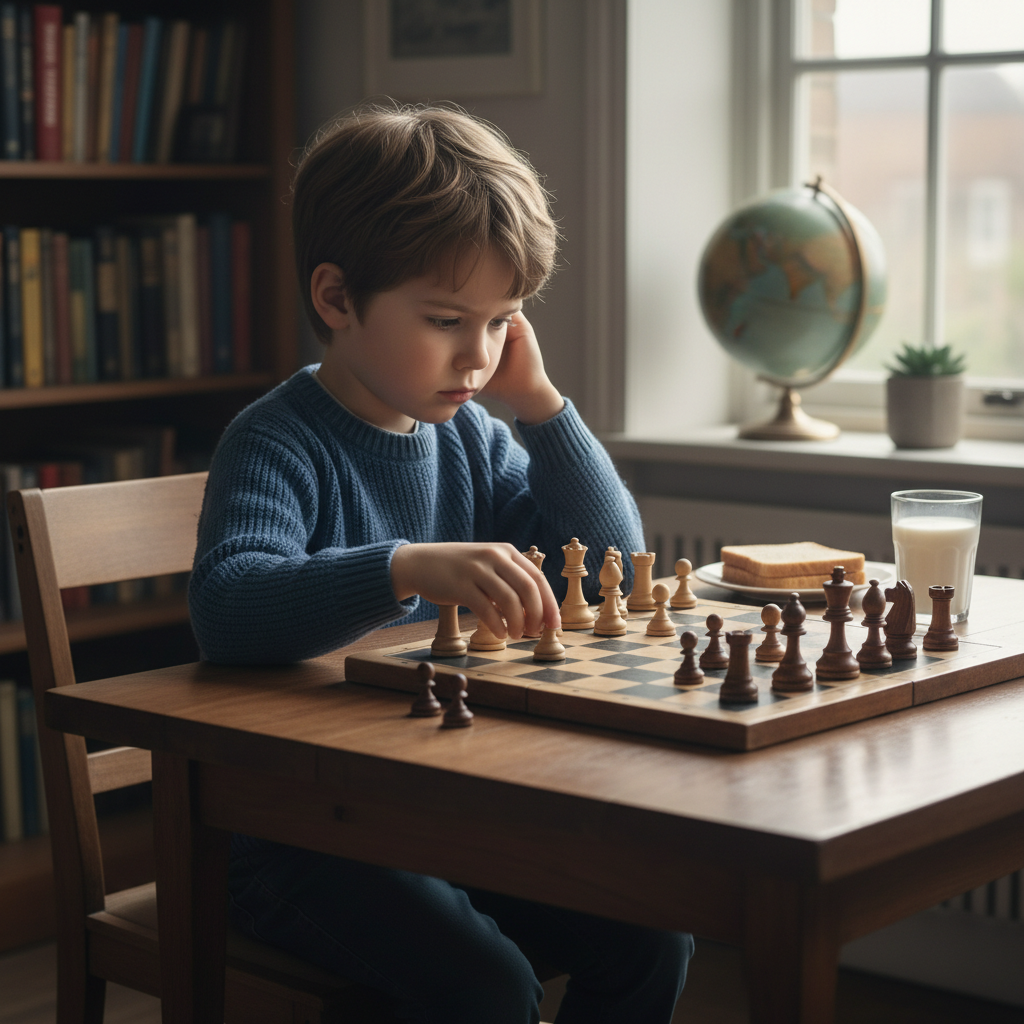
Building a narrow repertoire is the first step, but transforming that knowledge into muscle memory requires tactile engagement. While screen time has its place, physical drills on a real board remain the gold standard for developing a sense of space and piece coordination. You can support your child’s chess openings practice by creating a set of physical flashcards or a simple, printed reference guide.
On the front of each card, place a diagram of a key position, such as the starting point of the Italian Game or the Scandinavian Defense. On the reverse, list the next three to five optimal moves. During your chess practice sessions, show your child the diagram and have them physically play out the sequence on the board. This physical movement helps bridge the gap between abstract study and the reality of a match. It turns a theoretical idea into a tangible habit.
Your role during these drills is to be a curious observer rather than a critic. Ask your child, "What is the main goal of this opening?" They might explain that the goal is controlling the center, preparing for castling, or developing the minor pieces quickly. This verbalization is a core component of expert coaching because it forces the player to move beyond rote memorization and articulate a strategic plan. By acting as the facilitator who sets the stage, you allow your child to lead the session. This builds the quiet confidence they will need when they sit down for their first game in competitive junior chess tournaments in Kingston or the surrounding area.
Understanding the 20 40 40 Rule in Junior Development
A balanced approach to study is critical for long term improvement. While mastering the first few moves provides a strong start, a common mistake in junior development is overemphasizing this initial phase. To manage this, we follow the 20 40 40 rule. This framework suggests that a player’s study time should be allocated as 20% to openings, 40% to the middlegame, and 40% to the endgame.
Applying this ratio to your child’s chess openings practice helps maintain perspective. If a young player spends all their energy memorizing the Italian Game but lacks tactical awareness, they will struggle once the theory ends. Conversely, a child who reaches an advantageous position through a solid opening but cannot convert a winning pawn endgame will find competitive junior chess tournaments frustrating. A perfect opening only matters if the player has the skills to finish the job.
At Kingston Junior Chess, our expert coaching methodology ensures a balanced diet of skills. We dedicate significant time to tactical patterns and king safety to ensure players can navigate the complexities that follow the opening moves. When organizing chess practice sessions at home, try to mimic this variety. Devoting a short period to an opening followed by focused time on puzzles or endgame drills creates a well rounded competitor who is prepared for every stage of the game.
Leveraging Online Chess Openings Practice Tools Together
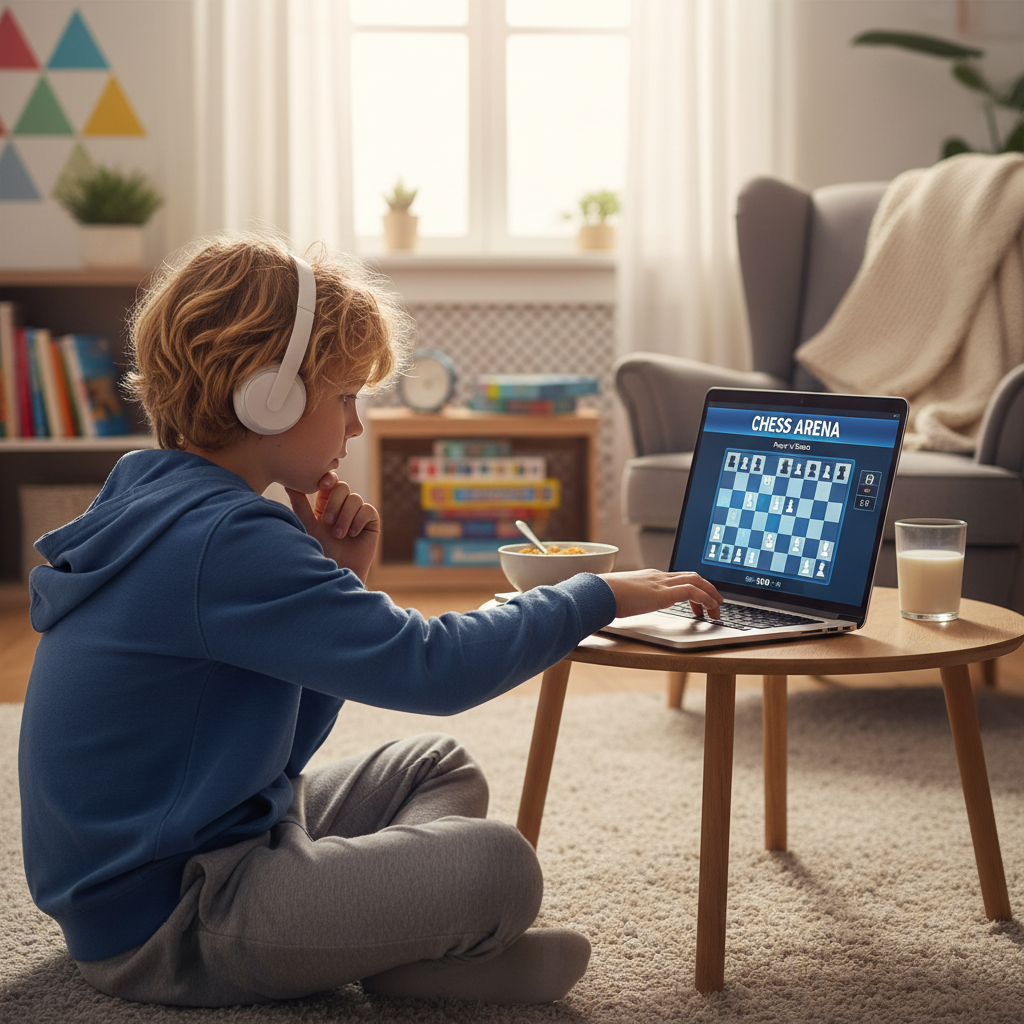
To maximize the 20% of study time dedicated to the first phase of the game, digital platforms can provide a significant efficiency boost. Modern chess openings practice often relies on a concept called spaced repetition, a learning technique integrated into tools such as Chessable and Chess Tempo. These platforms work by presenting specific opening lines at scientifically determined intervals. If a child remembers the correct move, the system waits longer before testing them again; if they make a mistake, the move is repeated more frequently until the response becomes instinctive. This builds the deep muscle memory required to navigate the early stages of a game without depleting mental energy.
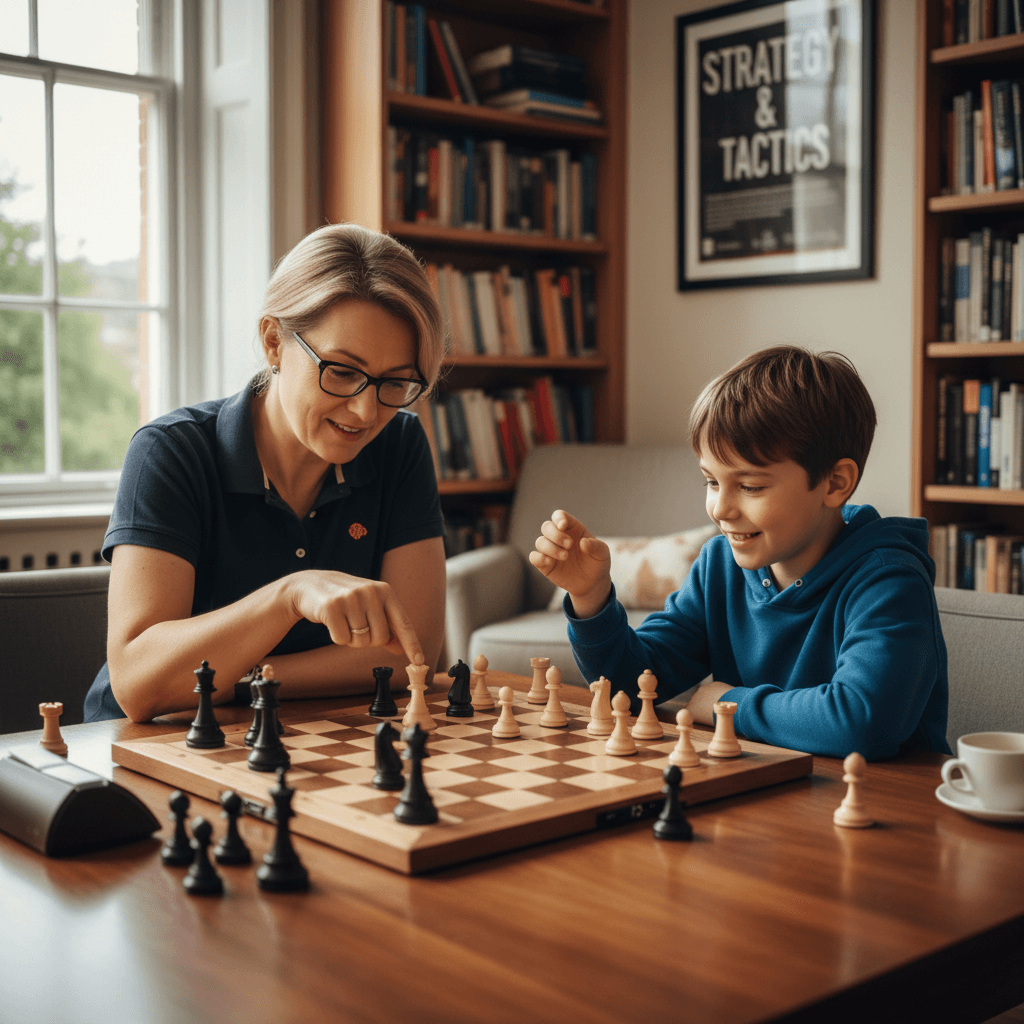
For parents, these digital tools are most effective when used as a collaborative activity rather than a solitary one. We suggest sitting with your child for just ten minutes during their chess practice sessions to simply watch them train. You do not need to understand the engine evaluations or the theory behind the moves. Your presence acts as a focus anchor, providing the accountability necessary to prevent the mindless clicking that can occur when children are left alone with a screen.
By engaging with these tools together, you help ensure that their study time remains high quality. This preparation is invaluable for junior chess tournaments, where a solid opening foundation allows a player to start the game with confidence. When a child has used spaced repetition to master their basic repertoire, they arrive at our expert coaching sessions in Kingston ready to move beyond rote moves and begin discussing the complex strategic plans that follow.
How to Use Spaced Repetition Without a Computer
While digital tools offer efficiency, the principles of spaced repetition are easily translated to a tangible home routine. You can implement a weekly opening schedule where your child plays through the first five moves of their chosen White or Black system every Monday, Wednesday, and Friday. These brief chess practice sessions should last no more than five to ten minutes. The objective is not to play a complete game or search for a checkmate; instead, the goal is reaching a familiar position where the pieces are developed and the king is safe.
By revisiting the same sequence at these specific intervals, the logic behind the moves becomes second nature. This consistency removes the opening anxiety often felt by new players. When they finally join us for expert coaching or their first session at our club in Kingston, they will arrive with the quiet confidence of knowing exactly where their pieces belong. This foundational chess openings practice ensures they don't start their games on the back foot, allowing them to focus their mental energy on the creative middlegame battles that follow.
Common Practice Mistakes and How to Avoid Them
Refining the mechanical aspects of chess openings practice is only effective when paired with conceptual understanding. The most common mistake for young players is falling into the trap of blind memorization. Learning a sequence by rote is brittle; if an opponent makes an unexpected move, a child who does not grasp principles like center control or piece activity will struggle to adapt.
During your chess practice sessions, focus on the logic behind the layout. Ask your child, "Why did you move that piece?" Even if you are unfamiliar with the technical theory, the act of explaining their reasoning reinforces their expert coaching. This process turns a memorized pattern into a flexible strategic tool, ensuring they are prepared for the unpredictable nature of competitive play.