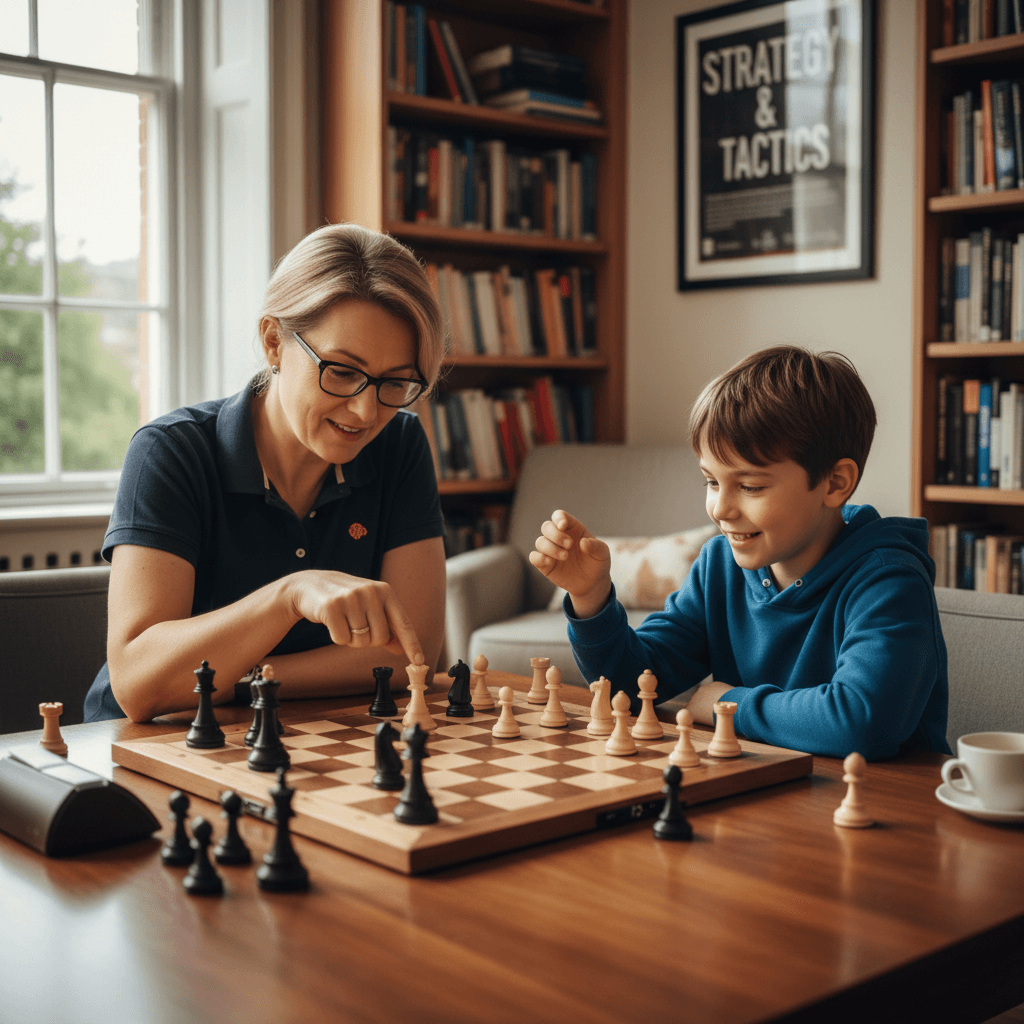
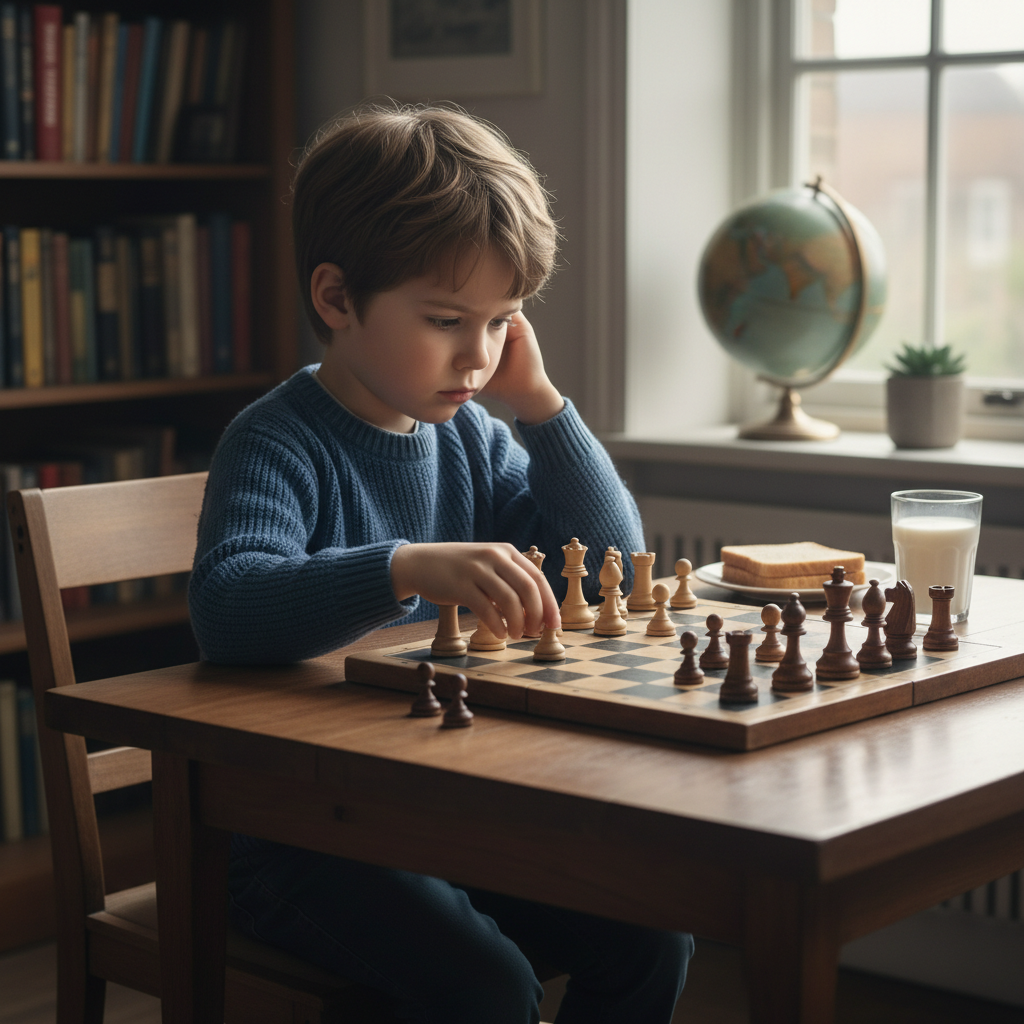
The most common chess mistakes kids make include hanging pieces, moving too quickly, and neglecting king safety by moving too many pawns or bringing the queen out early. These errors can be fixed by asking one simple question before every move: what did my opponent’s last move attack and what does my move leave undefended? This safety check routine prevents blunders and ensures that every piece remains protected throughout the game.
Every coach at Kingston Junior Chess knows the specific frustration of watching a promising student fall into the same tactical trap three games in a row. It is rarely a lack of intelligence; often, it is a byproduct of youthful enthusiasm and the absence of a consistent mental filter. When a child blunders their queen after a brilliant opening, it feels like a setback for their confidence. Understanding these patterns is the first step toward mastery. In this guide, we will analyze the three most frequent opening errors and the impulsive speed demon trap that plagues young players. We will also reveal one simple, transformative question that can break this cycle of mistakes. By adopting this technique, your child can move beyond frustrating blunders to develop the resilience and tactical discipline required for competitive success.
The Mystery of the Repeated Blunder: Why Kids Keep Making the Same Mistakes
Parents often ask, "Why does my child keep making the same chess mistake?" It can be frustrating to watch a junior player lose their Queen for the third time in a row, especially when you know they understand the rules. This repetition is not a sign of poor memory or lack of effort; it is a fundamental part of how a young brain develops board vision.
Board vision is the ability to see the entire 64 square landscape as a single, interconnected system. For a developing mind, the brain naturally prioritizes its own intentions. When a child sees a potential checkmate or a clever way to capture a pawn, their focus narrows significantly. Neurologically, their cognitive load is entirely consumed by their own plan, leaving no room to process the opponent’s threats. They are effectively blind to the other side of the board because their executive function is still maturing and lacks the "background processing" power of an experienced player.
A key distinction we make during our expert coaching is that recognition lags behind explanation. A child might be able to perfectly explain why they should not move the same piece twice in the opening, but executing that knowledge under the pressure of a ticking clock is a different skill set. Knowing the theory is a cognitive task; applying it consistently is a neurological habit that takes hundreds of repetitions to automate. Just because they can explain the mistake does not mean their brain is yet wired to catch it in real time.
At our weekly junior chess club in Kingston upon Thames, we normalize these blunders as vital data points. Common chess mistakes kids make, such as hanging pieces or ignoring discovered attacks, are not failures but evidence of the learning process. By providing a supportive community environment, we help children realize that every Grandmaster once made these exact same errors. Incorporating structured chess practice tips helps bridge this gap between knowing the right move and actually making it when it counts.
The Big Three: Most Common Chess Mistakes Kids Make in the Opening
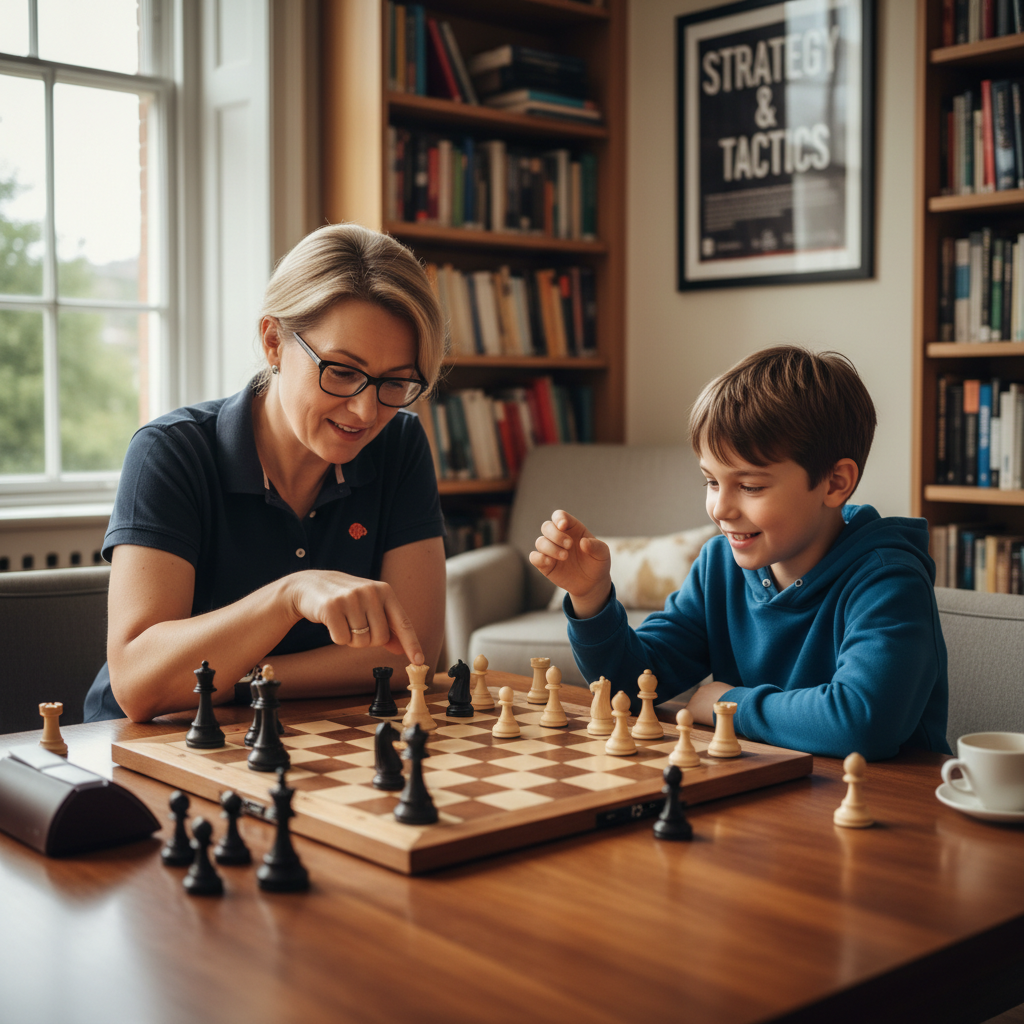
Understanding the neurological roots of blunders is the first step. The next is identifying the specific patterns where these lapses occur. At our weekly junior chess club in Kingston upon Thames, we observe three recurring themes that define the opening stage for most new players. These errors often stem from a desire to attack immediately rather than building a solid foundation.
Excessive Pawn Moves: Young players often treat pawns as their primary army, moving four or five of them before a single Knight or Bishop enters the game. While controlling the center is essential, pawns cannot deliver a checkmate or defend complex threats alone. Each pawn move that does not facilitate piece coordination is a missed opportunity to develop a piece. We teach that pawns should open doors for your pieces, not act as a permanent wall that traps your own army.
The Early Queen Launch: The allure of the Queen is undeniable, leading many to bring her out on move two or three. This is one of the most common chess mistakes kids make because it allows the opponent to develop their minor pieces while simultaneously attacking the Queen. By the time the Queen retreats to safety, the opponent has developed several pieces and gained total control of the board. The Queen is a powerful finisher, not a scout; she belongs in the background until the minor pieces have prepared the way.
Neglecting King Safety: Junior players frequently get caught up in the excitement of an attack and forget to castle. A King stuck in the center is a magnet for tactical strikes, especially when the central files open up. Castling is a vital step in piece coordination that secures the King while bringing a Rook toward the center files.
In advanced circles, coaches often discuss the 20 40 40 rule, which suggests players spend 20 percent of their study time on openings, 40 percent on the middlegame, and 40 percent on the endgame. For juniors, however, this balance is often skewed because games are frequently decided in the first ten moves. Through our expert coaching, we prioritize these three opening principles to ensure kids reach the middlegame with a competitive advantage. Consistent chess practice tips, such as the rule of "pieces before pawns," help transition a child from impulsive play to strategic development.
The Speed Demon Trap: Why Moving Too Fast is a Tactical Error
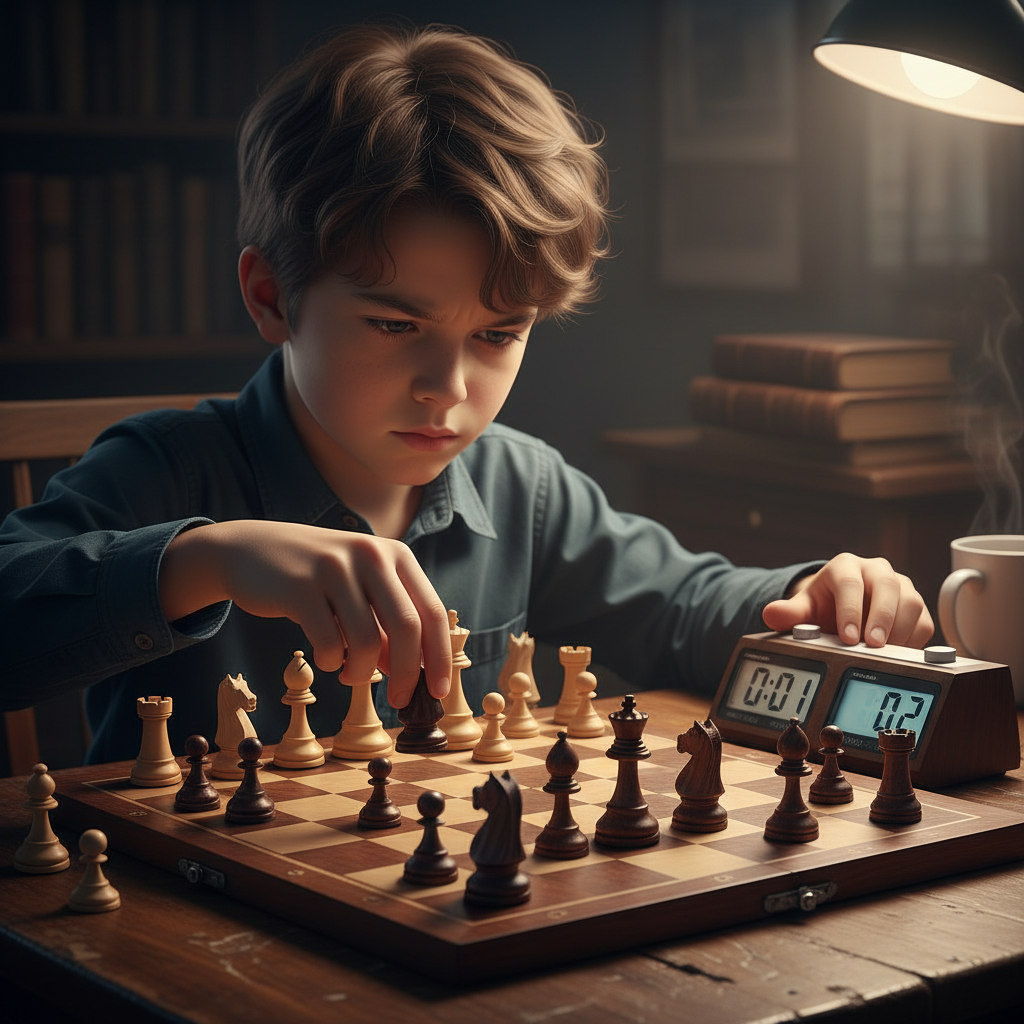
Even when a child understands opening principles, their progress often hits a physical hurdle: the impulse to move instantly. In the fast paced environment of junior play, many children equate speed with confidence. They feel a rush of excitement when they see a possible move, leading them to reach for a piece before their brain has fully processed the consequences. This lack of impulse control is the primary driver behind hanging pieces, which are simply valuable pieces left undefended or moved directly into the line of fire.
At our weekly junior chess club, we observe that these common chess mistakes kids make are rarely due to a lack of knowledge. Instead, they are a byproduct of the brain's reward system prioritizing action over reflection. To combat this, our expert coaching emphasizes the three second pause habit. We teach children to sit on their hands or count to three silently before touching any piece. This brief, deliberate delay creates the necessary mental space for the analytical brain to flag potential threats that a hurried glance would miss.
By turning this pause into a physical ritual, players begin to break the cycle of reactive play. Incorporating this technique into regular chess practice tips helps children transition from impulsive speed demons to thoughtful strategists who value accuracy over velocity. This shift in tempo is often the exact moment a junior player begins to see the board as a professional does.
The One Question Fix: Transforming Chess Habits One Move at a Time
The three second pause provides the physical time to think, but the quality of that thinking determines the outcome of the game. When a junior player slows down, they often do not know exactly what they should be looking for. Overloading a young mind with a complex, ten point mental checklist often backfires; the cognitive effort required to remember the list leaves no room for calculating the actual moves. Instead, we advocate for a simpler, more potent solution: The Pre-Move Question. Before touching any piece, the player must ask, "What does my opponent want to do next?"
This single inquiry is the most effective tool to counter common chess mistakes kids make, specifically the tendency to ignore the opponent's latent threats. By asking this, the child forces their brain to switch from a purely offensive mindset to a defensive scan. It bridges the gap between seeing a piece and recognizing its purpose. If the opponent just moved a Knight, this question prompts the child to see that the Knight now threatens a fork or has vacated a square for a Bishop. It transforms the board from a static collection of wooden figures into a dynamic field of intentions.
For parents supporting their children at home, the application of this technique is just as important as the question itself. We often see well meaning parents point out every single error a child makes during a practice game. This leads to correction overload, where the child becomes discouraged and stops enjoying the process. Through our expert coaching at Kingston Junior Chess, we recommend a more surgical approach. Pick one specific recurring issue, like the early Queen launch, and use the Pre-Move Question gently and exclusively to address that pattern.
When you notice a mistake during home play, avoid analyzing the entire game immediately. Instead, review one specific position where the Pre-Move Question would have changed the outcome. Incorporating this into your chess practice tips ensures the child stays positive and focused. Over time, this question becomes a subconscious internal monologue, a hallmark of the strategic thinking we foster at our weekly junior chess club.
Beyond the Board: Building Resilience and Sportsmanship
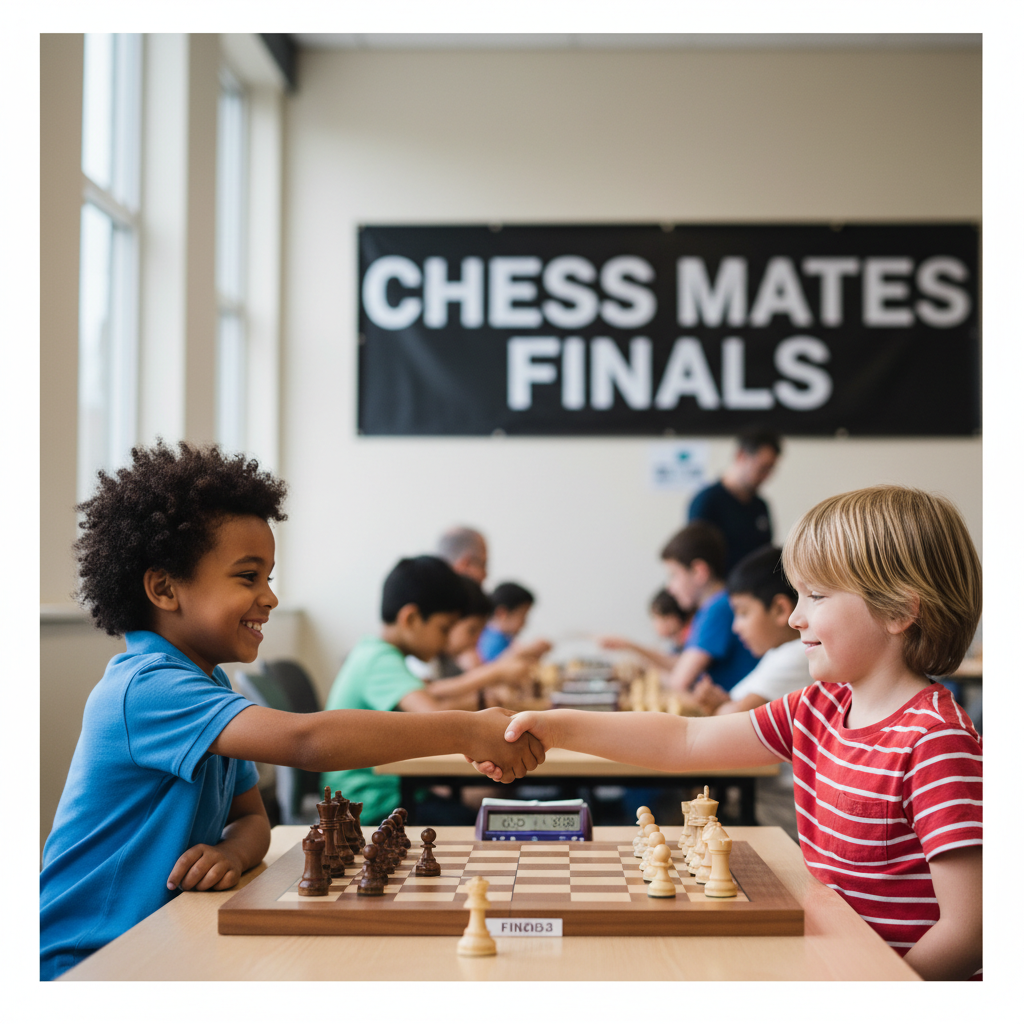
Even with the best physical pauses and the most disciplined pre-move questions, errors will occur. For a young player, a sudden blunder can feel like a personal failure rather than a tactical lapse. This emotional reaction is often more damaging to their long term development than the mistake itself. At Kingston Junior Chess, we believe the most important lesson learned at our weekly junior chess club happens after the clocks are stopped. We teach children to view blunders not as reflections of their intelligence or ability, but as objective data points. Each lost Queen or missed checkmate is simply a specific piece of information that highlights a gap in their current board vision.
Building this resilience is central to our expert coaching philosophy. We encourage a culture of sportsmanship where the post-game handshake is followed by a brief, neutral analysis. When a child loses due to one of the common chess mistakes kids make, such as a missed fork or a hanging piece, we avoid emotional language. Instead of asking "Why did you do that?", we ask "What did the board show us here?". This shift from personal blame to critical thinking helps the child detach their self-worth from the result of the game.
To support this at home, parents can incorporate chess practice tips that focus on the recovery rather than the result. If a child becomes upset after a blunder, allow the emotion to pass before looking at the board. By treating every game as a laboratory for improvement, we help the young players in Kingston upon Thames develop the mental toughness required for both the chessboard and their wider lives.
Mastering the habit of asking what an opponent is planning is the most effective way for young players to break the cycle of simple mistakes. While this shift in mindset takes time to develop, it provides a strong foundation for long-term improvement. If you feel your child would benefit from expert guidance or a structured environment, we are here to help. You can read more about our program to see how we support junior players in reaching their full potential on the board.