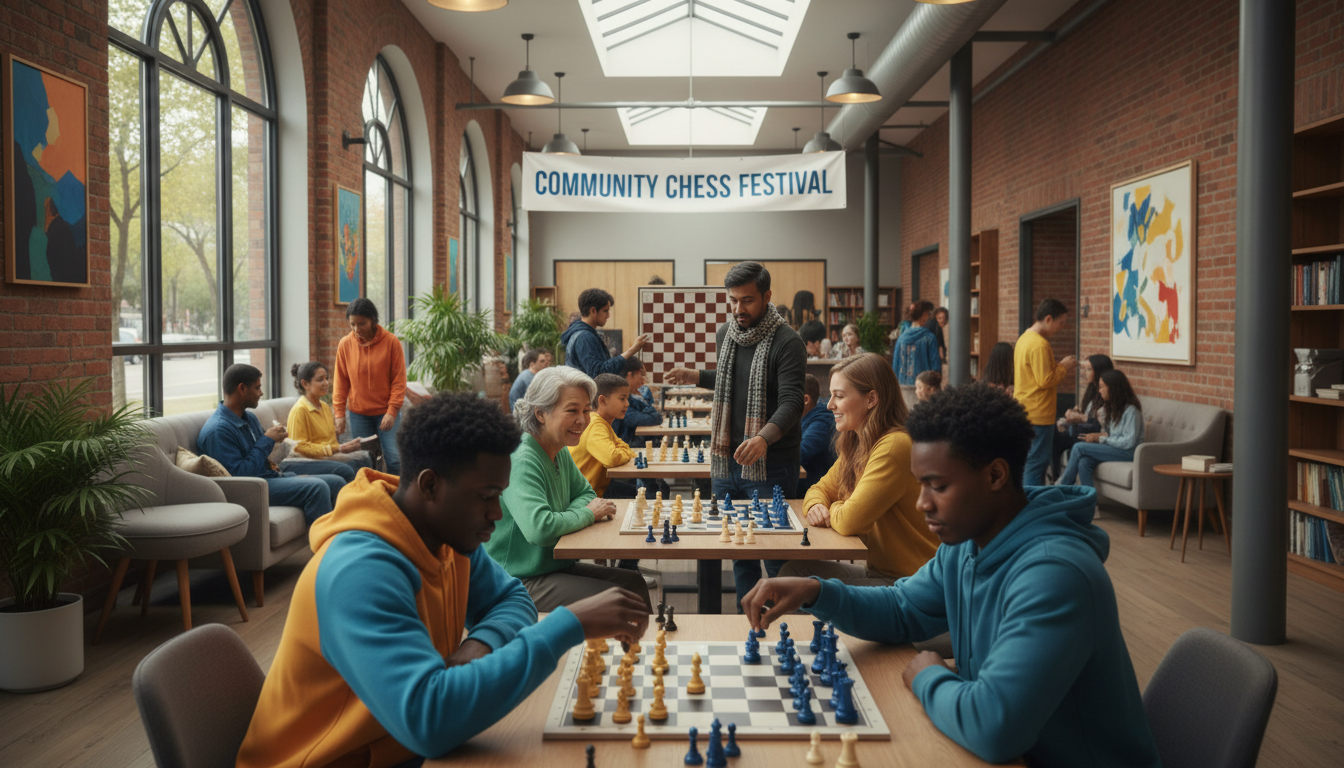
Focusing on a growth mindset and process-oriented goals is the best way to teach how to help child handle losing at chess effectively. By reviewing games to find learning opportunities and managing frustration through emotional resilience, children learn to view defeat as a stepping stone toward improvement instead of a reason to quit.
Watching your child storm away from the board or dissolve into tears after a difficult chess match is a uniquely challenging experience for any parent. In a game defined by pure logic and individual agency, a loss can feel less like a tactical error and more like a personal failure; this mindset often leads promising young players to abandon the game entirely before they have truly begun. Understanding the psychological weight of the checkmate is the first step in building the resilience required for long term mastery. In this guide, we will explore the underlying reasons why children quit, how to navigate the intense emotions associated with neurodiversity in competitive play, and practical communication strategies that shift the focus from the result to the process. You will learn how to transform a painful defeat into a constructive lesson that keeps your child engaged and confident at the board.
The Real Reason Children Quit Chess
Watching a child crumble after a difficult game is one of the most challenging experiences for a parent. You see the hours of practice, the flashes of brilliance, and the genuine passion they have for the game, yet a single blunder can lead to a declaration that they want to quit forever. While this reaction feels like a sudden outburst, it is often the result of a specific psychological shift that occurs as children mature.
Research indicates that a significant number of young players drop out of competitive play around age 11 or 12. This is the developmental point where, in the child's mind, losing stopped being okay. At this age, the game often shifts from a playful activity to a perceived measurement of their internal worth or intelligence. However, the defeat itself is rarely the primary motivator for walking away. Instead, the real culprit is the profound isolation of a chess loss.
In team sports, a player can find refuge in the collective effort; they win and lose as a group. In chess, the responsibility for every move rests solely on the child. This creates a unique brand of loneliness that generic advice on resilience often fails to address. When a young player loses in a vacuum without a structured way to process the result, they feel a sense of helplessness. Understanding how to help child handle losing at chess requires moving beyond simple encouragement. It involves replacing that post-game isolation with a learning framework. By participating in junior chess tournaments within a supportive club environment, the defeat ceases to be a lonely event and instead becomes a shared step in their development through expert chess coaching.
Why Losing Without Learning is the Greatest Obstacle for Young Players
The sense of isolation mentioned previously is often compounded by a lack of clarity. Susan Polgar, a pioneer in chess education, has highlighted that the most damaging form of defeat is losing without learning. When a child knocks over their king but cannot identify the specific tactical error that led to the loss, the game begins to feel like a series of unfair, random events. This lack of agency is a primary driver for children choosing to walk away. If they do not understand why they lost, they cannot see a path to winning, and the game ceases to be a puzzle to solve; it becomes a source of frustration to avoid.
This issue becomes particularly acute during the transition from casual play to competitive environments. When playing at home in Kingston upon Thames, a loss is often softened by the familiarity of family. However, in junior chess tournaments, the emotional stakes rise because the child perceives the board as a public measure of their capability. Without a framework to dissect what happened, the defeat feels like a permanent failure rather than a temporary setback. The child needs to understand that the result was the consequence of a specific sequence of moves, not a reflection of their character or intelligence.
At Kingston Junior Chess, we bridge this gap by prioritizing game analysis as a core component of our sessions. By reviewing the notation and identifying the critical moment where the game shifted, we transform a confusing defeat into a concrete lesson. This shift from "I am bad at chess" to "I missed a fork on move 15" is vital for how to help child handle losing at chess. Through expert chess coaching, we provide children with the tools to regain control, ensuring they leave the club not with a sense of helplessness, but with a clear plan for their next game.
What to Say to a Child Who Lost a Chess Game and is Angry
When a child resigns or loses their queen, the emotional surge is immediate. For a five year old, this often manifests as tears; for an older child, it might look like a slammed clock or a stony refusal to speak. The first step in navigating this volatile moment is understanding that their reaction is a sign of their commitment to the game, even if it is currently expressed in a disruptive way.
The 10 Minute Rule
At Kingston Junior Chess, we strongly advise parents to observe the 10 Minute Rule. Immediately after a game, a child’s brain is often in a state of high physiological arousal. Their fight-or-flight response is active, making them incapable of logical reflection or tactical analysis. Trying to teach a lesson or point out a blunder during this window is almost always counterproductive. Instead, provide a quiet space and a drink of water. Let the emotional wave crest and recede before attempting any dialogue. This buffer allows the child to transition from the intensity of the board back to the safety of the real world.
Shifting from Outcome to Process
Once the child is calm, the language you use will determine whether they view the game as a failure or a learning opportunity. Avoid asking, "Did you win?" as your first question. This reinforces the idea that the score is the only metric of success. Instead, use specific, actionable scripts to reframe the experience:
"What was the most interesting move you found today?"
"Did your opponent do anything that surprised you?"
"I noticed how long you thought about that move in the middle game. What were you calculating?"
For a younger child who is crying, validation is the priority. You might say, "I can see you are disappointed because you worked so hard on that game. It shows how much you care about playing well." For an older, angry child, depersonalize the loss by treating the game as a shared puzzle. Suggesting, "Let’s see if we can find that moment where the position changed," helps them move toward expert chess coaching rather than internalizing the defeat.
How to Help a Child Handle Losing at Chess: Practical Strategies for Parents
Helping a child move past a difficult result requires a shift from emotional damage control to practical skill building. By implementing structured routines, parents can provide a roadmap that transforms a defeat into a manageable event rather than an overwhelming crisis.
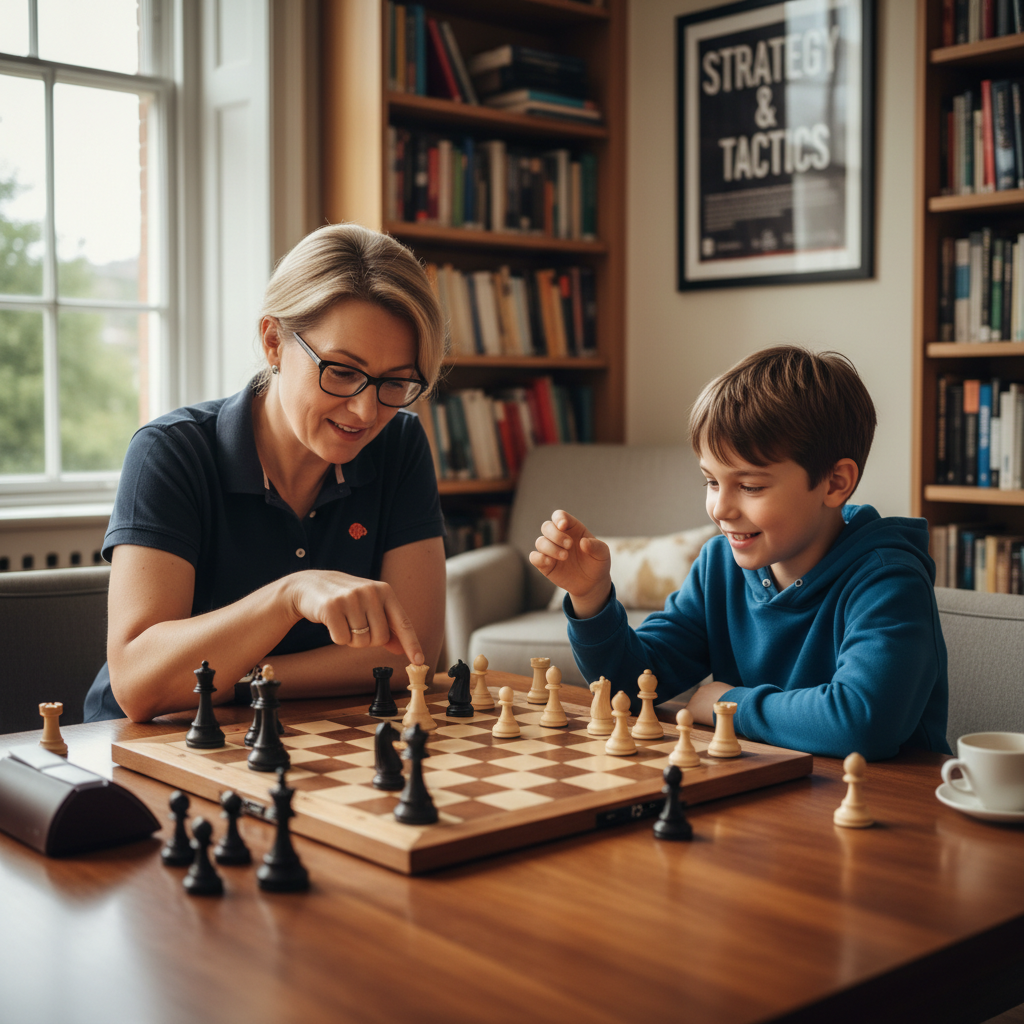
Utilize Game Analysis as a Collaborative Tool. Research from major platforms like Chess.com indicates that players who regularly review their games improve significantly faster than those who simply move on to the next match. When you sit down to look at a game, frame it as a session with a coach rather than a critique from a parent. This removes the social pressure of failure. By looking at the moves together, the focus shifts to the logic of the position. This objective approach is a cornerstone of how to help child handle losing at chess, as it replaces the mystery of defeat with clear, actionable insights.
Reframe the Board as a Mirror of Choices. It is essential to help children distinguish between their performance and their character. In chess, every result is the cumulative consequence of specific choices made in a sequence. If a child loses a game because they moved too quickly in the opening, that is a decision that can be adjusted next time; it is not a reflection of their intelligence or worth. By focusing on the board as a map of decisions, you empower the child to take responsibility without feeling shame. This sense of agency is what we cultivate through expert chess coaching at our club.
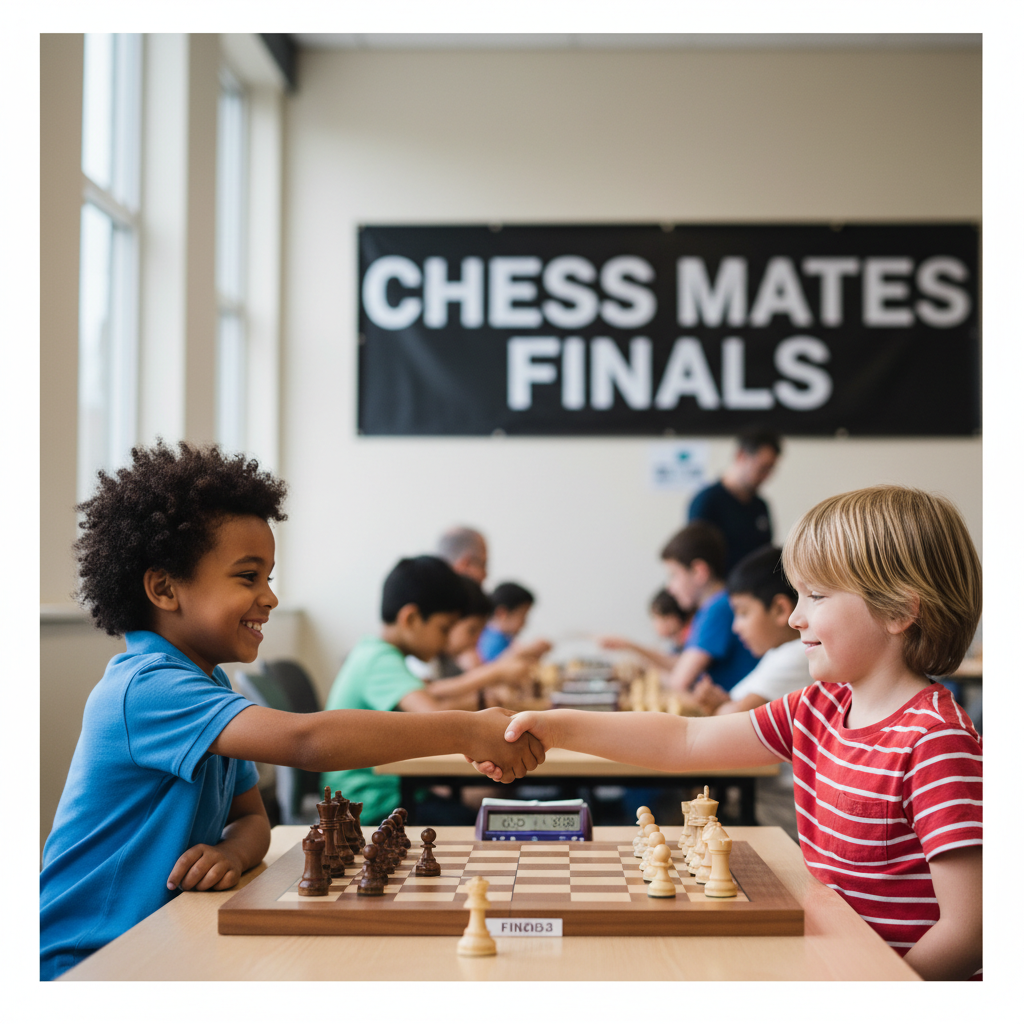
Prioritize Formal Sportsmanship. The physical rituals of chess serve a psychological purpose. Insisting on a pre-game and post-game handshake, along with a sincere "good game," helps compartmentalize the competitive intensity. It reminds the child that the person across from them is a peer, not an enemy. At Kingston Junior Chess, we foster an environment of peer-to-peer respect where children are encouraged to discuss their games with their opponents immediately after the round. This social interaction within our junior chess tournaments helps demystify the opponent and reduces the sting of the loss. When children see their friends handling their own defeats with grace, they are much more likely to model that behavior themselves.
Handling Intense Emotions: ADHD and Neurodiversity in Chess
For children with ADHD or neurodivergent profiles, the emotional weight of a chess game is significantly magnified. The sustained concentration required can lead to cognitive fatigue, where the brain's executive functions, specifically emotional regulation, become depleted. When a 10 year old can't handle losing, it is frequently a physiological response to this exhaustion rather than a simple lack of discipline. For these players, a tactical error triggers an intense internal reaction often linked to Rejection Sensitive Dysphoria, making the loss feel like a total failure of self.
Recognizing when a child's chess brain is overloaded is essential for long term participation. Signs often include a sudden shift to impulsive, rapid fire moves or increased physical restlessness at the board. When these symptoms appear, the risk of an emotional outburst following a loss increases because the child has already spent their mental energy on the match itself. A supportive club environment provides a vital safety net for these big emotions. At Kingston Junior Chess, we understand that neurodivergent children process competition differently. We offer a structured setting where players can decompress and move through their frustration without shame. Through expert chess coaching, we help students identify these internal triggers, ensuring that chess remains a tool for empowerment rather than a source of distress. If you have questions about how our environment supports specific needs, you can contact Kingston Junior Chess to discuss your child's journey.
How the Kingston Junior Chess Community Changes the Experience of Loss
Playing chess online can often feel like an isolating pursuit. When a child loses a game in their bedroom, the experience is silent and internal. There is no handshake, no verbal exchange, and often no constructive feedback; there is just a stark notification on a screen. This digital isolation is where frustration often festers into a reason to quit.
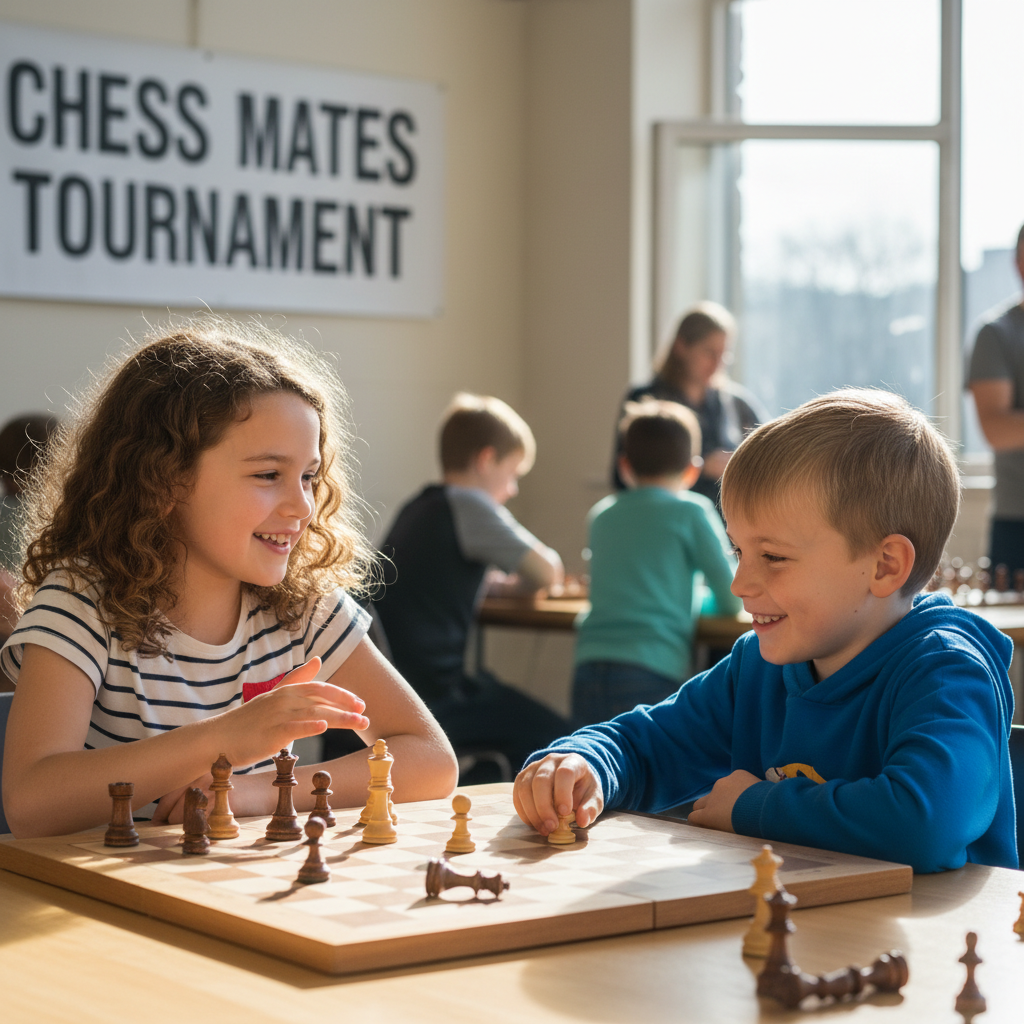
At Kingston Junior Chess, we fundamentally change the environment surrounding defeat. Our weekly sessions and junior chess tournaments provide a social safety net that transforms a loss into a shared learning moment. When a child looks around our room in Kingston upon Thames and sees their peers also losing games, the stigma of failure begins to vanish. They realize that losing is not a personal deficiency but a universal part of the journey toward mastery.
The presence of expert chess coaching during these moments is critical. Instead of walking away from the board alone, students move to an analysis area to break down the game with an instructor. Watching a coach treat a loss with curiosity rather than criticism teaches children how to help child handle losing at chess by modeling the correct cognitive response. This community aspect ensures that every game, regardless of the result, ends with a conversation and a practical plan for improvement. If you want to see how this supportive environment can benefit your young player, you can contact Kingston Junior Chess to learn more about our upcoming sessions.
Teaching a child to view a lost game as a lesson rather than a failure is the best way to ensure they keep playing for years to come. Resilience is a skill that takes time to develop, and it starts with a positive mindset at the board. If you want expert help nurturing your child’s talent and confidence, our professional Coaching services offer a supportive environment where they can grow. We can help them refine their strategy while building the mental strength needed for success.