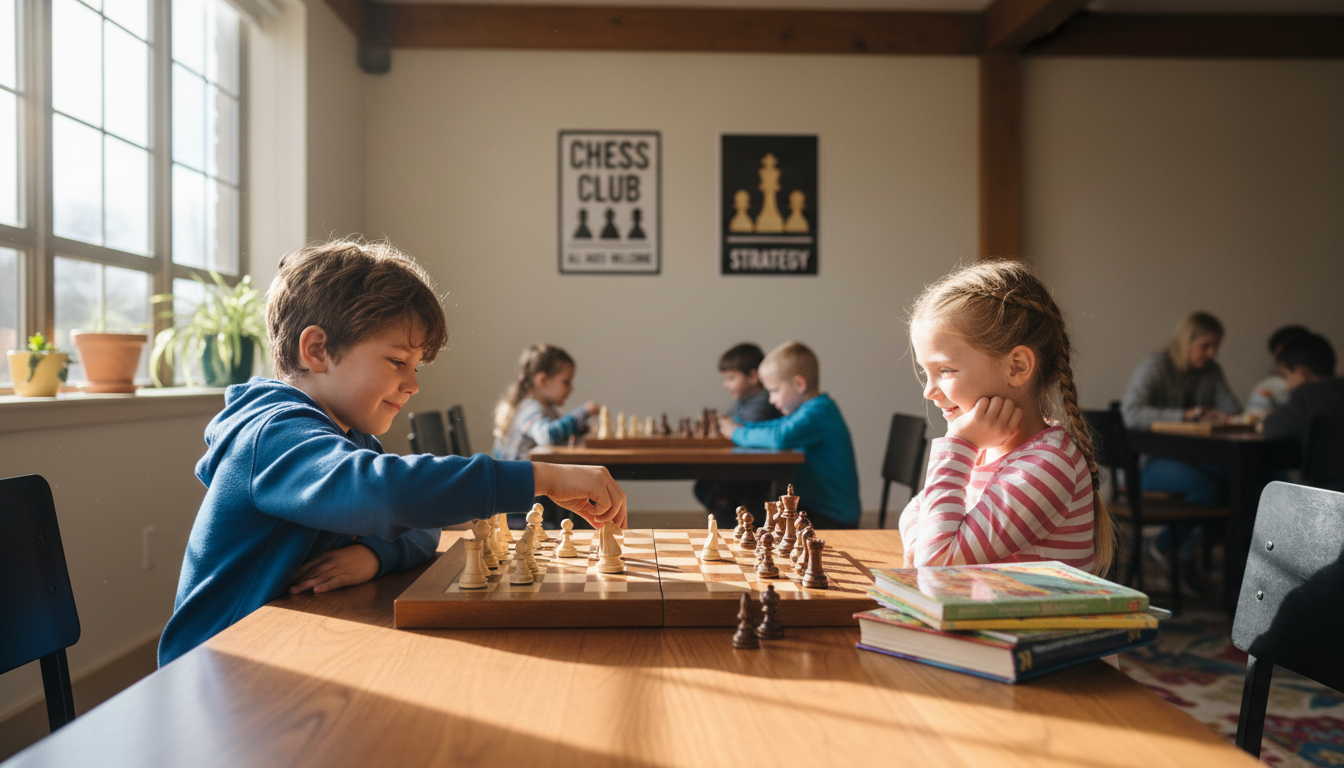
Chess builds confidence in children by empowering them to make independent decisions and navigate the consequences of their own strategies. As students learn to analyze mistakes and overcome challenges on the board, they develop the resilience and self assurance necessary to tackle real world problems with poise.
Many parents notice their children hesitating when faced with difficult decisions, often fearing the sting of a wrong choice in an increasingly competitive world. This lack of self-assurance can hinder academic progress and social development, leaving them ill-equipped for life's inevitable setbacks. At Kingston Junior Chess, we view the chessboard as a vital training ground for character. When a child sits across the board, they are the sole architect of their strategy; this ownership transforms their mindset from hesitation to deliberate action. In this article, we will examine how the tactical demands of chess cultivate deep resilience and concentration. You will learn how navigating wins and losses fosters independence, improves social integration, and provides your child with the mental toolkit necessary to navigate the complexities of modern life with quiet, earned confidence.
The Psychological Impact of Chess on Developing Minds
Chess is frequently described as a game of strategy, but for a young, developing mind, it functions as a comprehensive mental gymnasium. For families here in Kingston upon Thames, finding activities that balance academic rigor with character building is a common priority. Many parents in our community are currently grappling with the impact of excessive screen time and the constant pull of short-form digital content, which can erode a child’s ability to maintain focus and think critically about long-term outcomes.
Chess serves as a vital counterbalance to these modern distractions. It offers a structured way to engage a child's brain, moving beyond mere memorization to foster genuine cognitive growth. Evidence shows that chess builds confidence in children by rewarding deliberate thought and patience over impulsive reactions. At Kingston Junior Chess, we provide a supportive environment where young players transition from reactive play to proactive planning.
Through our junior chess coaching, we help students navigate the complexities of the board, which often mirror the complexities of the classroom and social life. Parents in Kingston and the surrounding Surrey area are looking for extracurriculars that nurture both the mind and the social spirit. Our club creates a professional yet welcoming laboratory for this development, ensuring that the skills learned over the 64 squares translate into lasting academic and personal resilience.
How Chess Transforms Your Child's Confidence
For many parents in Kingston, time is a finite resource. If you are looking for a quick overview of how chess builds confidence in children, here is why our club members see such significant personal growth. Chess is more than a board game; it is a series of controlled challenges that prepare a child for real-world scenarios.
Critical Decision-Making: Every move requires a child to evaluate options and commit to a path, reinforcing their ability to trust their own logic without external prompting.
Emotional Regulation: By participating in chess tournaments for kids, players learn to process the immediate frustration of a loss and convert it into a constructive learning experience.
Sharpened Focus: The game demands a level of concentration that counteracts the constant pull of digital notifications, teaching students to ignore distractions for extended periods.
Inclusive Social Integration: The club provides a neutral ground where children from different schools and backgrounds connect over a shared interest, fostering social ease and lasting friendships.
Building Independence: Why Every Chess Move is a Confidence Boost
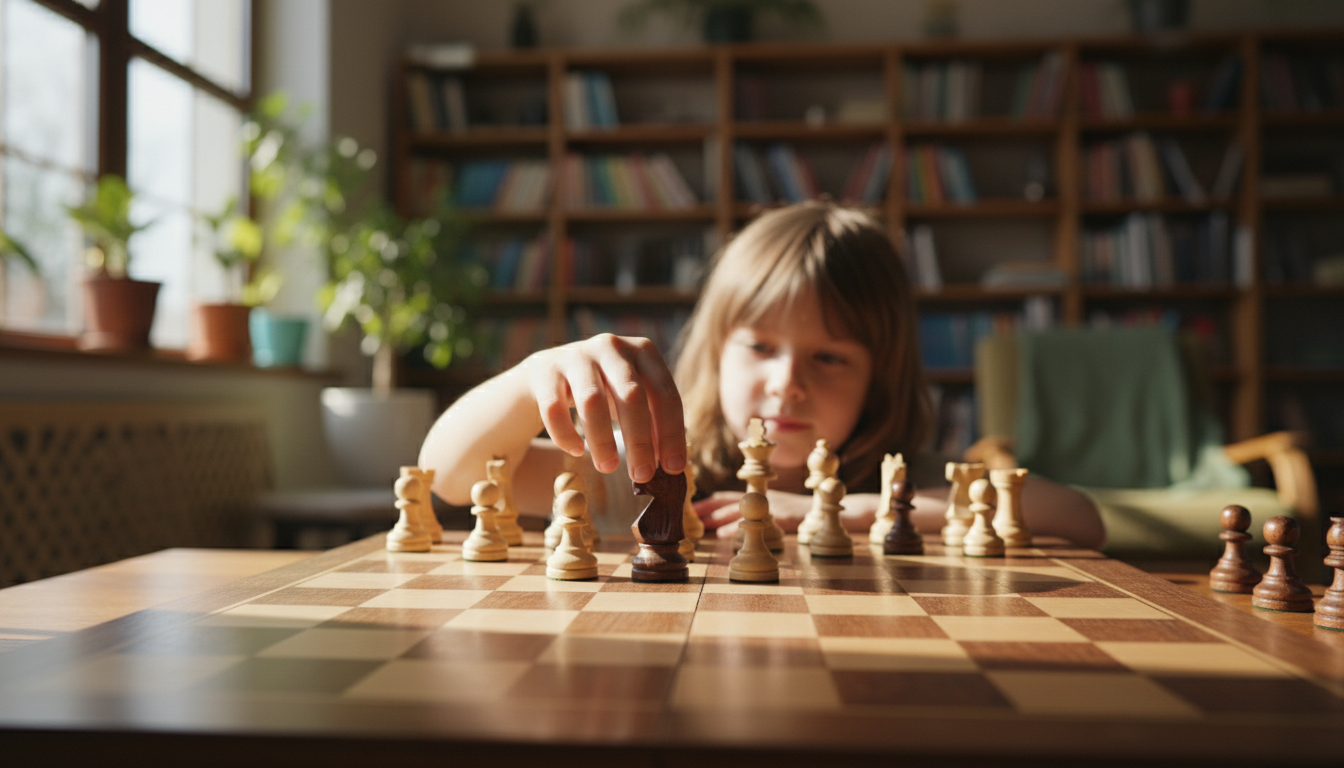
One of the most profound ways chess builds confidence in children is through the absolute autonomy it requires. In many youth activities, children are guided by a constant stream of adult input. On a football pitch or a netball court, coaches and parents often provide real-time instructions from the sidelines. However, once a player sits down at a chess board, they are entirely responsible for their own destiny. There is no one to whisper the right move or intervene when a challenge arises. This isolation is not intimidating; rather, it is empowering.
This environment creates a tight consequence-action loop. When a child decides to trade a bishop for a knight, they immediately witness the tactical result of that choice. They learn to navigate the tension between risk and reward, seeing firsthand how their own logic shapes the game. By repeatedly moving through this cycle, children stop fearing mistakes and start trusting their own cognitive processes. They begin to realize that they are capable of solving complex problems without needing constant external validation.
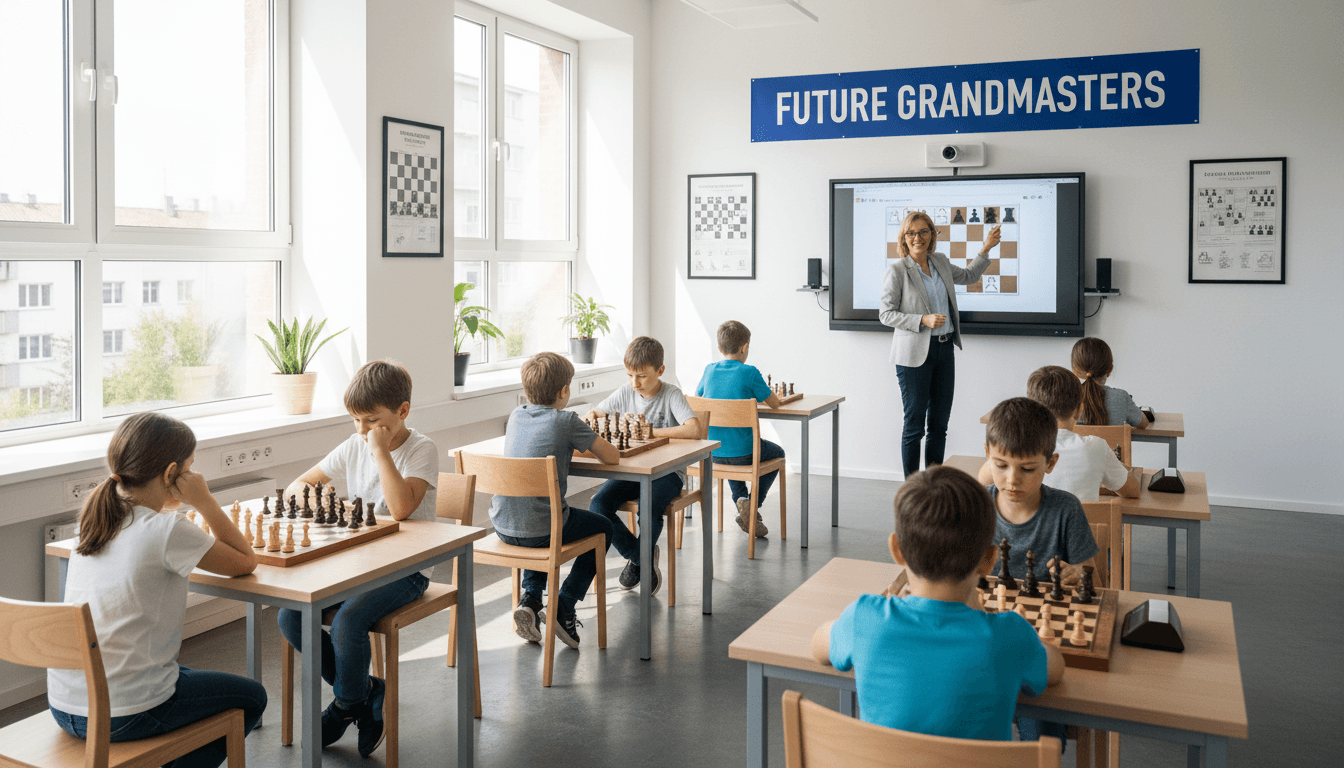
At Kingston Junior Chess, our junior chess coaching is designed to protect this sense of agency. We avoid the traditional model where students are merely told the best moves to memorize. Instead, our coaches use a Socratic approach, asking open-ended questions that require the student to justify their position. We might ask a student to explain the intent behind a specific pawn advance or to evaluate the board from their opponent’s perspective.
This method ensures that the child remains the primary architect of their strategy. By articulating their reasoning, they solidify their understanding and gain the courage to execute their plans during chess tournaments for kids. This practice of independent thought is exactly how chess builds confidence in children, preparing them to make firm decisions in the real world with conviction and clarity. When a child realizes they can navigate a complex middle-game alone, they carry that same self-reliance into the classroom and beyond.
The Power of Resilience: Learning to Bounce Back from a Lost Game
While the independence of the game is empowering, it also means that when a game is lost, the player must own the outcome. In many youth activities, children can deflect a loss onto teammate errors or poor officiating, but the chess board offers no such excuses. This is why we view the game as the ultimate tool for teaching resilience. At Kingston Junior Chess, we teach our members that a loss is not a failure of character; it is a vital data point. By reviewing a lost game during our junior chess coaching sessions, a child transforms a moment of frustration into a constructive blueprint for future improvement.
Our club serves as a safe laboratory for making mistakes. We encourage players to experiment with new openings and tactical sacrifices, knowing that the cost of failure is simply an opportunity to learn. This focus on the process rather than just the result is another way chess builds confidence in children; they realize that a single defeat does not define their intelligence or potential. Instead of retreating from a challenge, they learn to approach the next game with a refined strategy and a clear mind.
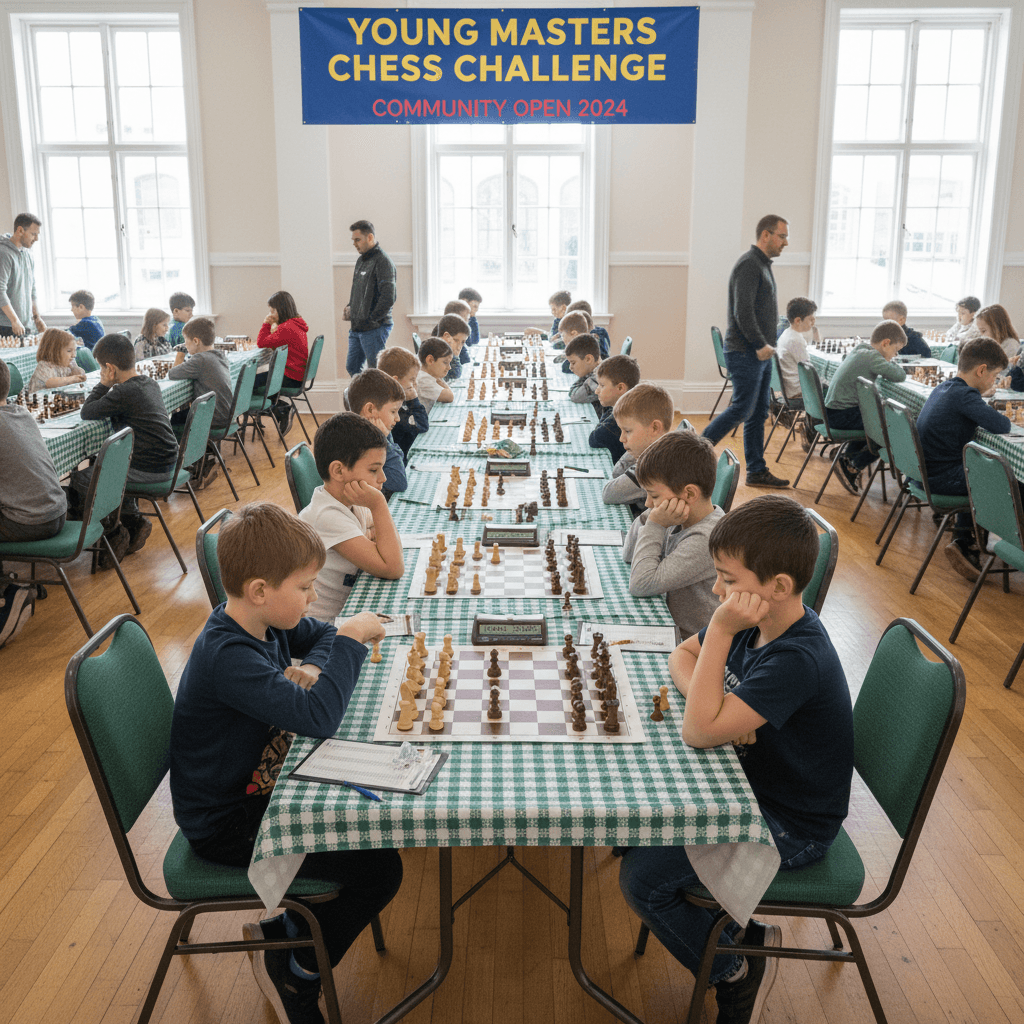
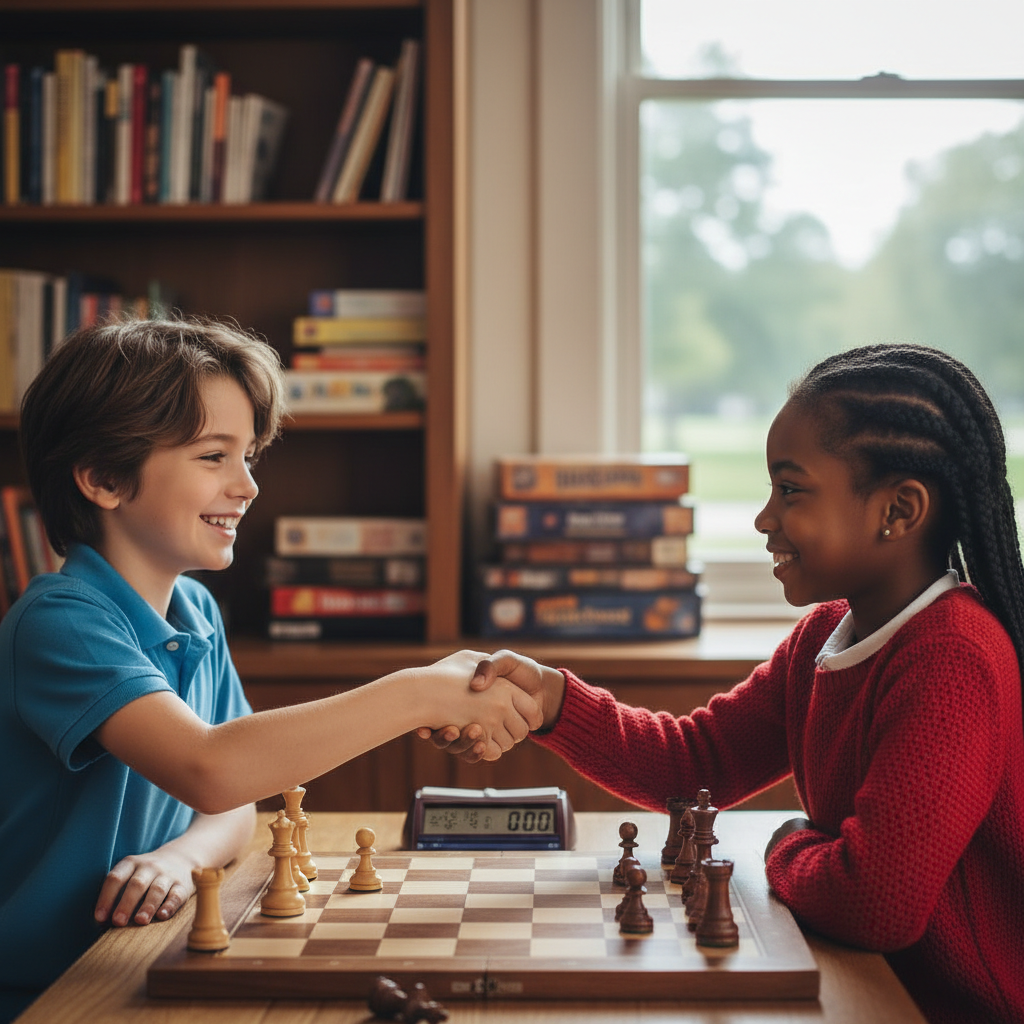
Sportsmanship is the foundation of this resilient mindset. The post-game handshake is a non-negotiable part of our culture, serving as a ritual that separates the heat of competition from the respect due to a peer. When children participate in our chess tournaments for kids, they learn to look an opponent in the eye after a tough loss and say, "Good game." This practice builds an emotional maturity that is rare in modern settings. These lessons in grace and perseverance translate directly to the real world, helping Kingston students navigate academic setbacks or social challenges with a sense of perspective. When you join Kingston Junior Chess, your child enters a community that values the lesson learned from a loss as much as the glory of a checkmate.
Improving Concentration and Patience in a Digital Age
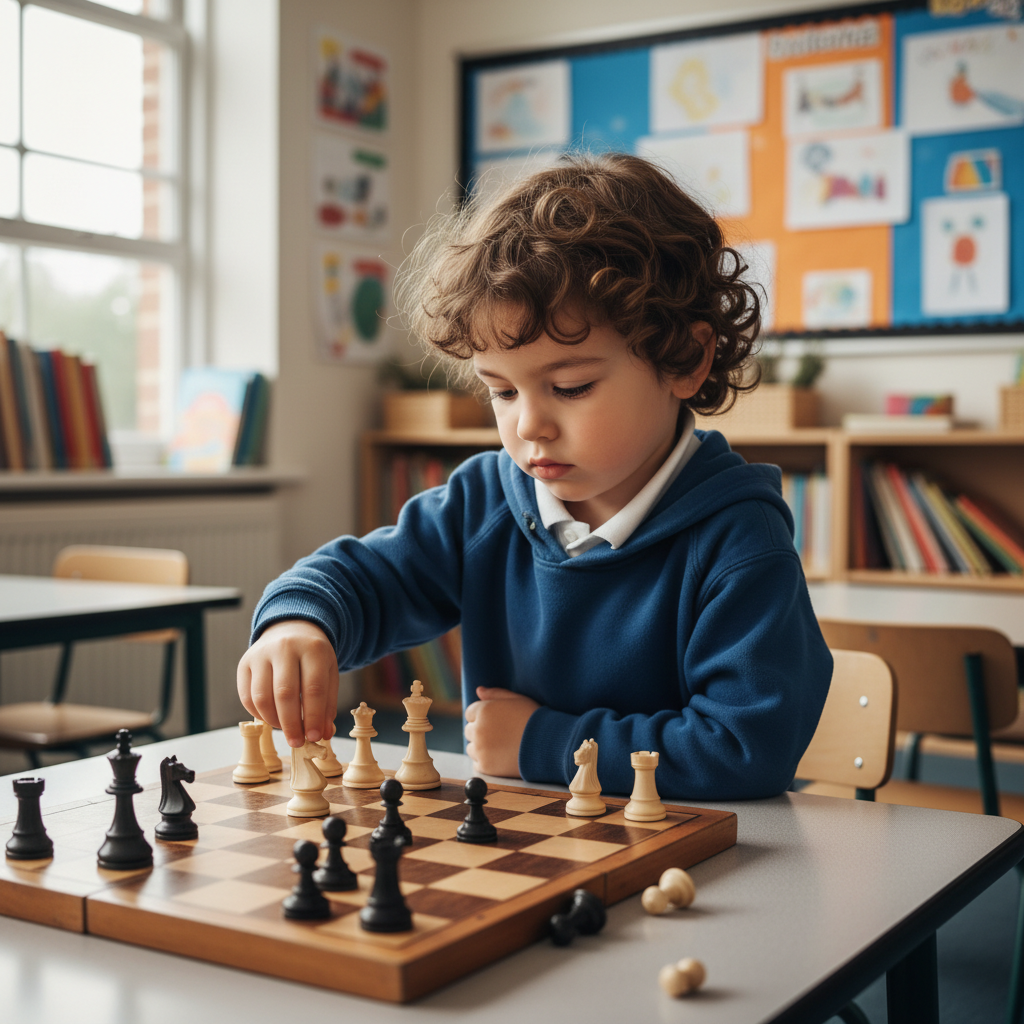
Digital saturation is a reality for every child in Kingston. Between tablets and smartphones, the modern attention economy favors rapid fire content that provides instant dopamine hits but leaves little room for sustained focus. Chess operates on a fundamentally different timeline. It requires what psychologists often call deep work, a state of intense concentration where a child must filter out all external noise to evaluate a single position. Unlike the passive consumption of a screen, chess demands active, prolonged engagement.
During our junior chess coaching sessions, we teach players to look beyond the immediate board. Calculating three or four moves ahead is not just a tactical exercise; it is a discipline that trains the brain to resist the urge for instant gratification. This ability to sit still and mentally simulate various outcomes is an increasingly rare skill. Through this practice, chess builds confidence in children by proving they can master complex, multi-layered tasks through sheer persistence and sustained mental effort.
This heightened level of concentration has immediate, tangible benefits in the classroom. Many of our members attend competitive schools throughout the Kingston and Surrey area, where exam preparation for the 11 plus or GCSEs demands the same endurance thinking required at the board. A child who has spent an hour in one of our chess tournaments for kids navigating a tight endgame is far better equipped to handle the pressure of a timed mathematics paper or a complex reading comprehension task. When you join Kingston Junior Chess, you are providing your child with a cognitive foundation that supports both academic success and the patience required for lifelong learning.
Fostering Social Skills: Finding Community at Kingston Junior Chess
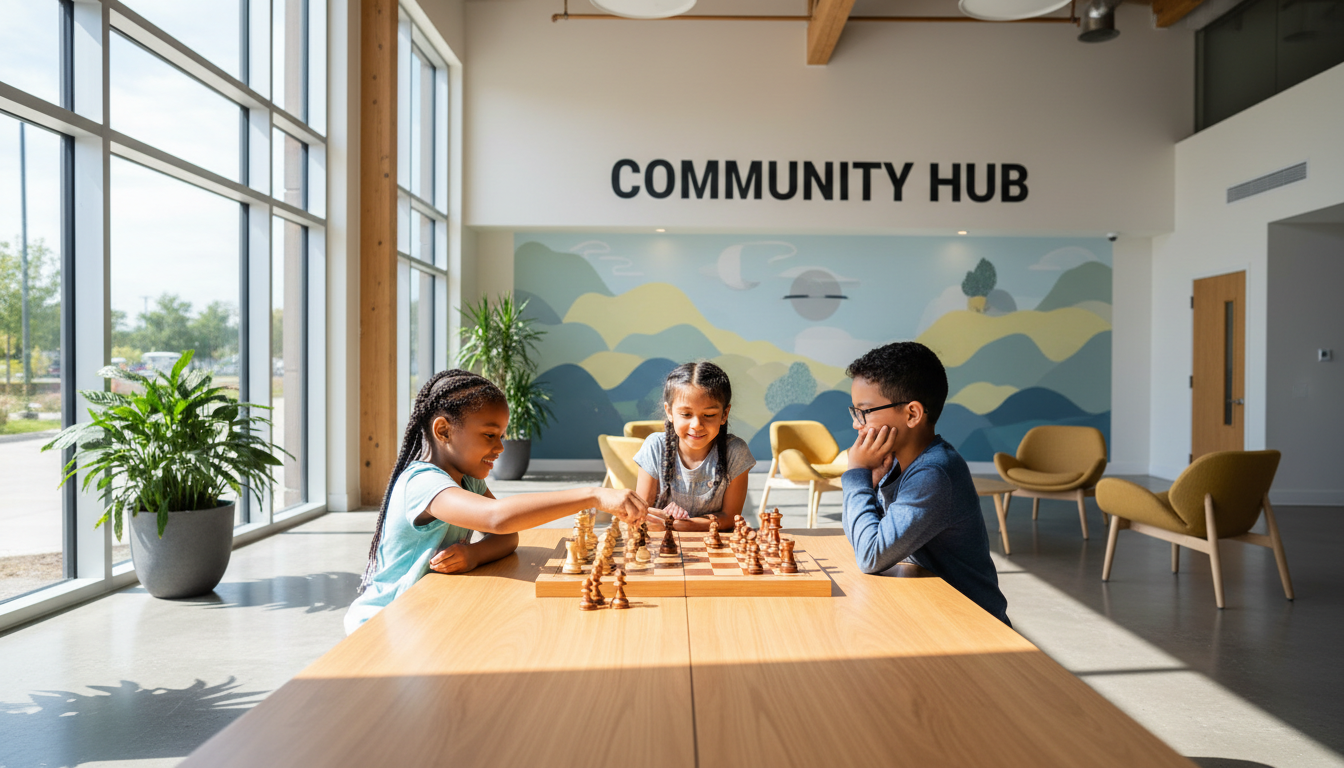
While the intense concentration required at the board is a solitary pursuit, the environment at Kingston Junior Chess is deeply communal. Our weekly meetings provide a structured social bridge for children who share a passion for strategy. In a world where school social hierarchies can be complex, the chessboard serves as a great equaliser. At our club, a seven year old beginner and an eleven year old enthusiast can sit across from each other, connected by the immediate tactical problems posed by the game.
This inclusive atmosphere is particularly beneficial for children who may feel overwhelmed by the high pressure or physical nature of traditional team sports. Chess offers a different kind of team spirit. Through our junior chess coaching, students learn to communicate their ideas and respect the perspectives of others. When children participate in our chess tournaments for kids, they are not just competing; they are joining a local network of thinkers and problem solvers.
By finding a tribe of like minded peers, children develop a sense of belonging that is often missing from digital interactions. We witness firsthand how chess builds confidence in children as they navigate these social exchanges, moving from shy observers to active participants in our community. If you are looking for a space where your child’s analytical mind is a social asset rather than a solitary one, we invite you to join Kingston Junior Chess and see these connections form in real time.
How to Get Your Child Started with Chess in Kingston
For parents in Kingston upon Thames, the journey into chess often begins with a simple curiosity about how the game might benefit their child's development. When selecting a local club, prioritize programs that offer a balanced split between formal junior chess coaching and supervised over-the-board play. It is essential to find an environment that emphasizes sportsmanship and etiquette; this foundation is where chess builds confidence in children through respectful, structured competition.
You do not need to invest in expensive digital clocks or weighted wooden sets to get started. Our club provides all the necessary equipment, making the game accessible to every family in the borough. We host regular chess tournaments for kids that cater to varying skill levels, ensuring that no child feels out of their depth as they transition from learning the pieces to playing full games. The best way to evaluate a club is to experience the atmosphere in person. We welcome you to join Kingston Junior Chess for a session to observe how our members engage with the board and each other in a supportive, focused setting.